AutoFocus
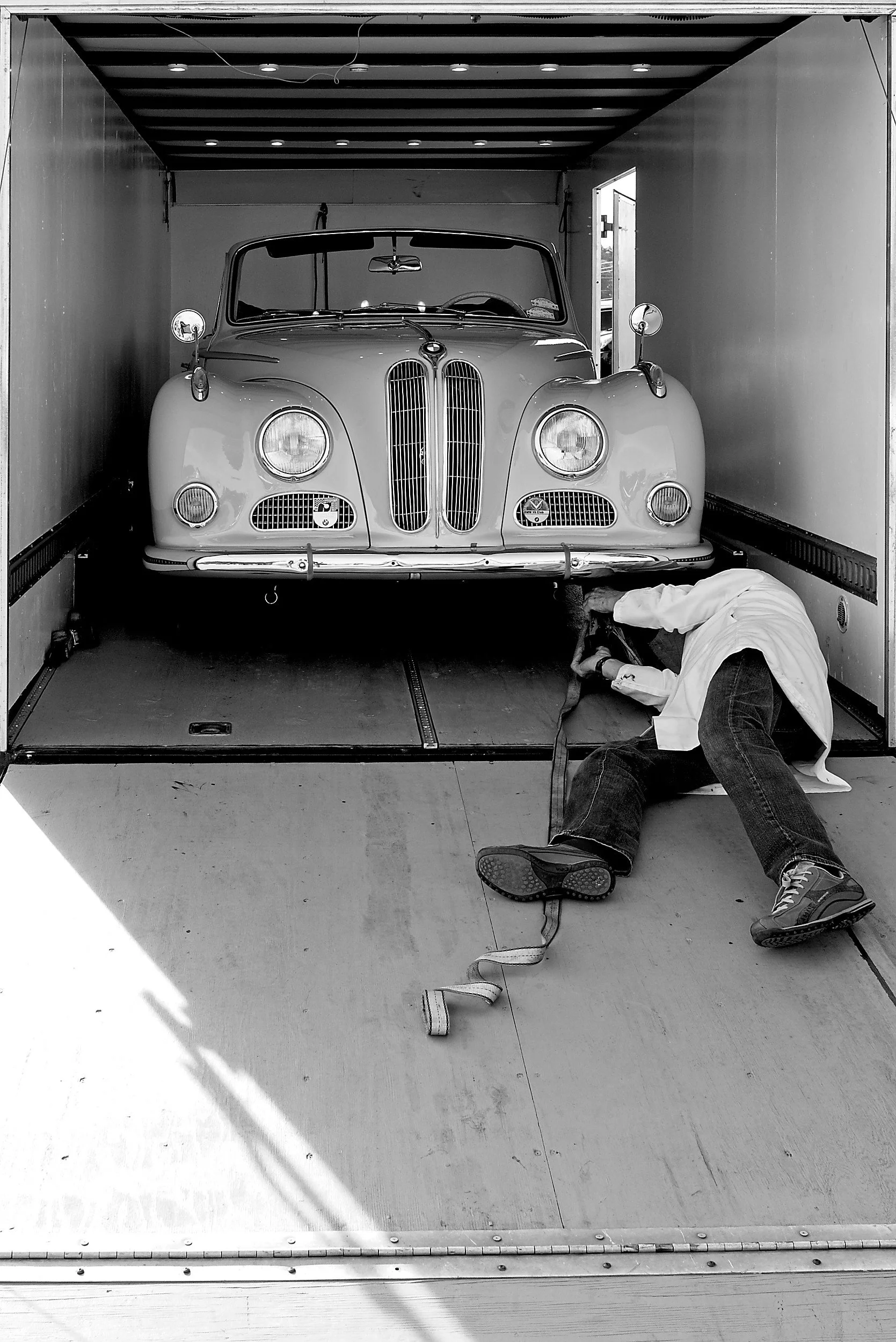
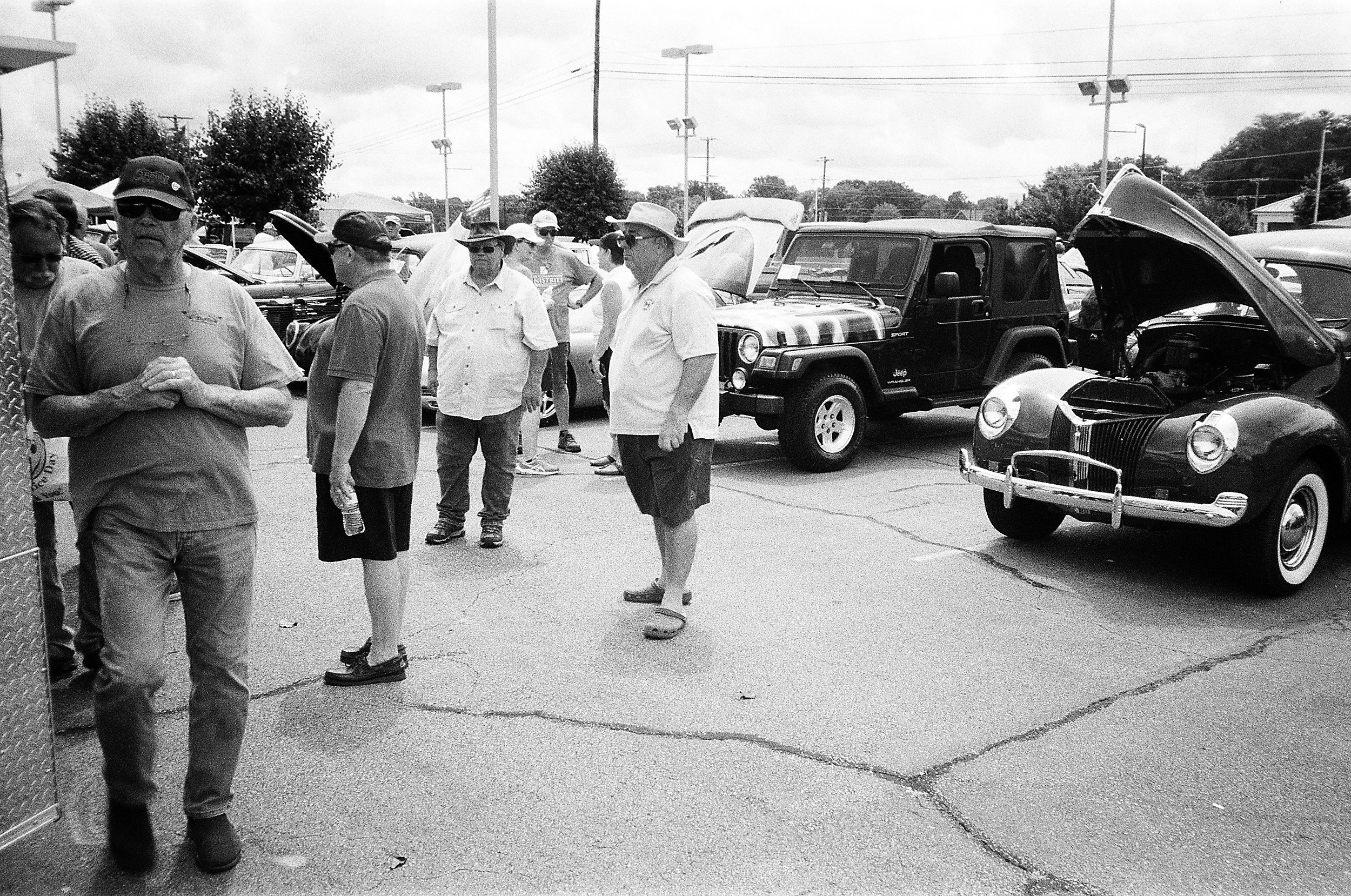
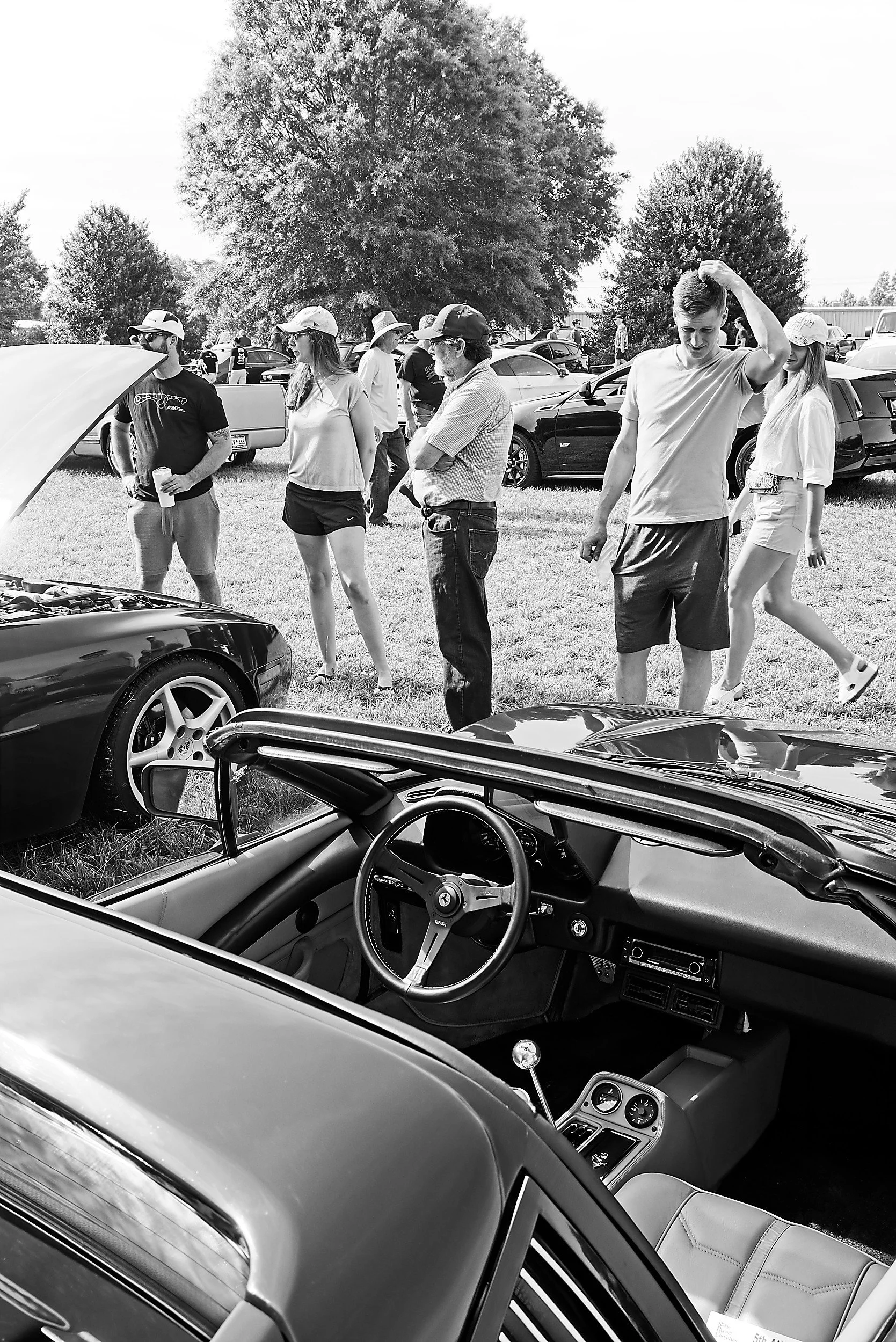
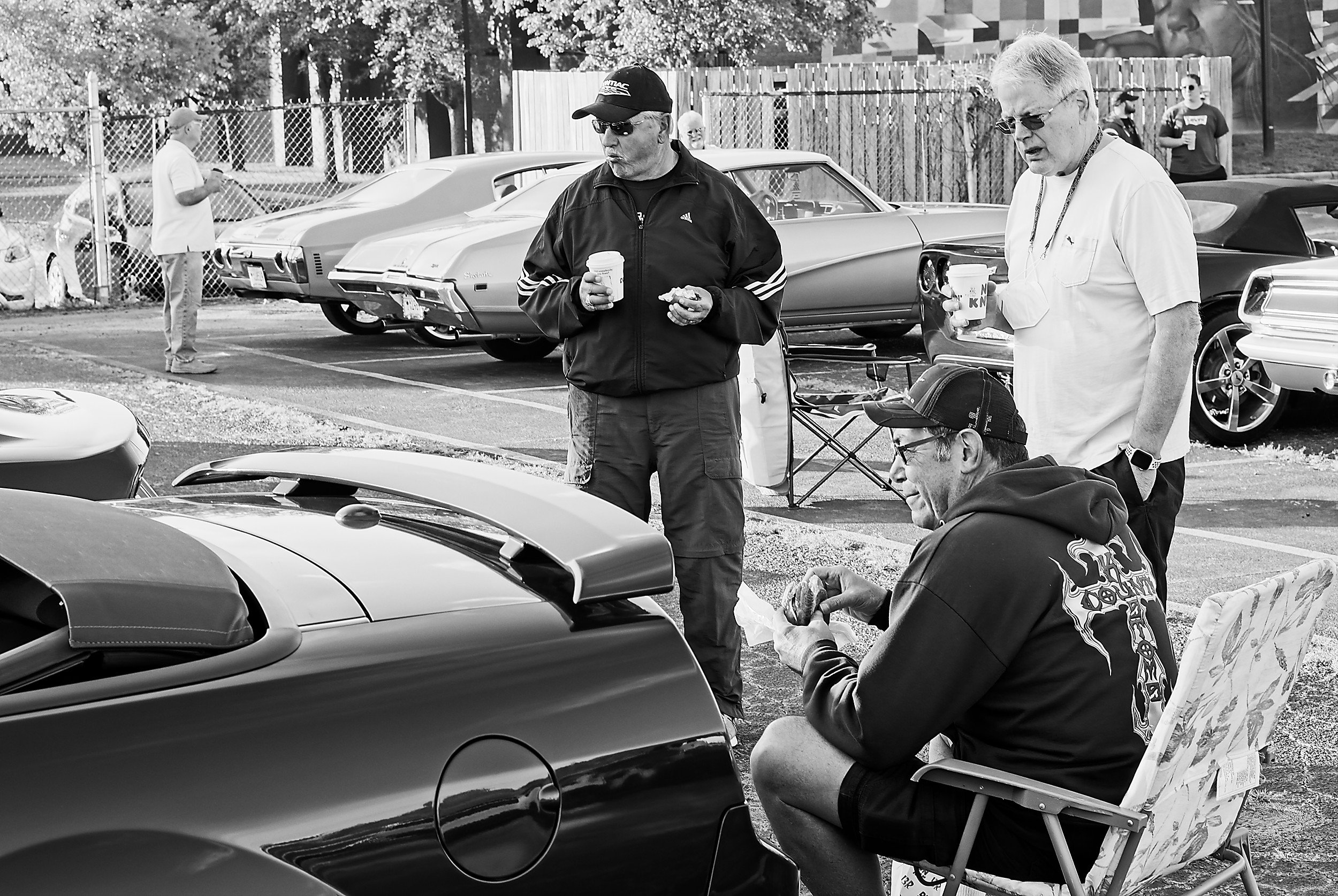
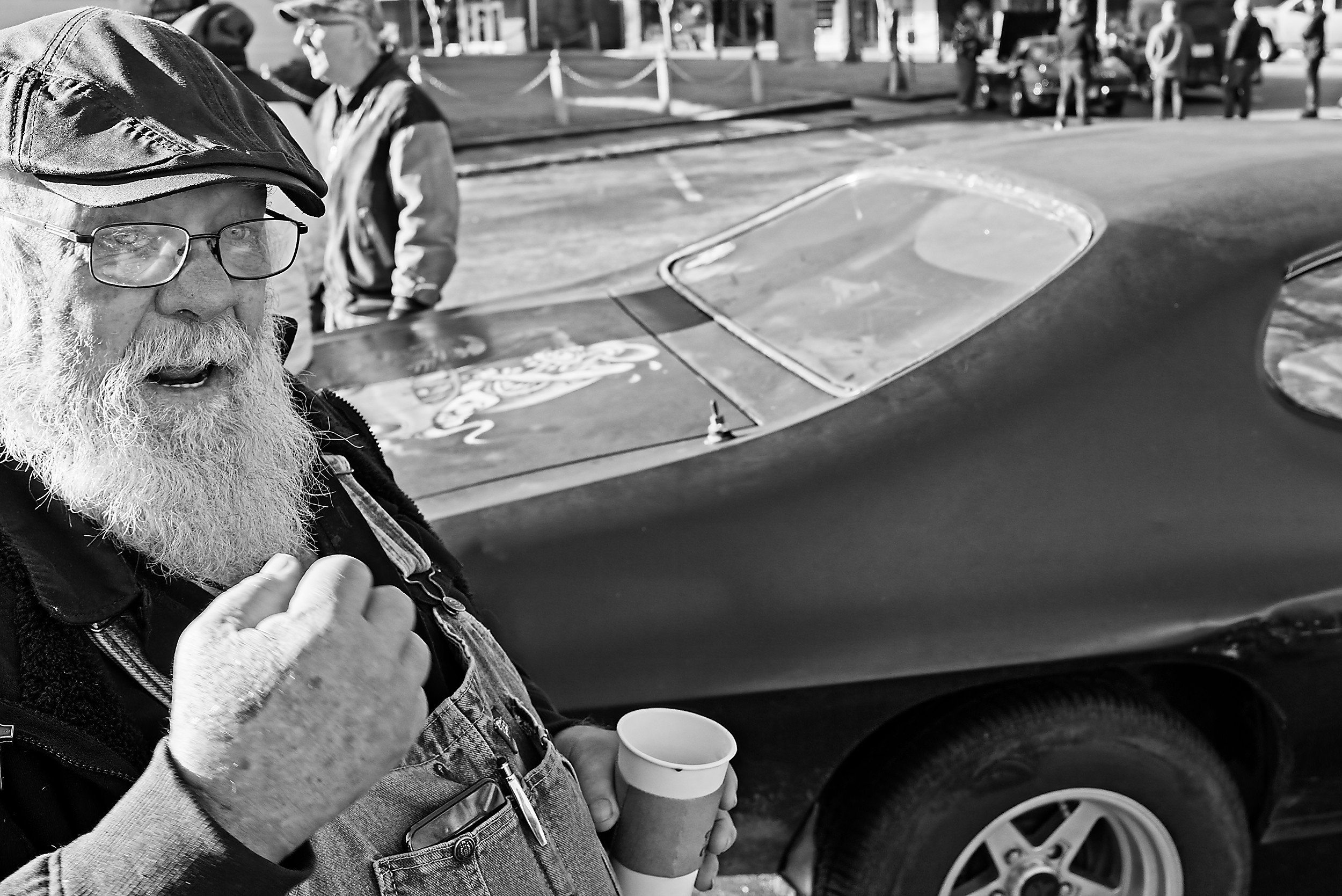
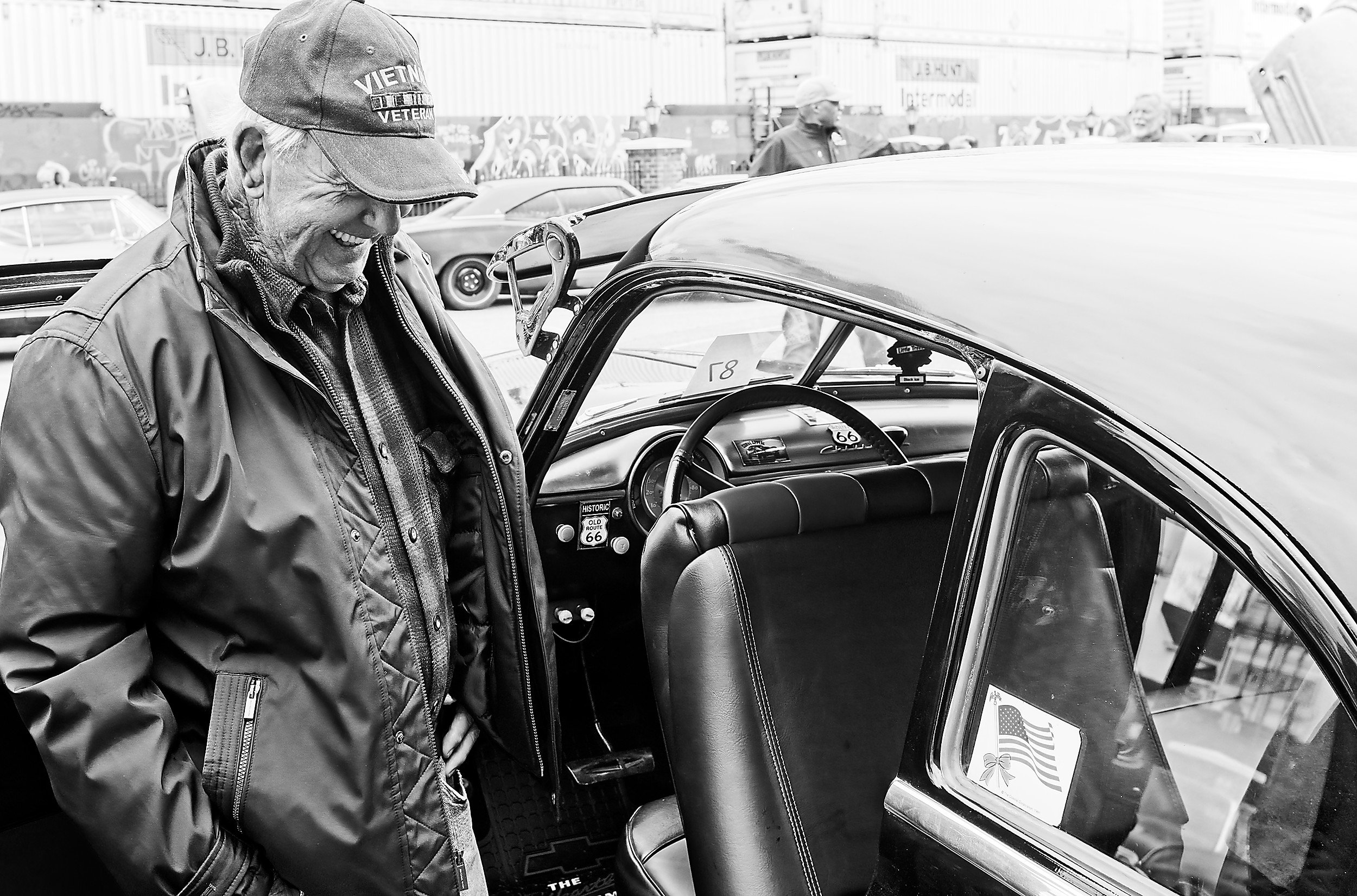
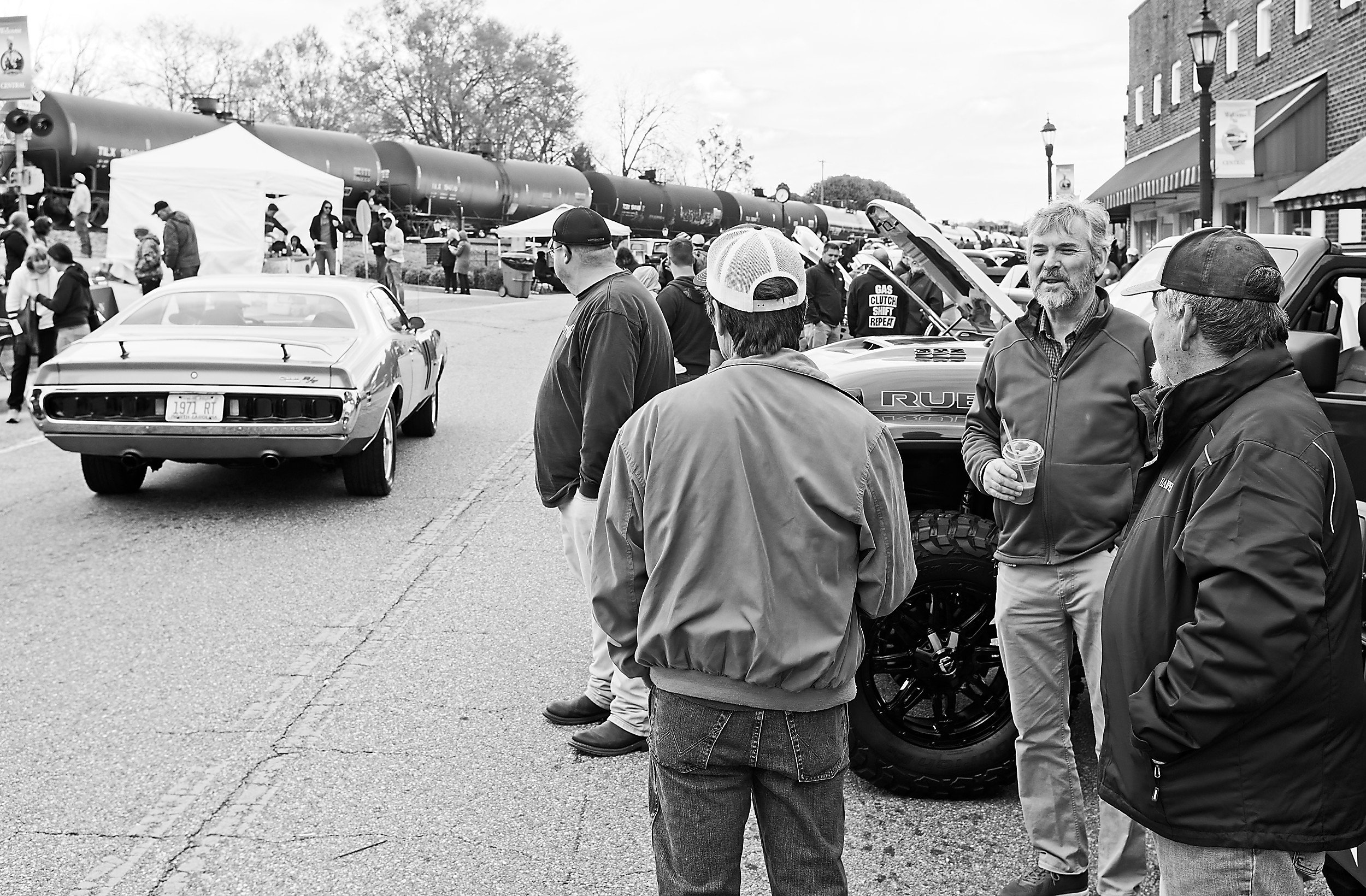
AutoFocus is a photo essay about people and the everyday search for dignity, connection, and belonging that happens in public places.
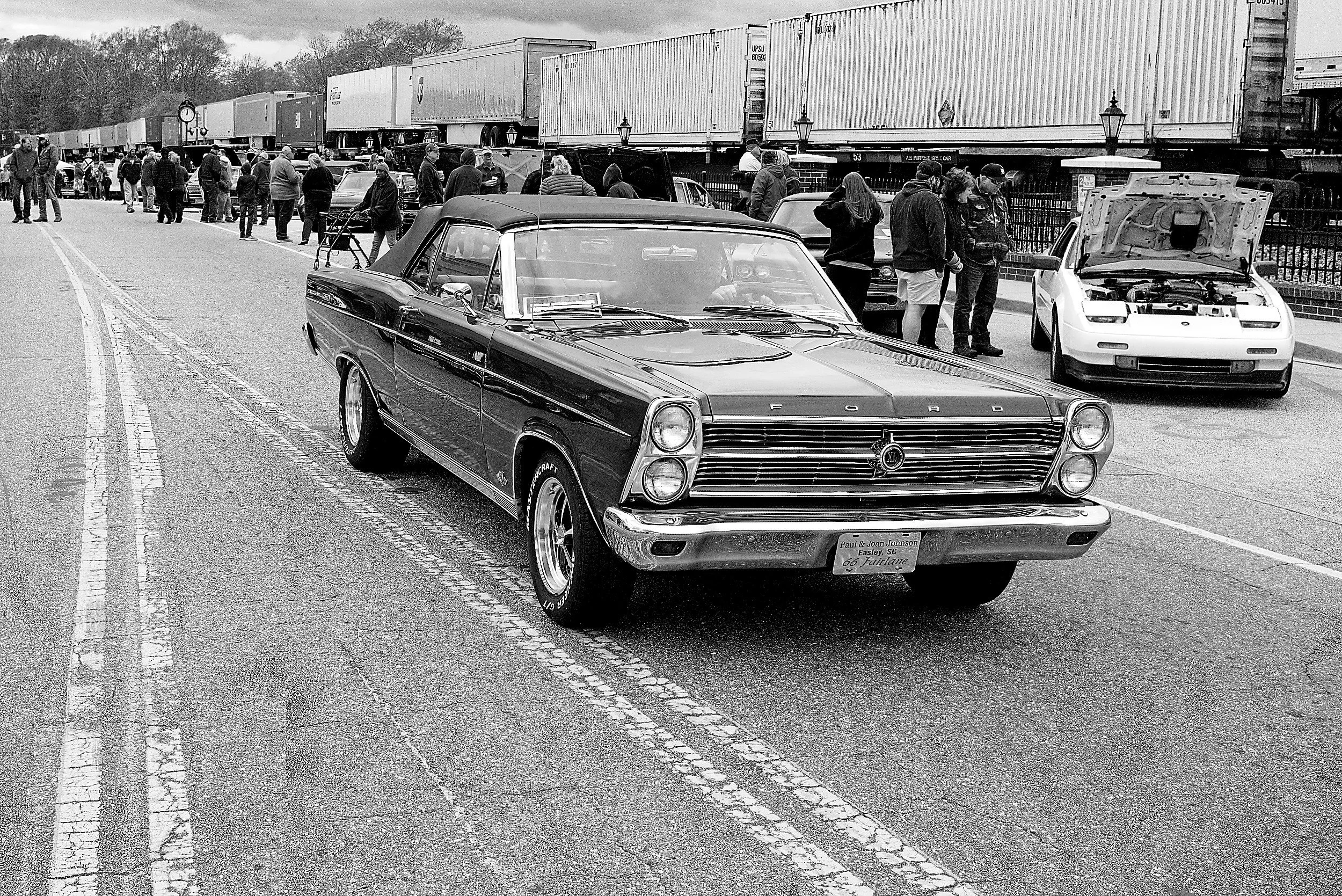
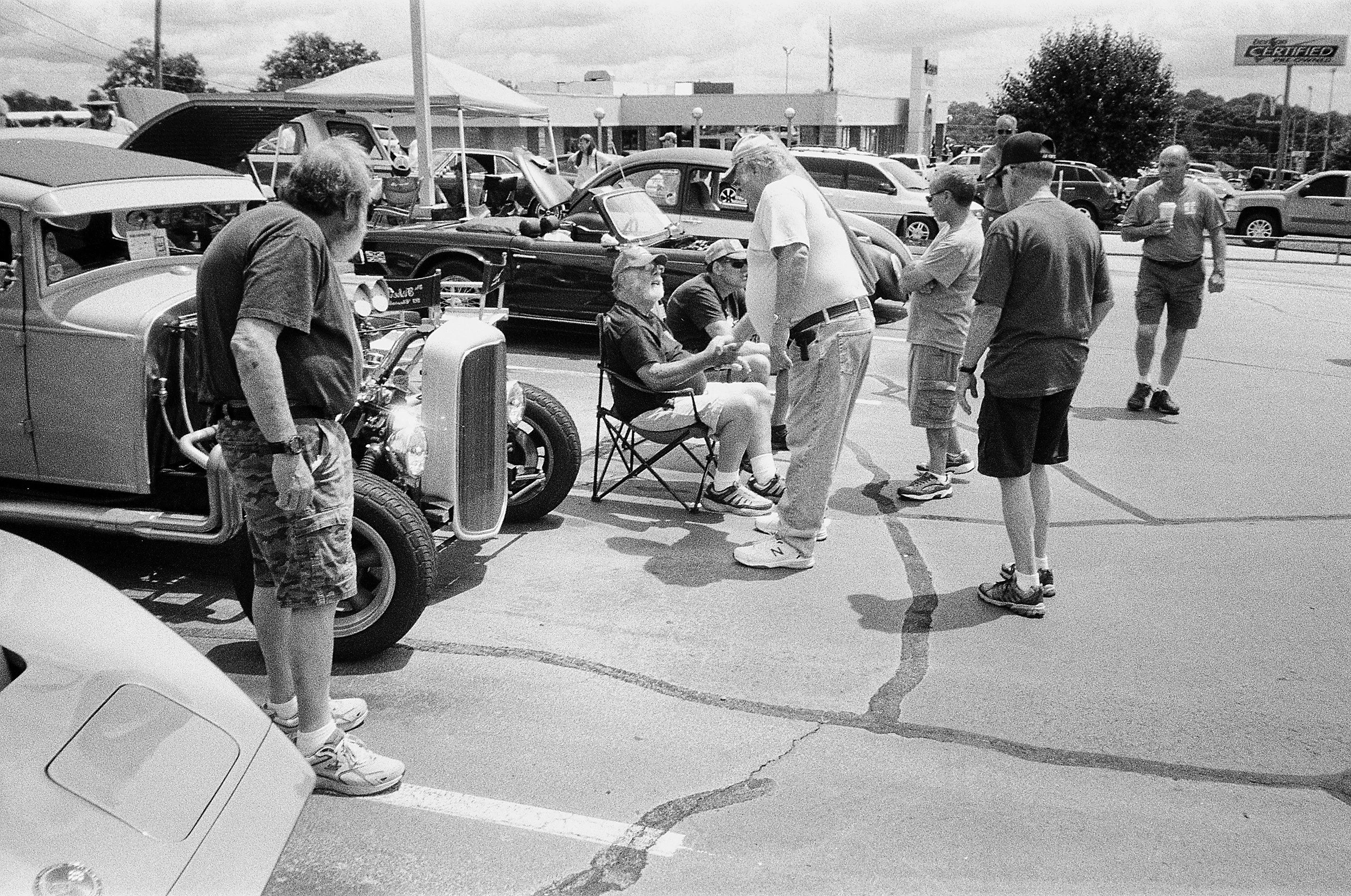
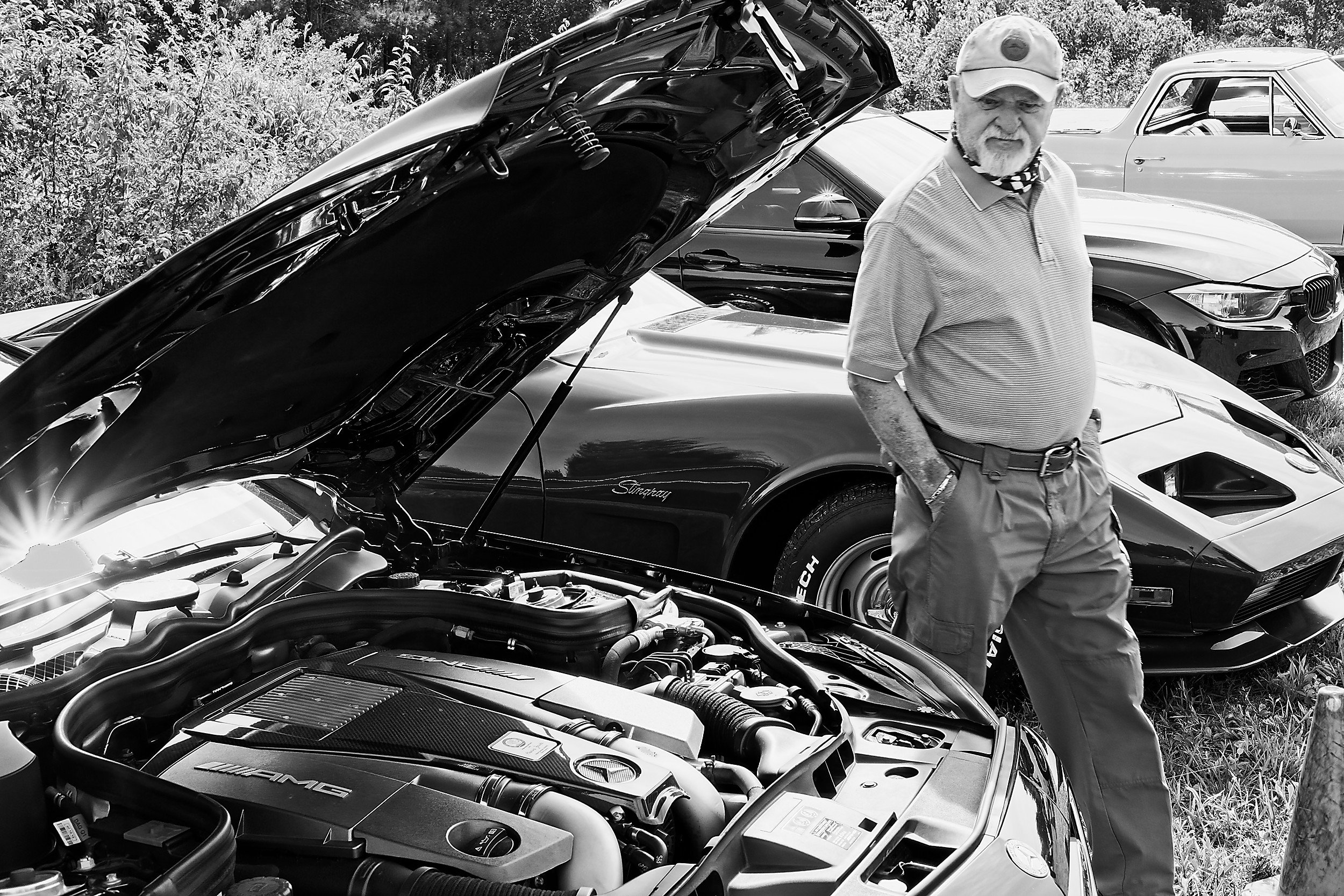
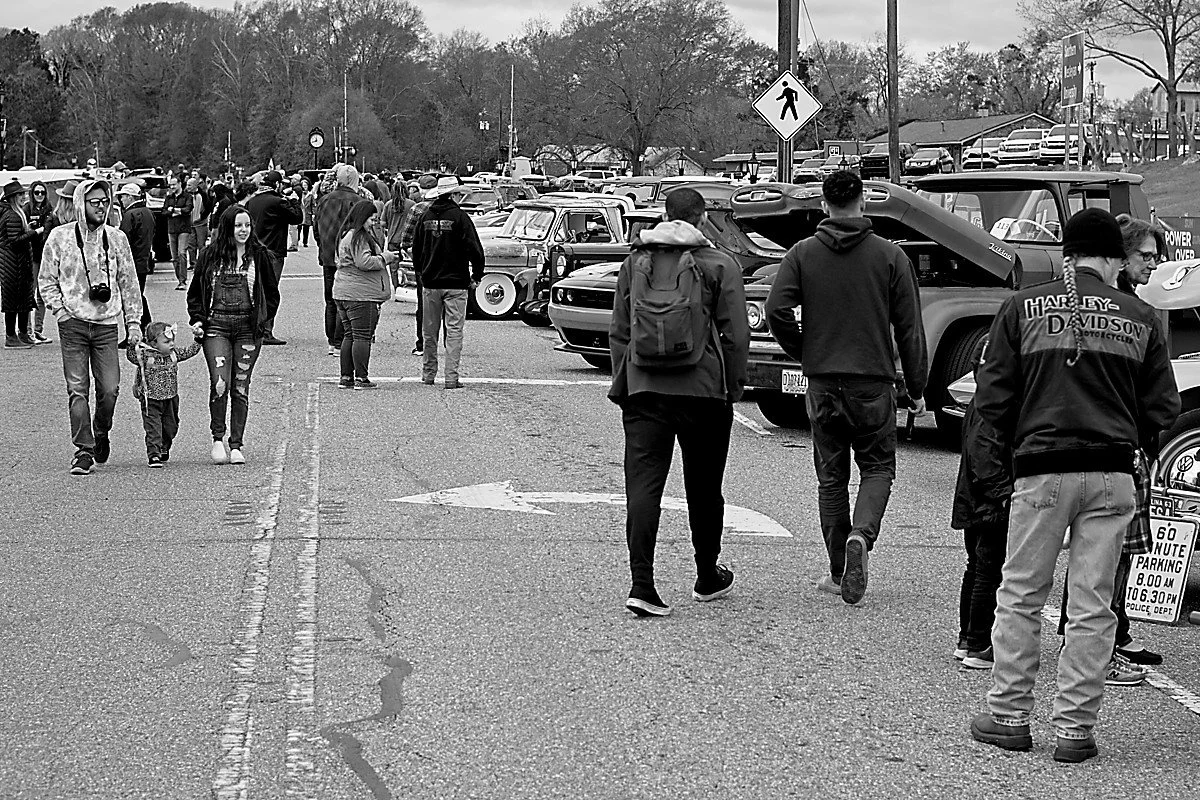
The car show is just the setting, a temporary neighborhood where strangers come together, share stories, and make space for each other through ritual, craft, and pride.
These photographs encourage a slower look at the quiet things Americans share when they meet in person.
AutoFocus might seem to be about cars, but it is really about people. My fascination with the subtle interactions at car shows drew me to this subject. Unlike typical coverage that focuses on vehicles, I aim to highlight the small, everyday ways Americans come together, show who they are, and make space for each other in public. This personal approach explores how these gatherings foster human connection, capturing the essence of community amid the automotive spectacle.
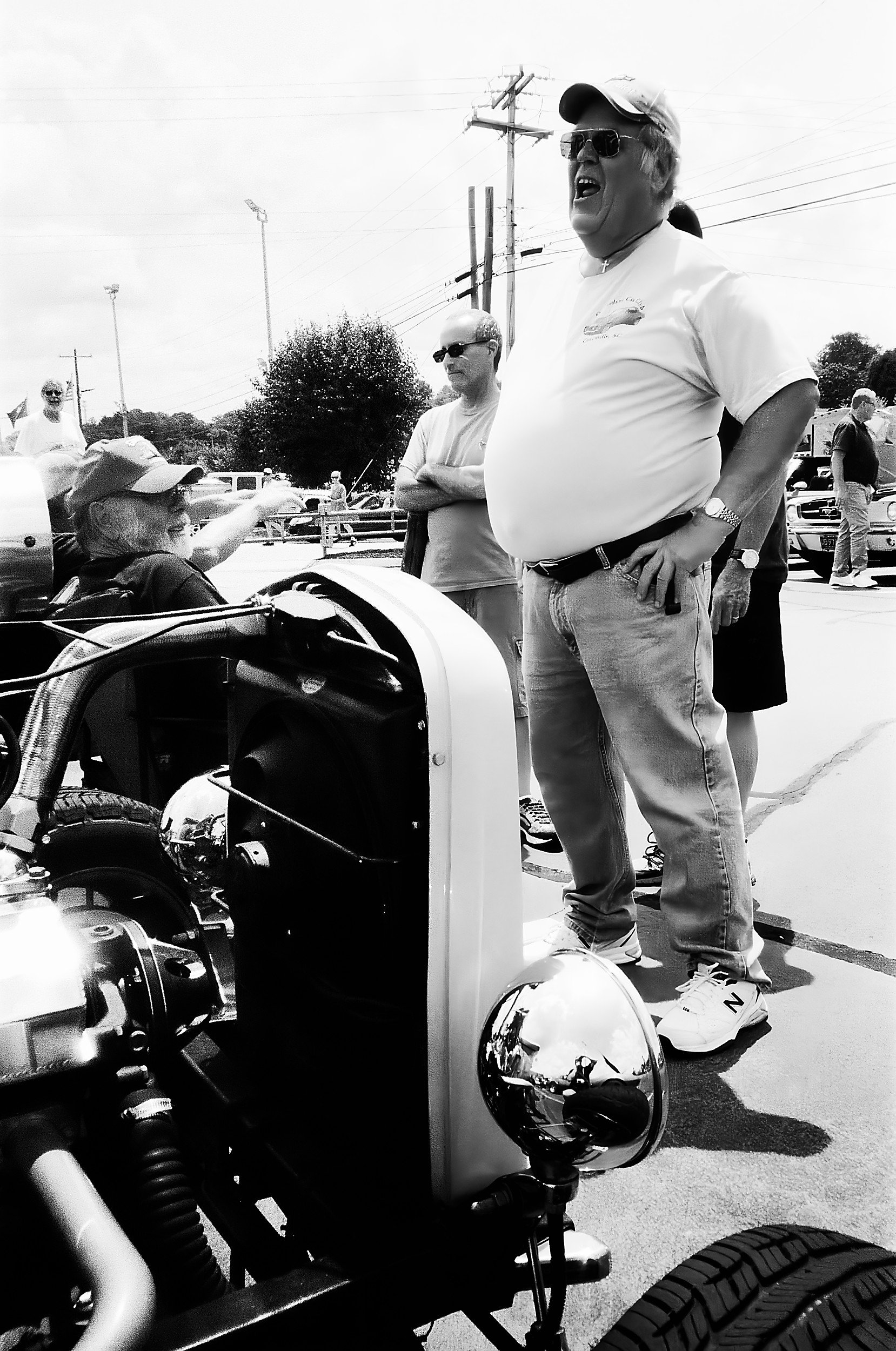
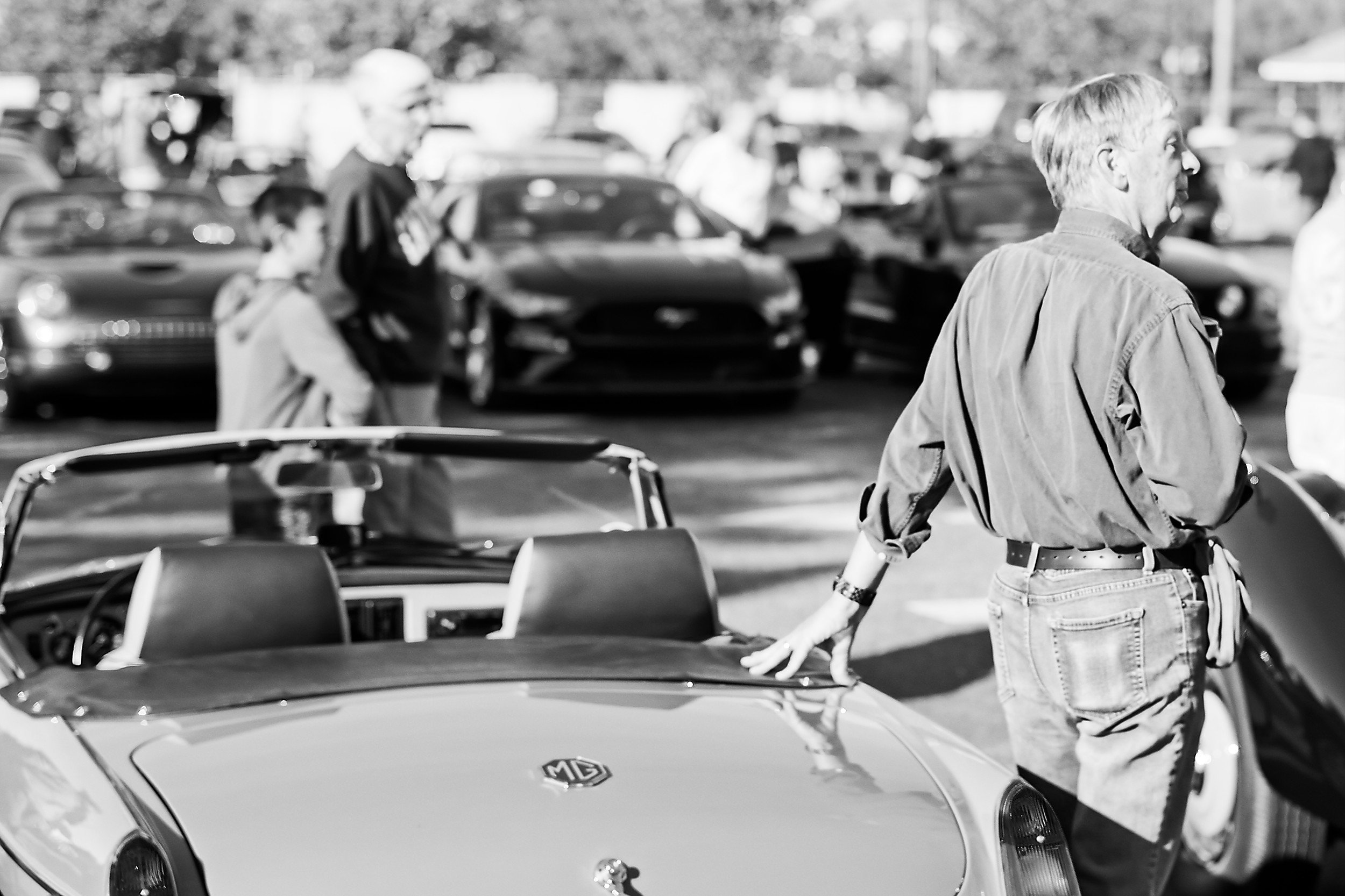
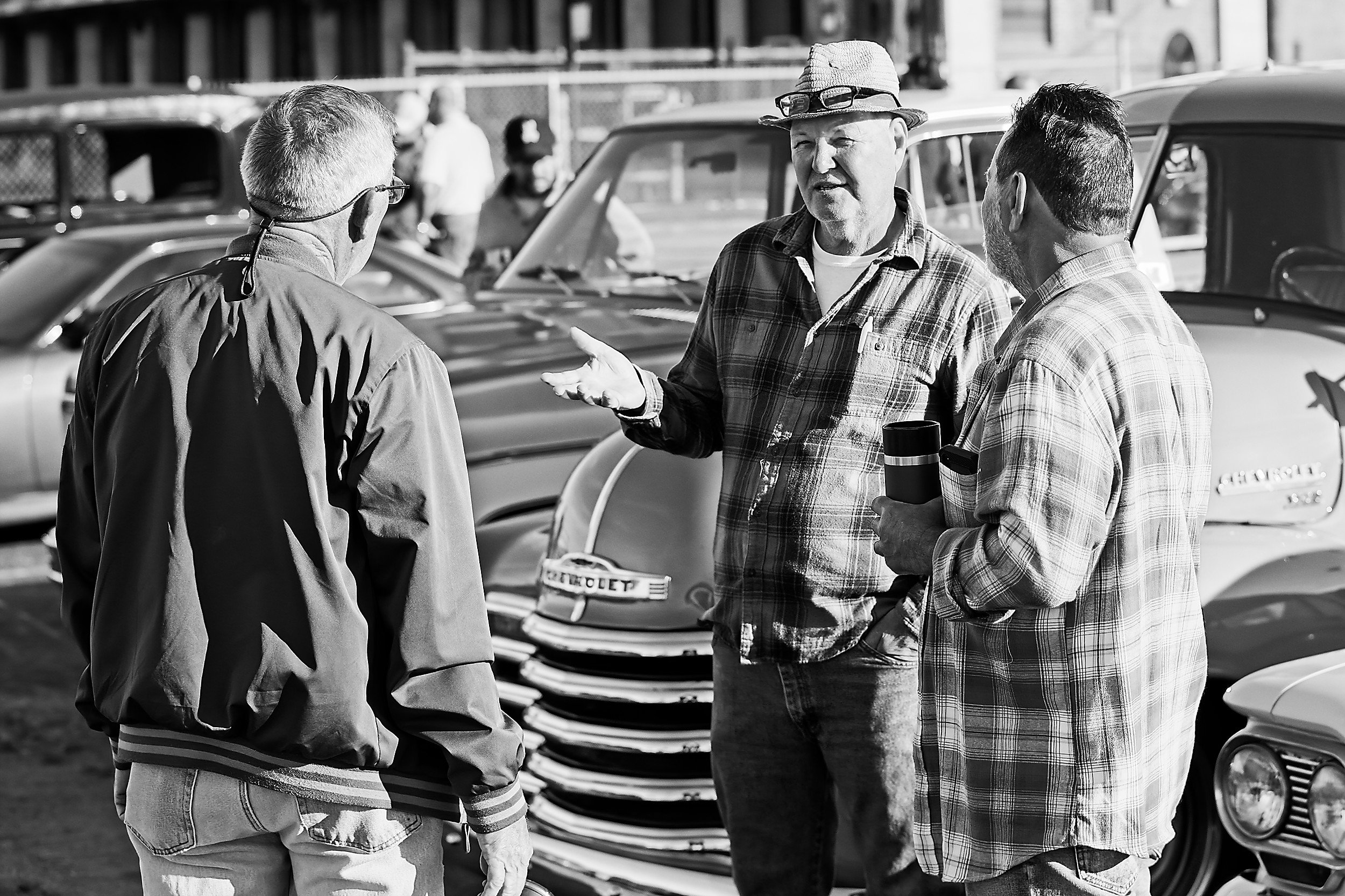
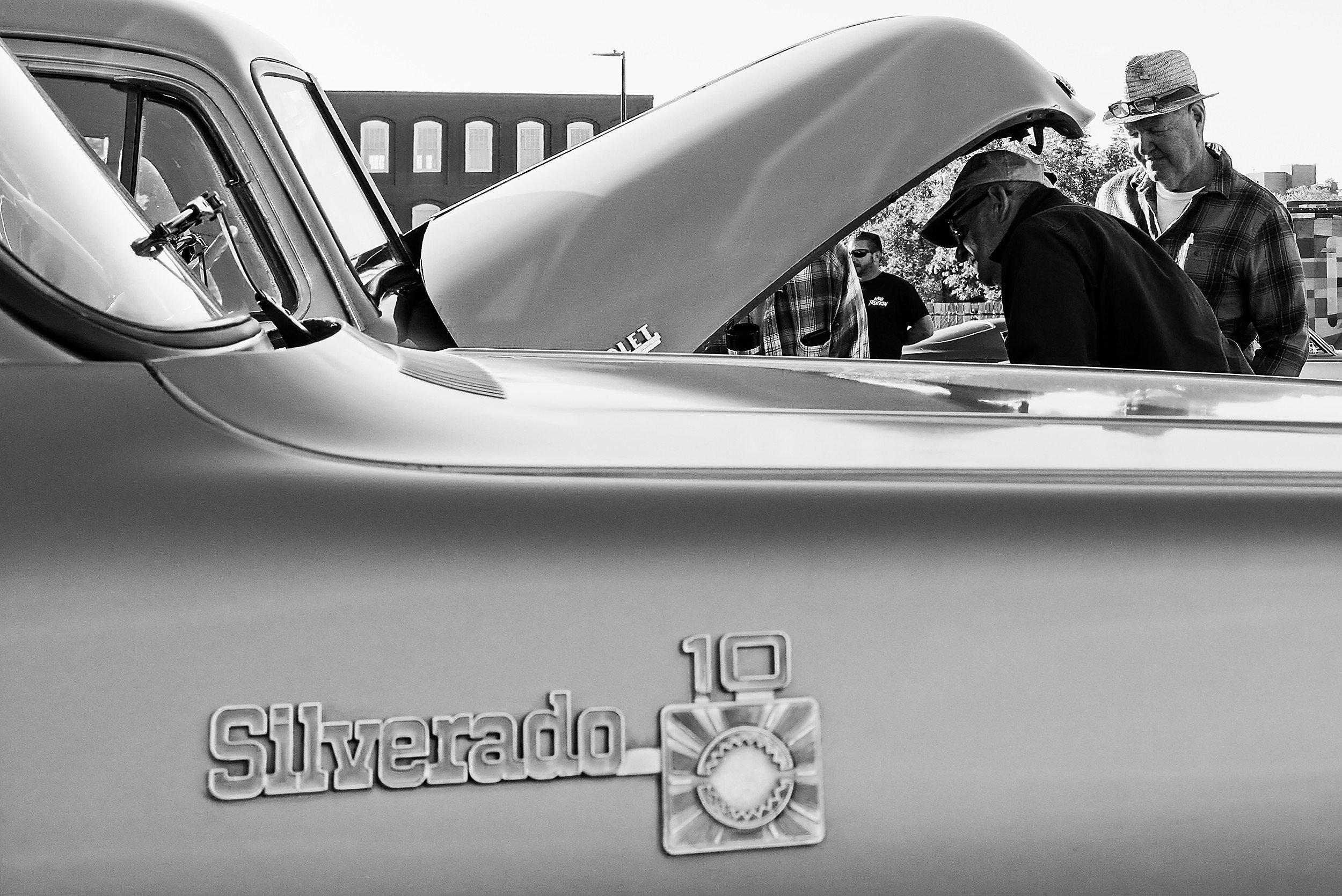
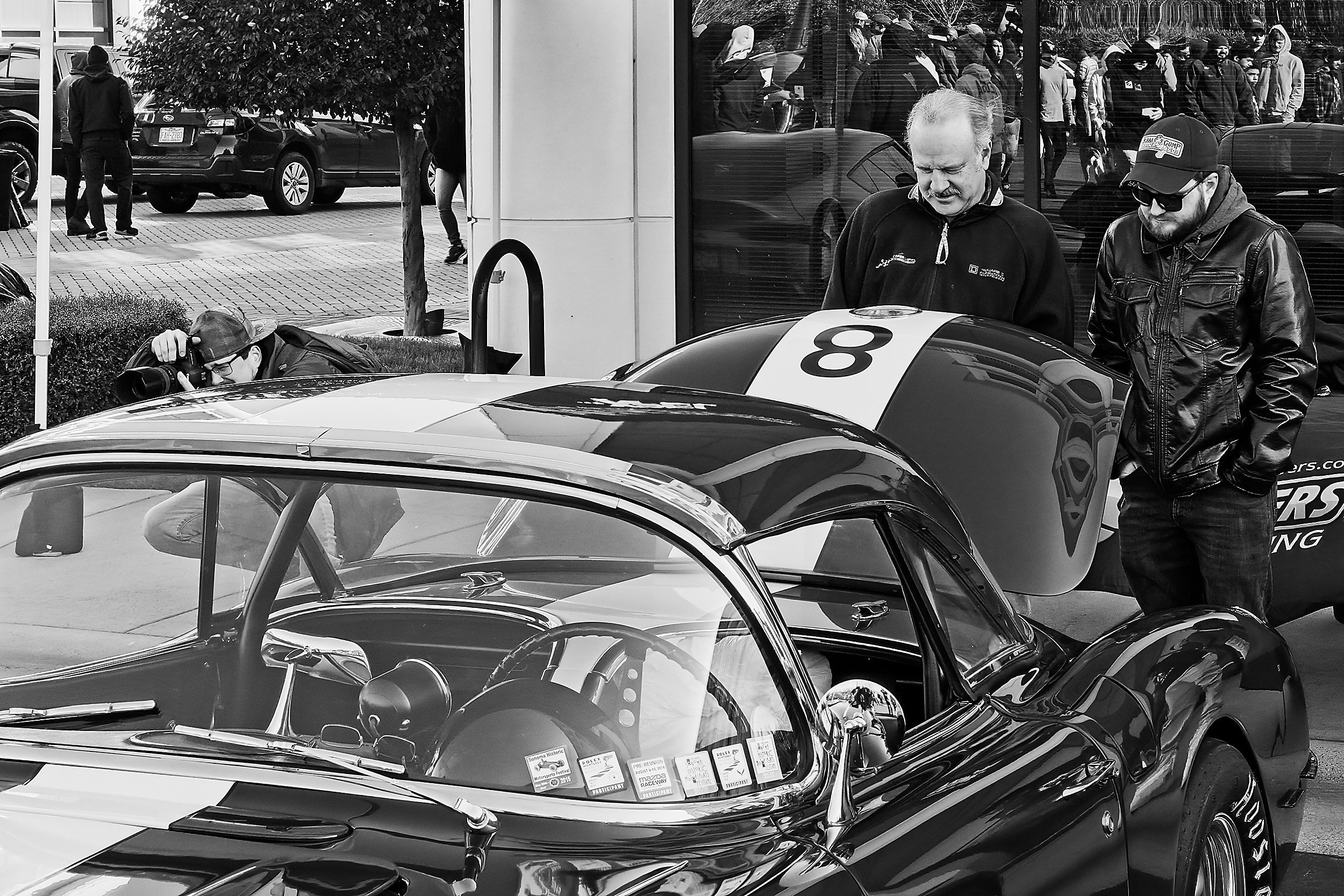
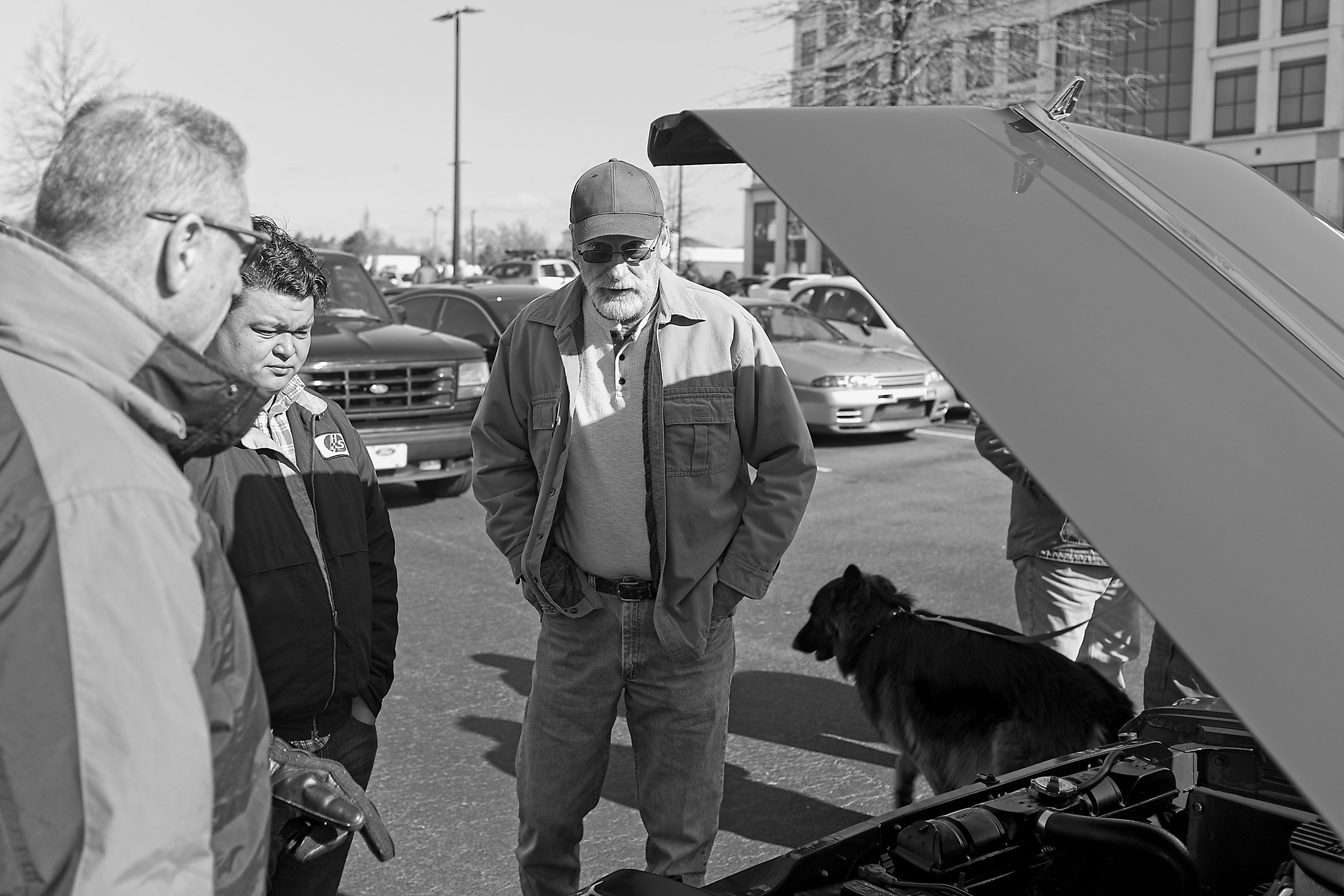
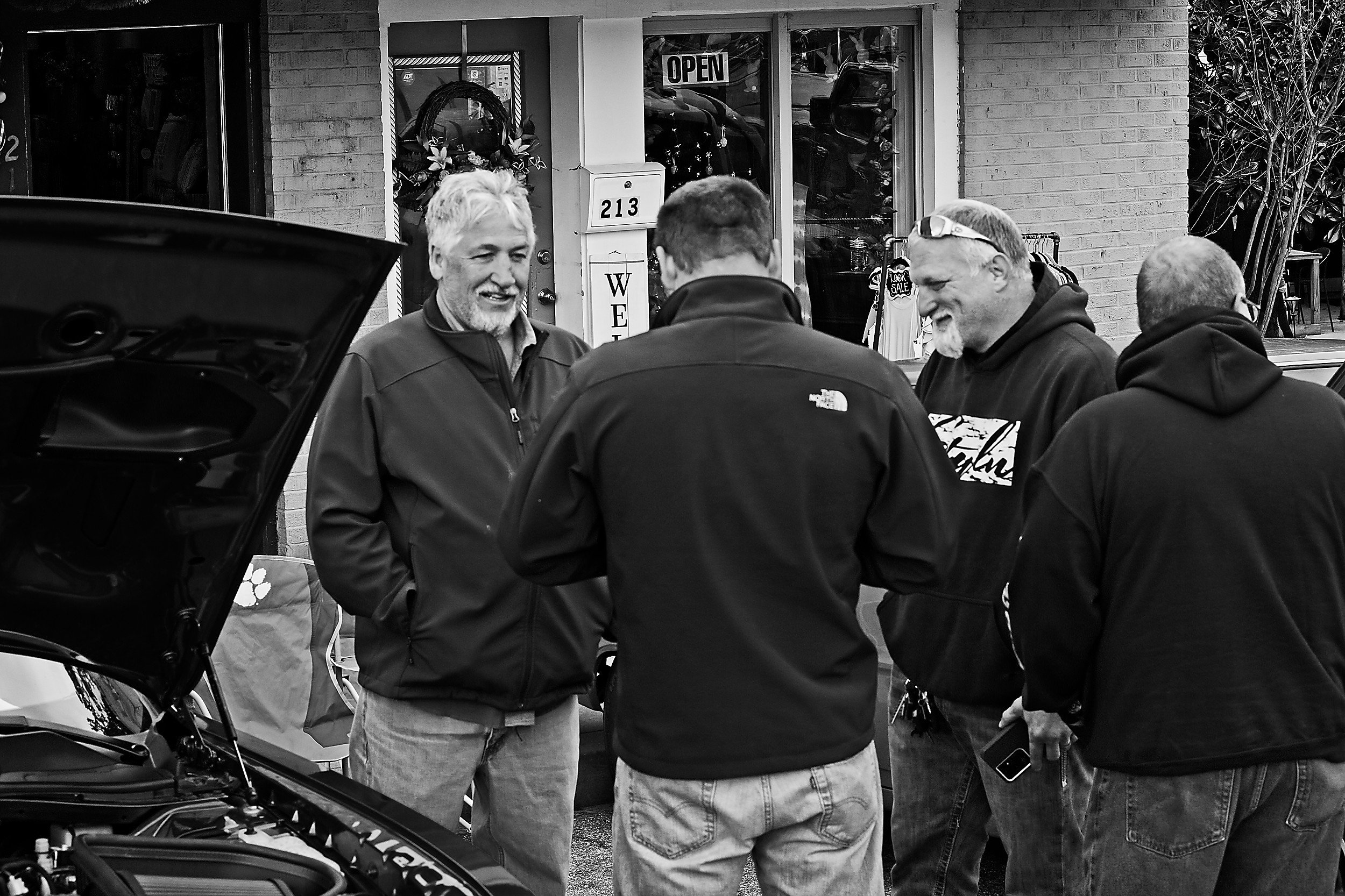
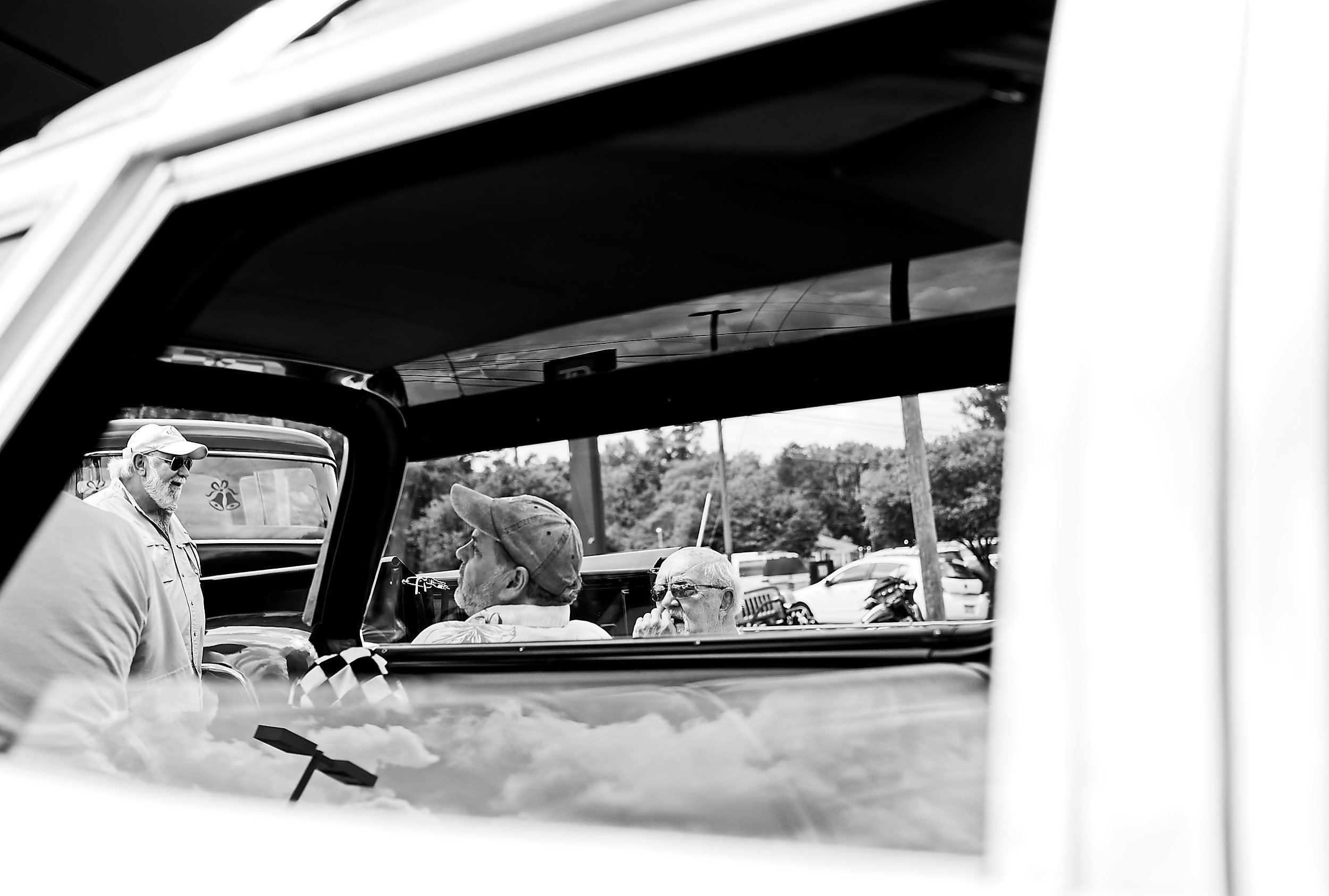
A car show turns a parking lot into a temporary neighborhood. Hoods open. Folding chairs appear. Someone wipes a fender again, not because it needs it, but because caring is part of the ritual. Strangers start conversations with a kind of ease that feels rare: What year is it? Is it original? How did you find it? What did you have to rebuild? Beneath the talk about paint codes, carburetors, and horsepower is something more human: pride in work, respect for craft, and the simple pleasure of being understood by people who get it.
Cars have long been special objects, things we put time, money, patience, and imagination into, sometimes for no practical reason, often with love. At these shows, that devotion is easy to see. It shows not just in the cars, but in the way owners stand by them: protective, hopeful, and sometimes a little vulnerable. A car can be a trophy, a memory, an inheritance, a second chance, or a lifelong project. It can hold a father’s story, a first job, a lost decade, or a recovery year. When someone says, “I used to have one just like this,” they are rarely talking only about the car. They are remembering a part of their life.
These gatherings are special because everyone is welcome. You might see a spotless British roadster next to a truck that was pulled from a swamp and rebuilt piece by piece. A young fan explains her tuning choices to someone twice her age. A retiree walks his grandson down the rows, pointing out cars from another time. People come in work boots or pressed shirts, with grease under their nails or sunblock on their arms. The things that matter elsewhere, status, job title, politics, matter less here. What people share is attention: to detail, to effort, and to the story behind each car.
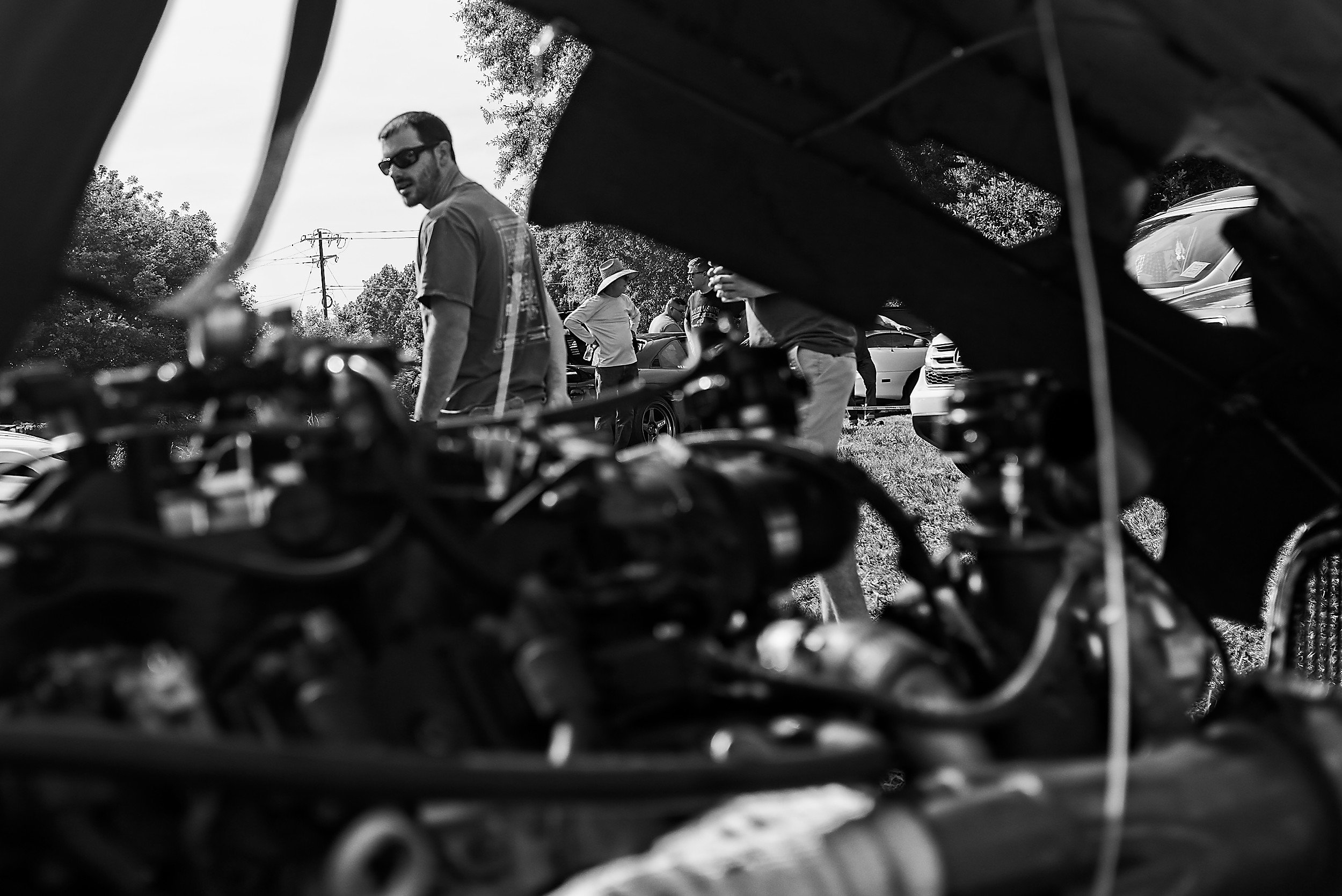
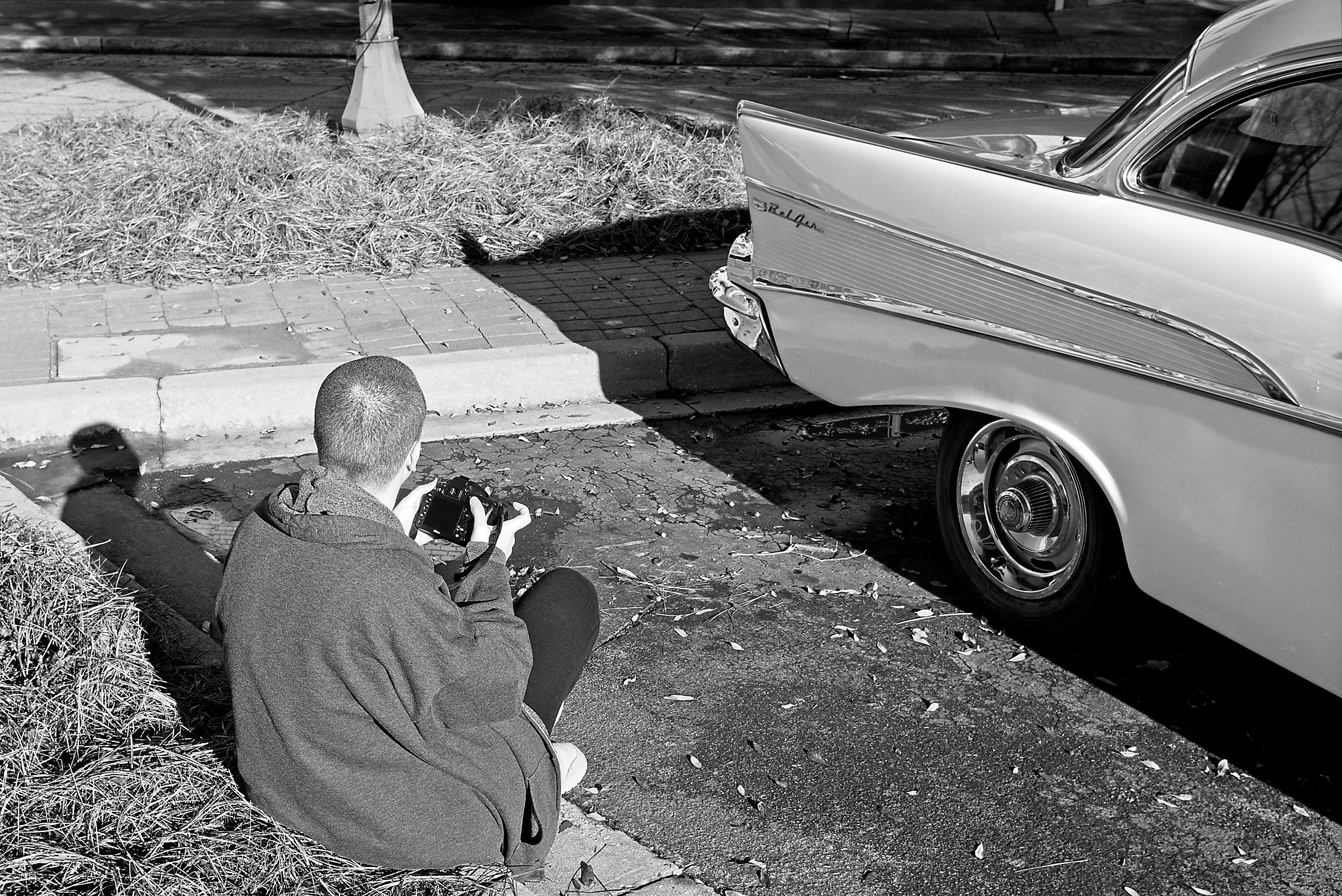
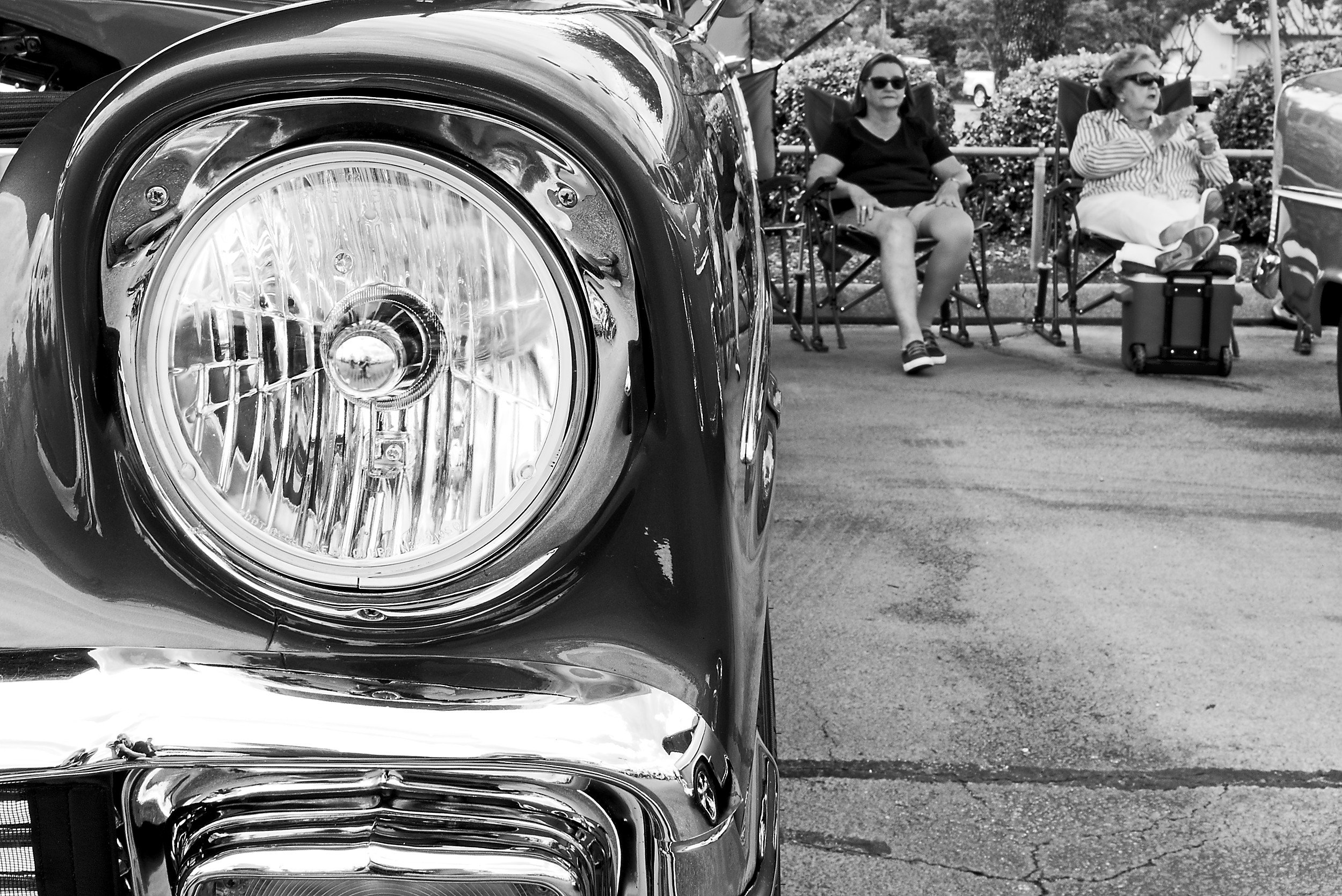
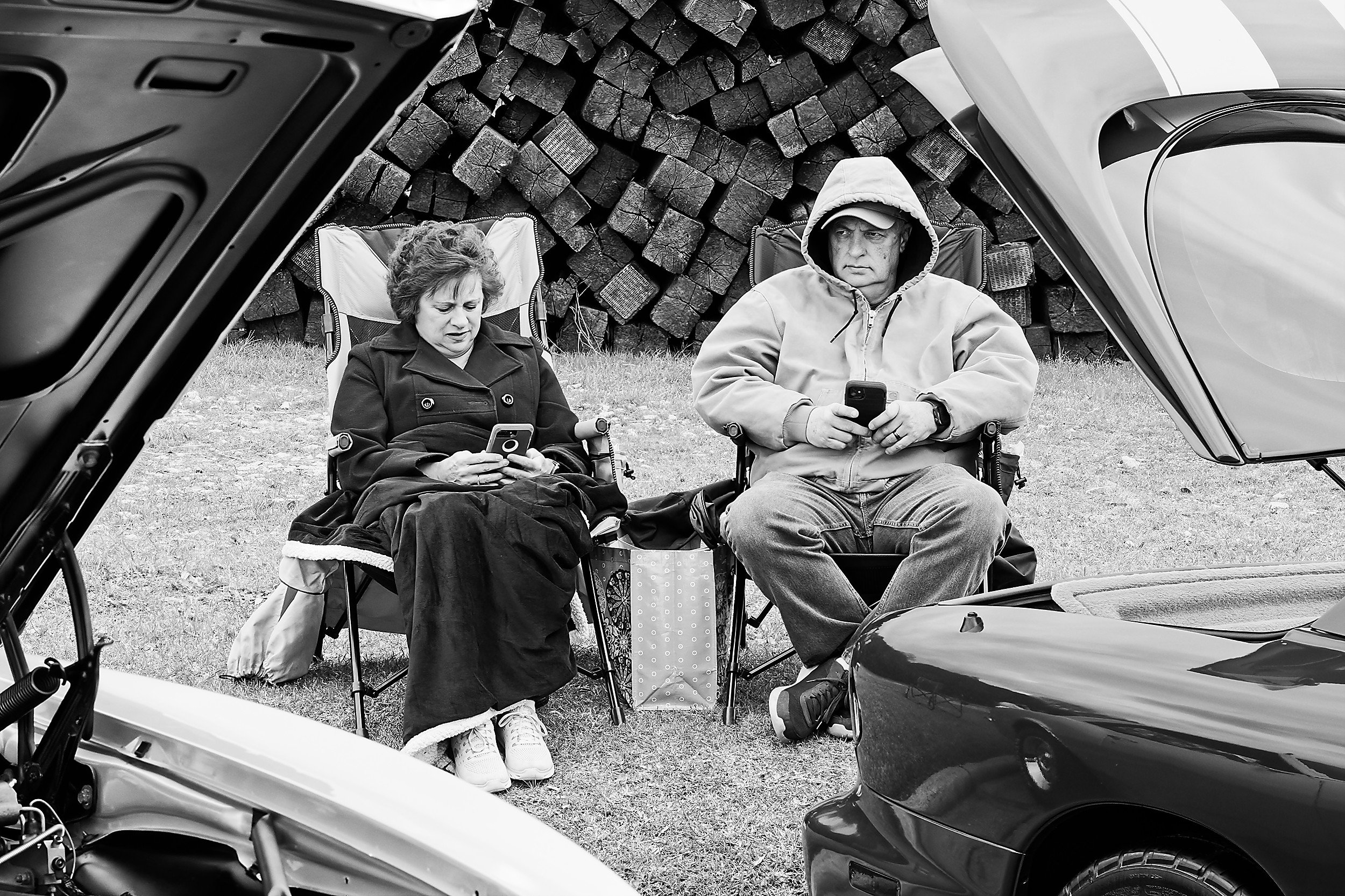
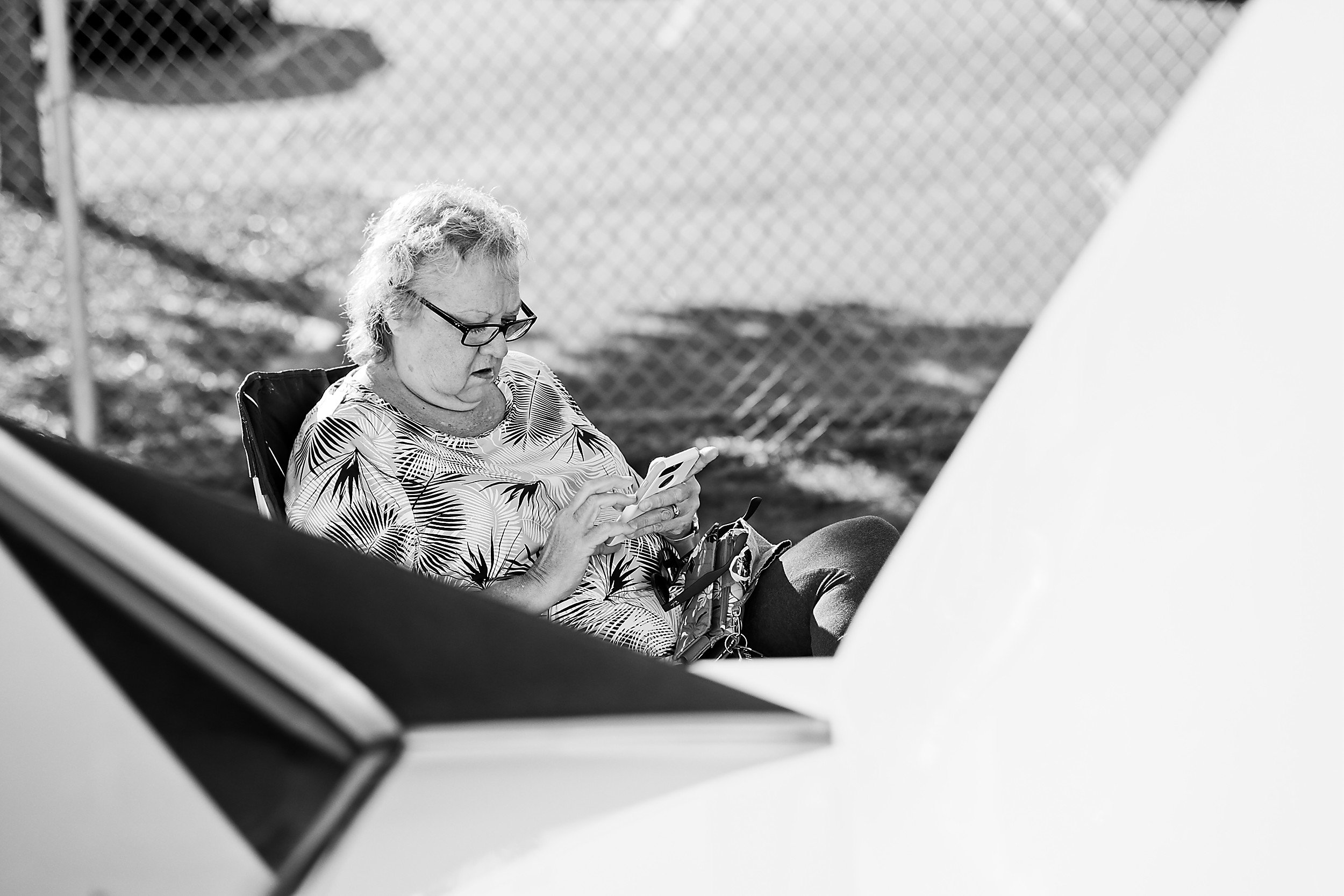
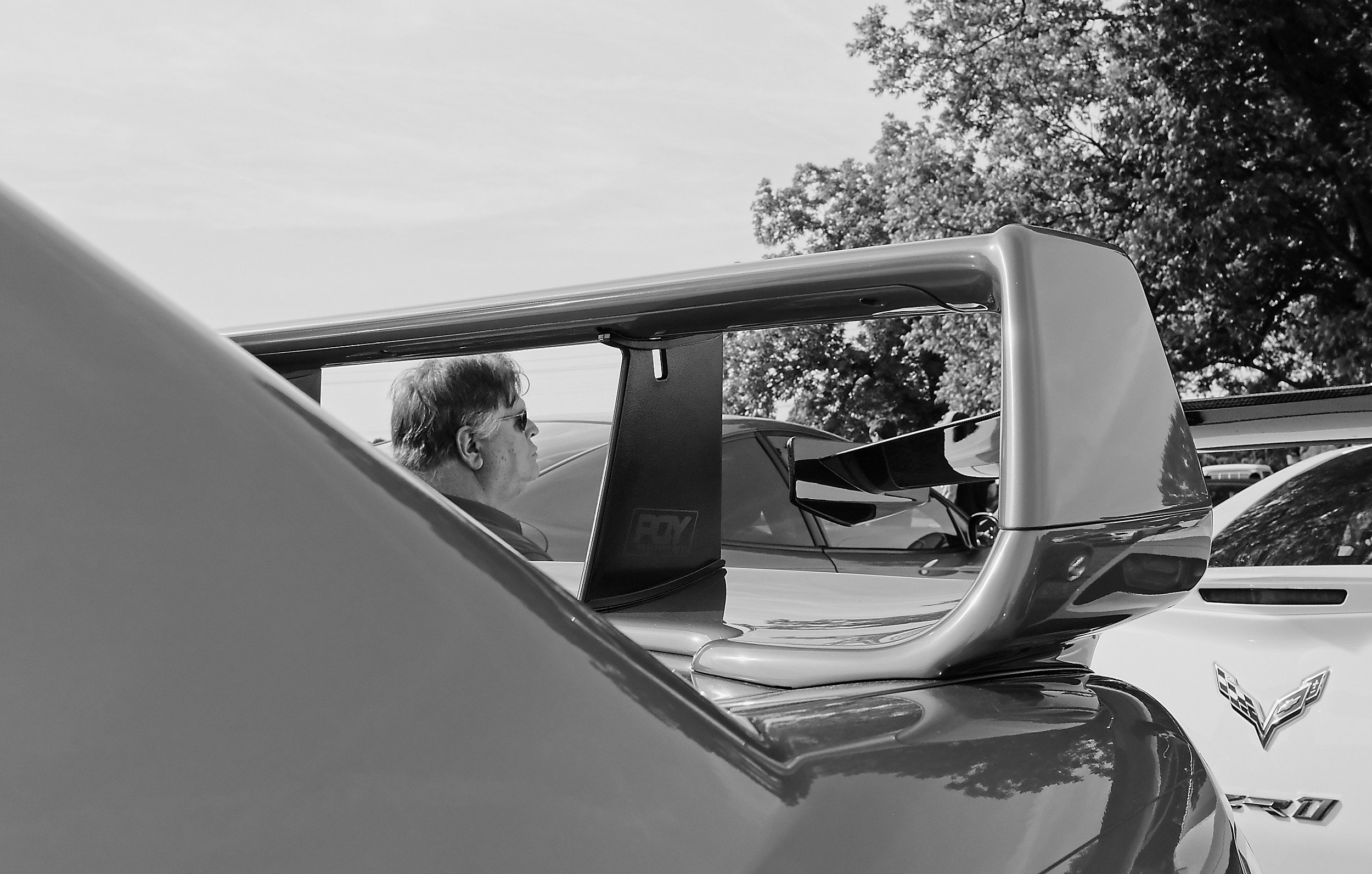
And then there is the crowd, just as interesting as any car. There are patient listeners, passionate explainers, and gentle skeptics who can spot a non-original part from ten feet away. Some people remember every car they have ever owned, like a family tree. Newcomers wait at the edge until someone invites them in. Partners and friends may not care about engines, but they care about the person who does. They hold a drink, take a photo, find shade, and help make the day feel easy. Even the photographers, including me, learn to be patient and treat the event not as a backdrop, but as a place where people belong.
I invite you to look more closely at that sense of belonging. Notice the tenderness within the toughness, the humor within the competition, and the dignity within the obsession. Choosing black-and-white photography was a deliberate decision to focus the viewer's attention on the essence of these moments. In the absence of color, distractions fade, allowing gestures and faces to stand out more prominently. The monochrome palette highlights details such as a hand resting on a hood like a shoulder, a quiet conversation at the end of a row, a laugh between strangers, the tiredness after a long setup, and the satisfaction of being seen. This visual approach enriches the storytelling by underscoring the timeless and universal nature of the connections depicted.
When the day ends, and engines start, what stays with you is not just the sight of the cars. It is the feeling of community that becomes visible for a short time. Even in a noisy and divided country, people still find each other through what they love and build small, temporary homes around it.