Capturing the Essence of Tranquility: Round Lake, NY
Discovering Serenity Through the Lens of High-Contrast Monochrome
Nestled amidst the picturesque Adirondack Mountains of upstate New York lies a hidden gem: Round Lake…

Discovering Serenity Through the Lens of High-Contrast Monochrome
Introduction
Nestled amidst the picturesque Adirondack Mountains of upstate New York lies a hidden gem: Round Lake.
This pristine body of water has long inspired photographers like me, beckoning us to capture its enchanting beauty. In this essay, I will talk about Round Lake's location, history, and significance while also recounting my experience of capturing its ghostly charm on an early morning shrouded in fog.
A Natural Oasis
Round Lake is strategically located within Saratoga County, just 12 miles south of Saratoga Springs. Near the Adirondack Park Preserve, this location contributes significantly to its allure. The lake covers approximately 356 acres, with an average depth of 7 feet. Its small size provides an intimate and tranquil atmosphere, making it a perfect destination for nature enthusiasts and photographers.

The lake's shoreline is lined with lush, leafy forests, predominantly composed of northern hardwoods such as maple and beech trees. These trees create a splendid backdrop, especially during autumn when their leaves burst into fiery red, orange, and gold shades.


The lake's diverse flora and fauna create a vibrant ecosystem, making it a hot spot for wildlife photography: its crystal-clear waters abound with aquatic life. From bass to perch, the fishing opportunities are abundant, attracting anglers yearly. Additionally, Round Lake is renowned for its ecologically sensitive practices, ensuring its natural beauty remains unspoiled for future generations.

A Historical Gem
Round Lake's history is as rich as its natural beauty. This glacially formed lake has existed for thousands of years, serving as a vital resource for indigenous people and early settlers.
The lake was initially known as "Ondariquoit," a name derived from the Native American Iroquoian language, which means "round lake." The Iroquois regarded this place as sacred, often visiting it for its abundant fish and pristine waters.
In the 19th century, Round Lake gained fame as a spiritual retreat for the Methodist Church. In 1867, it became the permanent home of the Chautauqua Institution, a center for adult education, religion, and the arts.
Today, Round Lake's history is cherished by those who appreciate its serene ambiance.
The Magic of Early Morning Fog
One of the most enchanting aspects of Round Lake is its propensity for early morning fog. While this natural phenomenon can occur at any time of the year, it is most common during the spring and autumn months, when the temperature fluctuations between night and day are most pronounced. This unique weather pattern creates a magical and ethereal atmosphere that is a photographer's dream.

Fog diffuses the sunlight, softening harsh shadows and creating a gentle, diffused glow that bathes the landscape in a delicate embrace. The mist envelops everything in a mysterious veil, obscuring distant objects and transforming even the most familiar scenes into something otherworldly. This captivating effect draws photographers from far and wide, hoping to capture Round Lake's timeless beauty in a new and gorgeous light.
I had the privilege of experiencing Round Lake's foggy mornings several times. Each visit brought new challenges and opportunities, and I'd like to share some insights into my experiences:
Preparation: Early mornings can be chilly, even during the warmer months, so I always dress in layers. Proper clothing ensures comfort during extended shooting sessions. I also check my camera gear the night before, ensuring everything is clean and in working order.
Timing: Timing is crucial when photographing in foggy conditions. I typically arrive at the lake before sunrise to scout locations and set up my equipment. The predawn light, often characterized by a deep blue hue, adds an enchanting quality to the fog.
Composition: Composition is critical in capturing the essence of Round Lake's fog. The mist can be used to create depth and mood in the photographs. Elements like trees and rocks can serve as foreground elements that emerge from the haze, adding depth and interest to the image.
Long Exposures: I sometimes use long exposure techniques to accentuate the dreamy quality of the fog. This blurs any ripples on the water's surface, creating a sense of serenity and tranquility. It also captures movement in the mist, adding a dynamic element to the photographs.
Patience: Fog is a dynamic phenomenon whose density can change rapidly. Patience is essential when waiting for the perfect moments to capture the desired mood and atmosphere.
One of my most memorable experiences at Round Lake was during an exceptionally dense, foggy morning in early October.
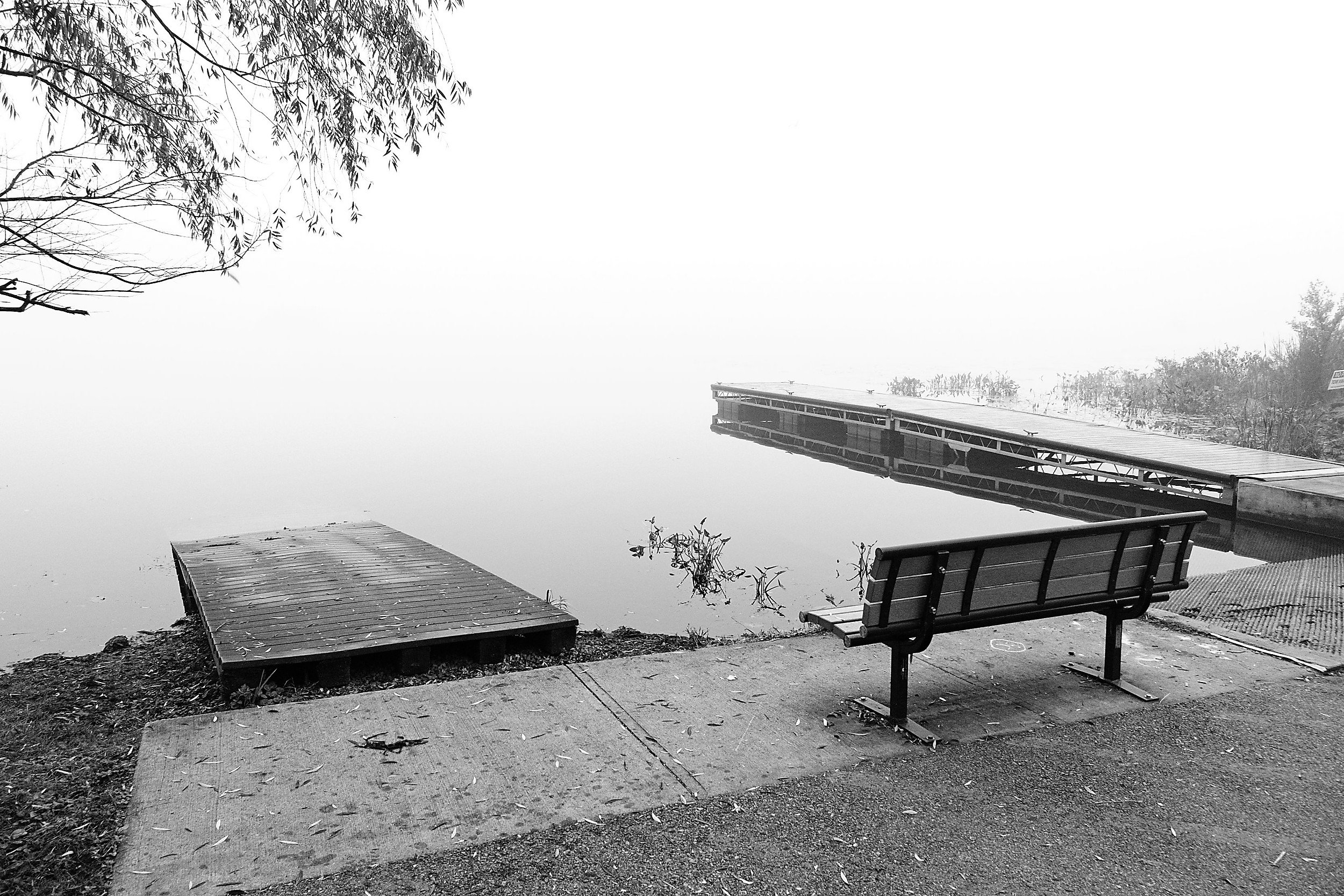
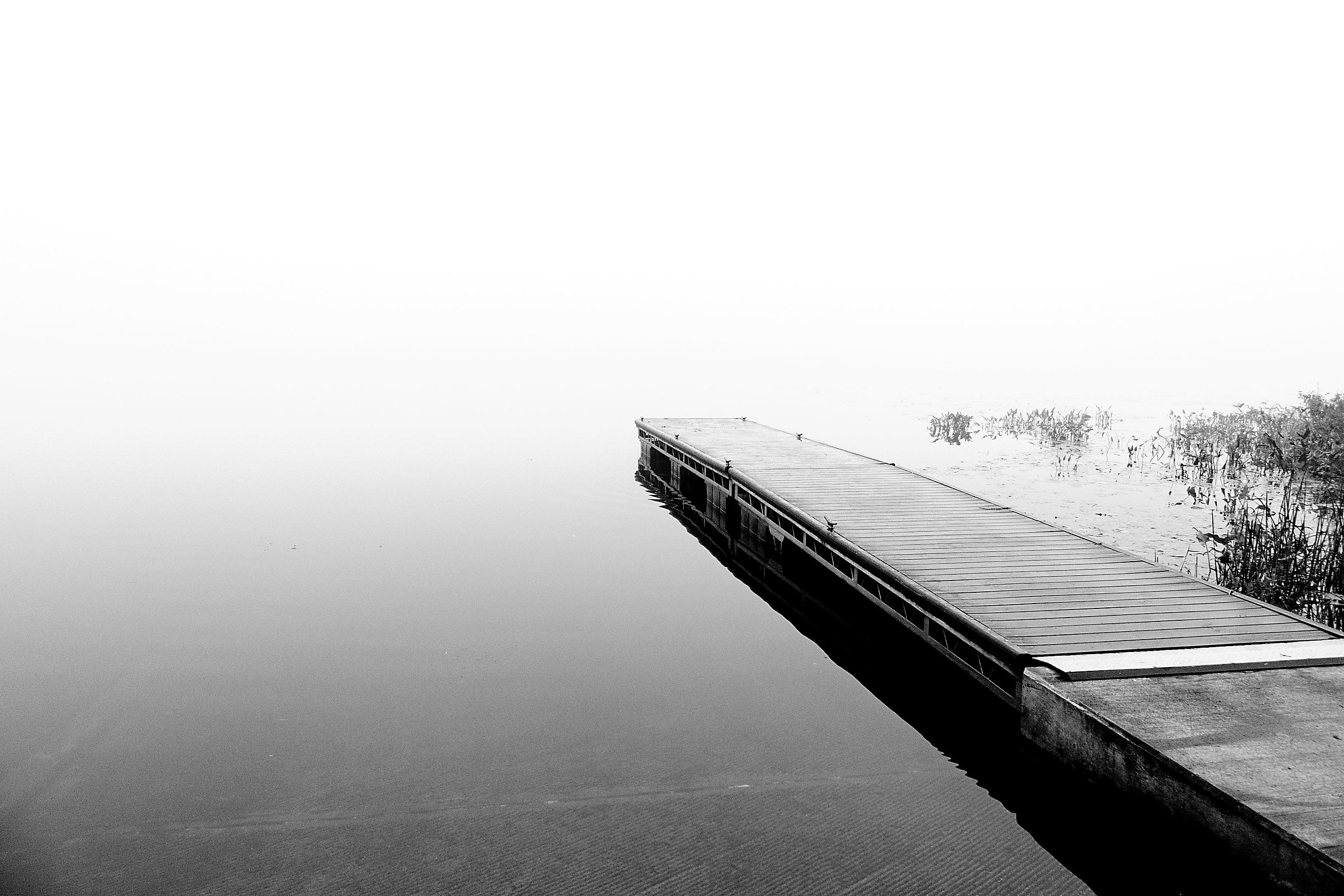
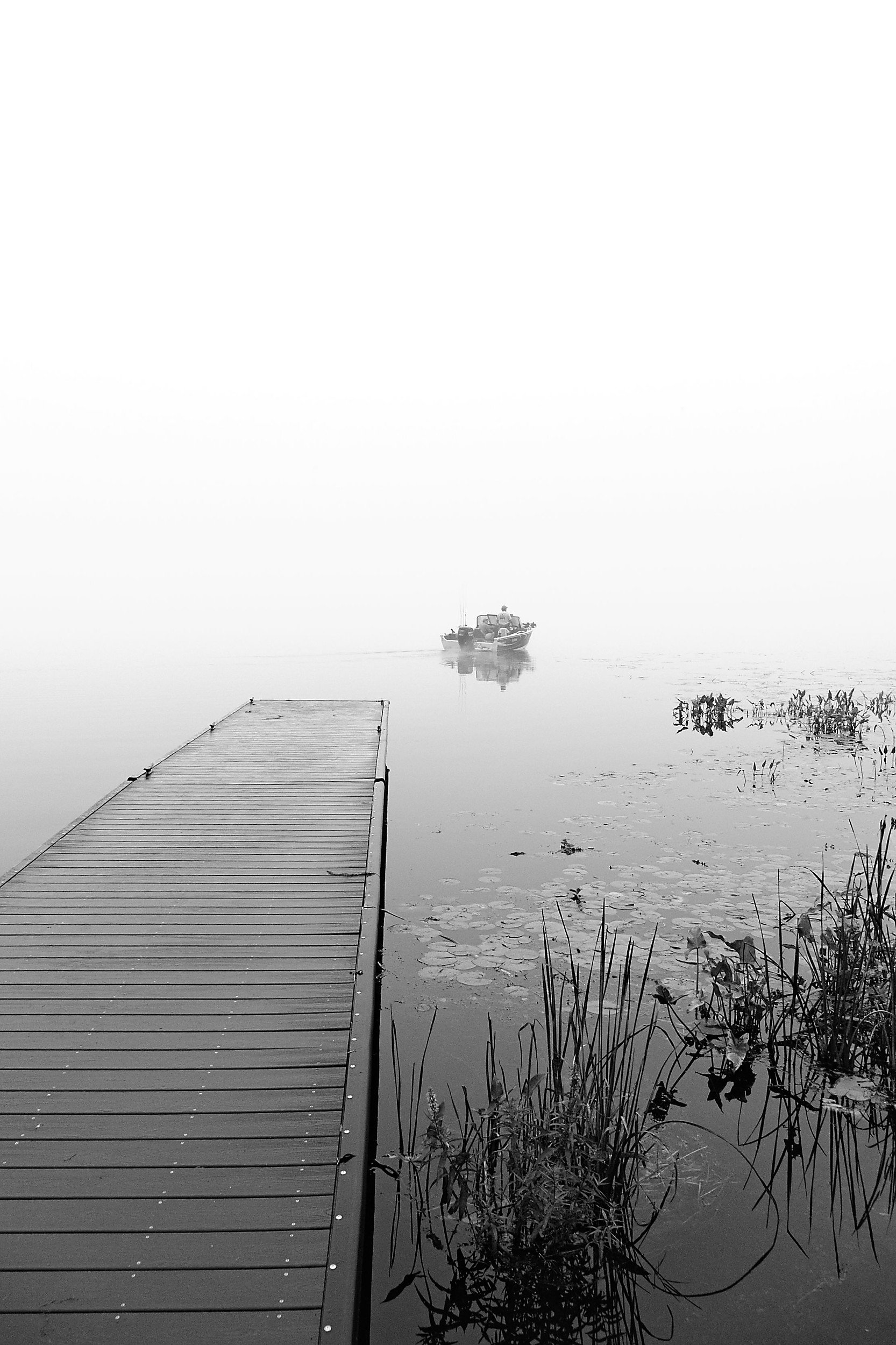
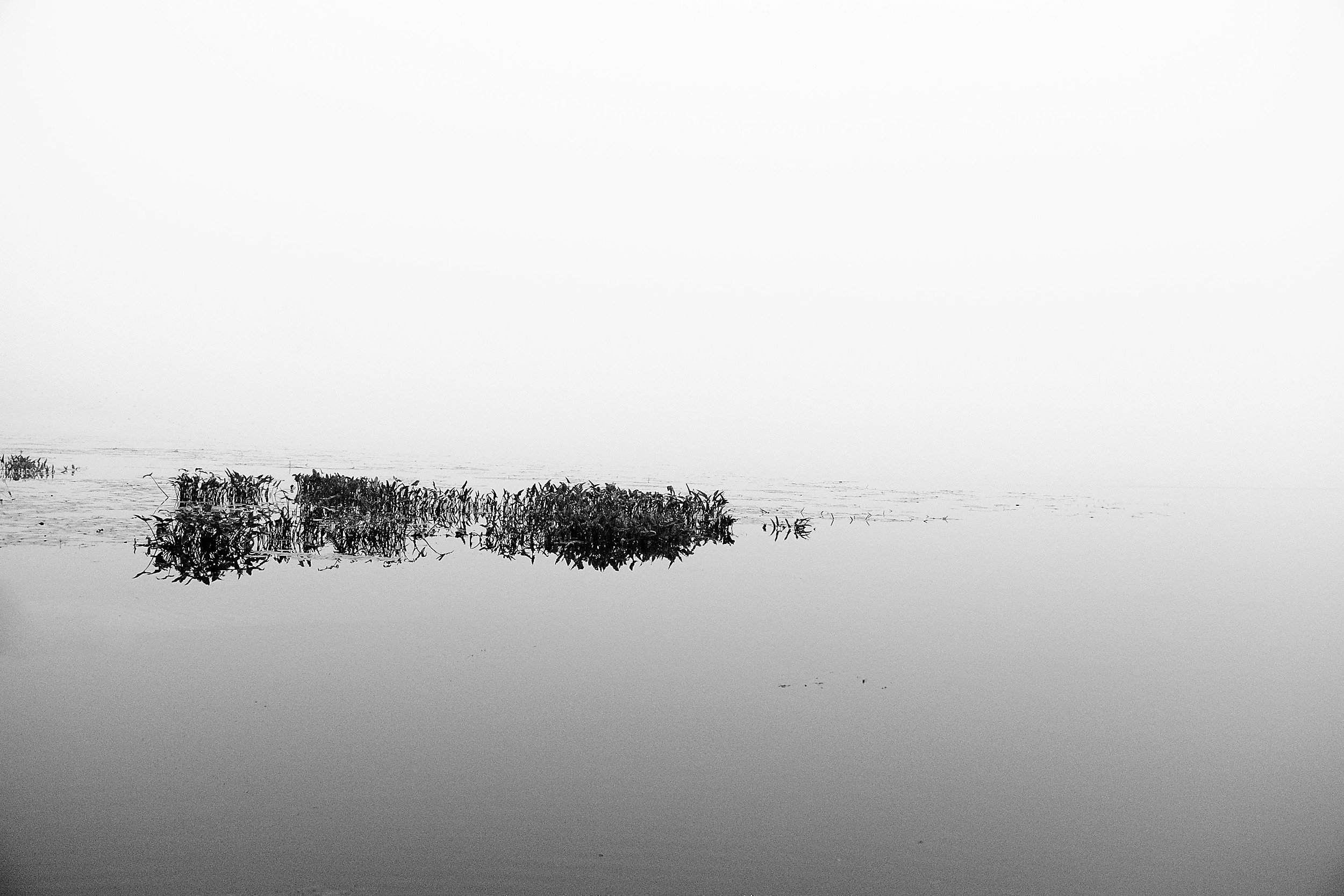
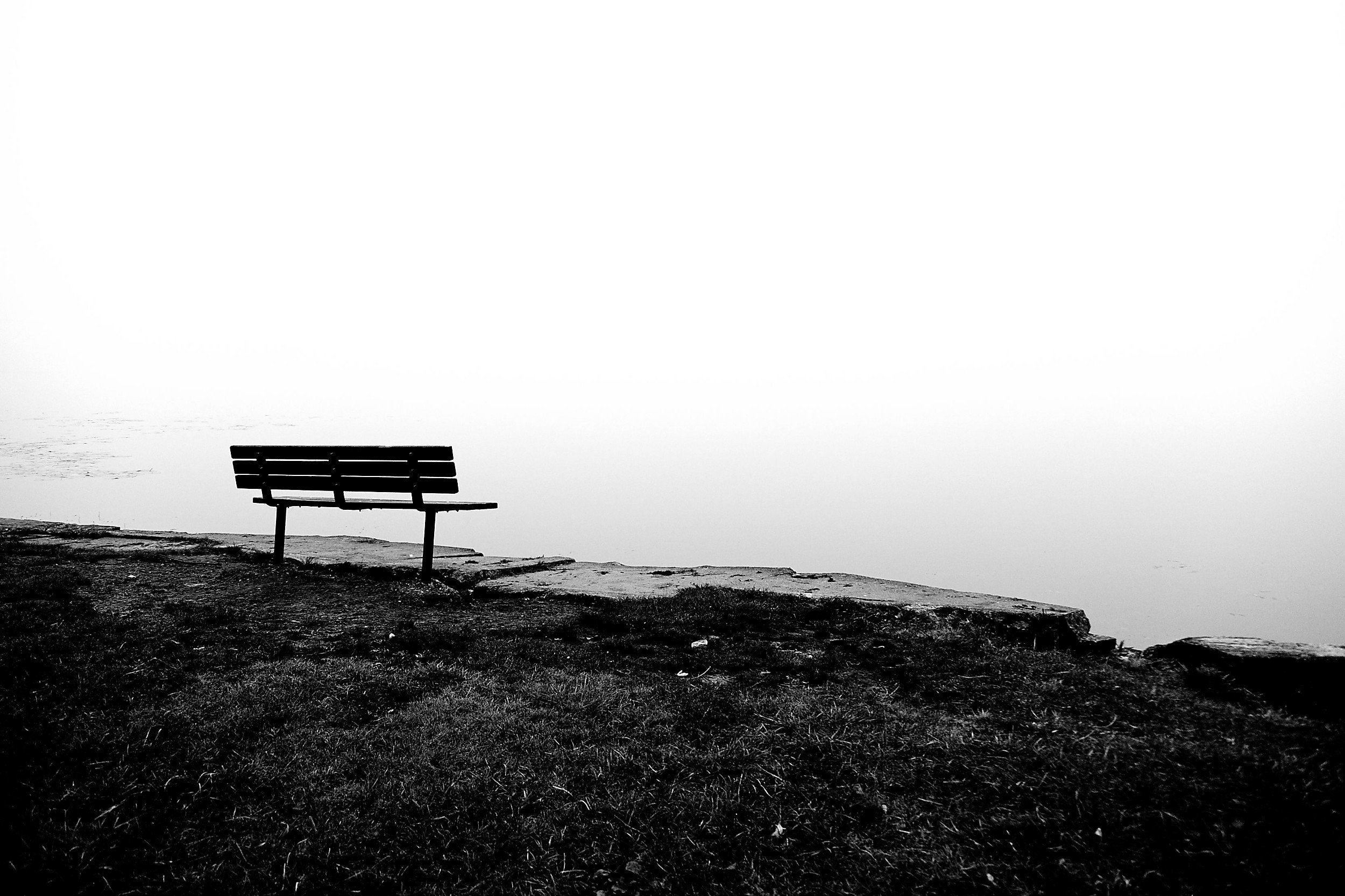
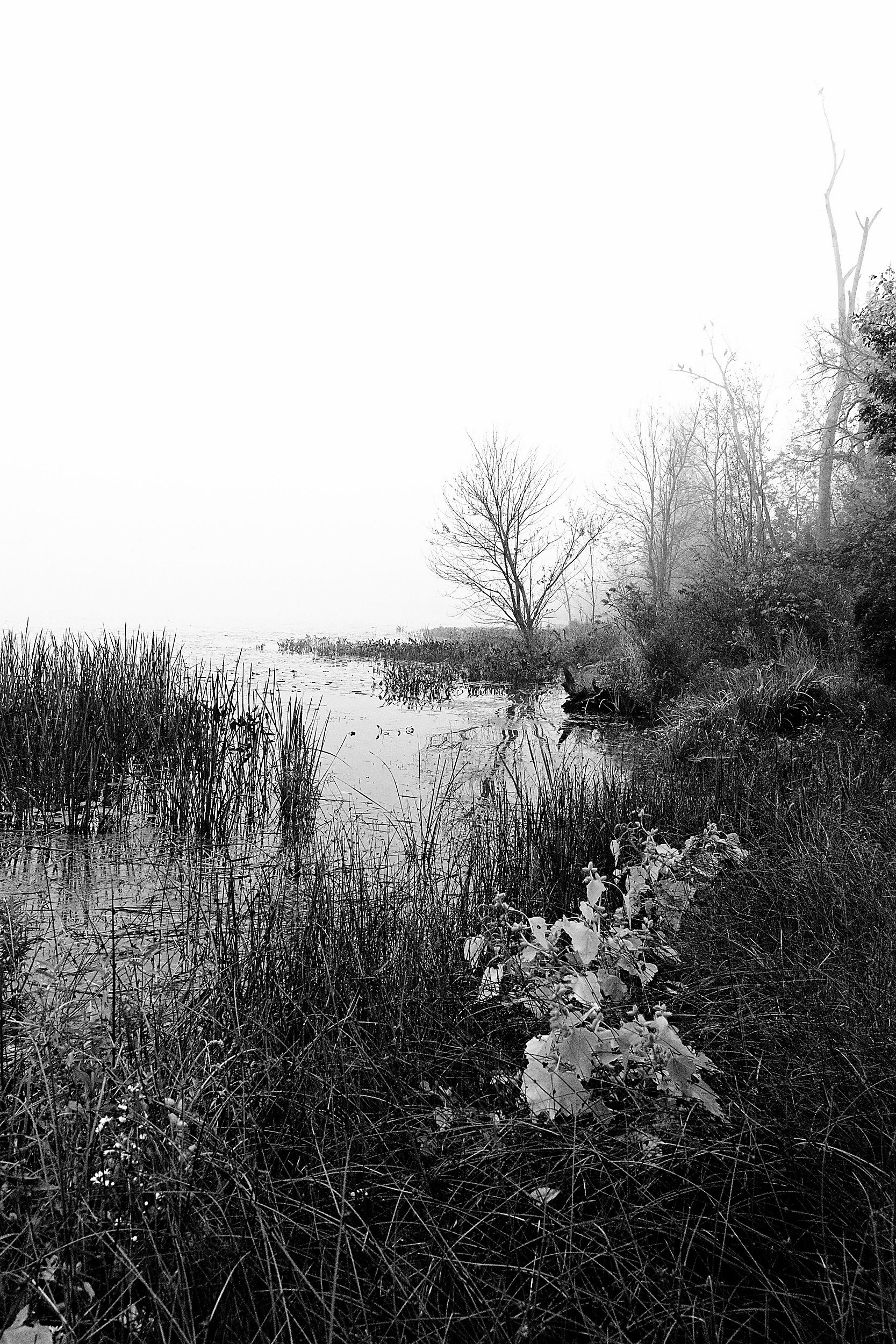
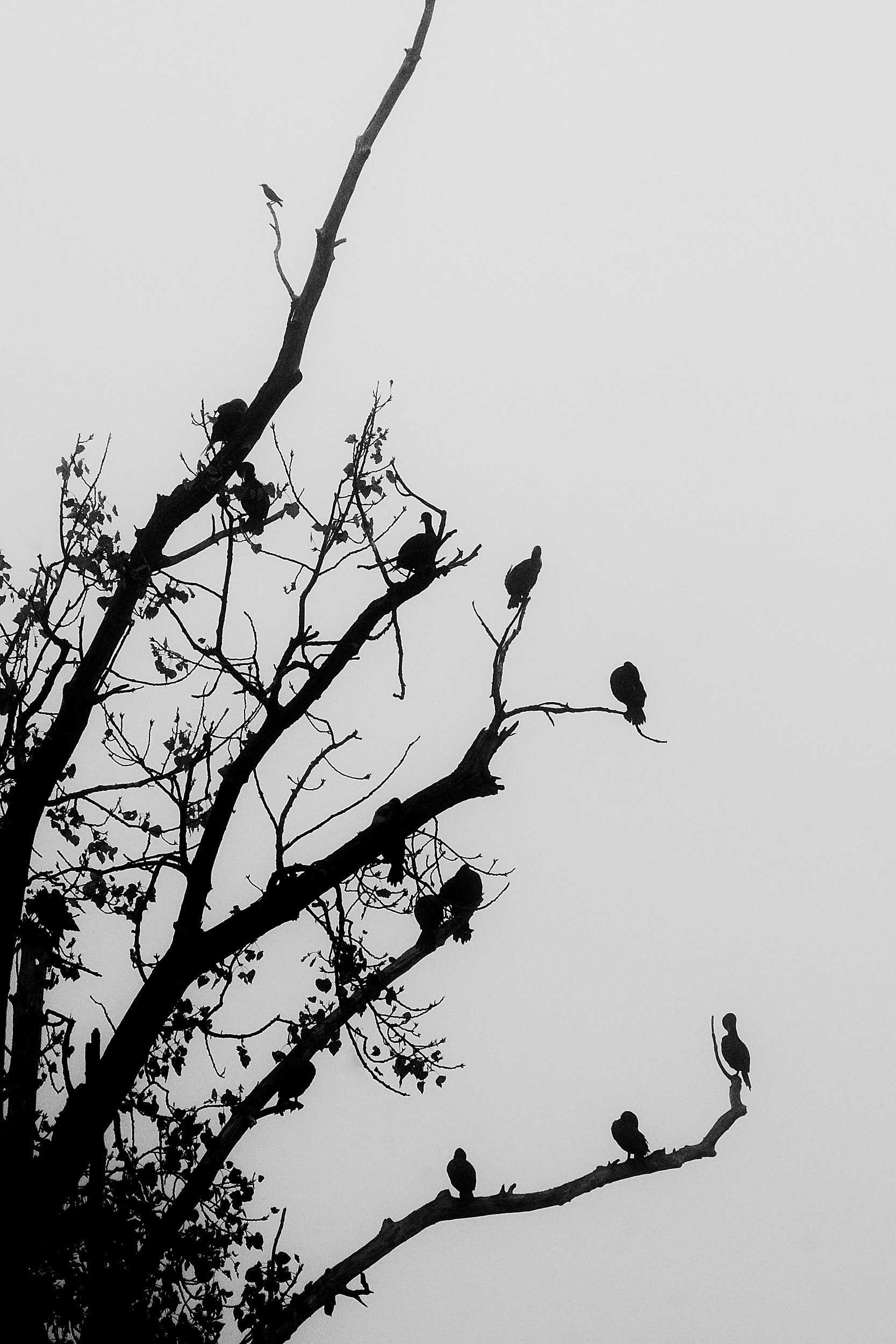
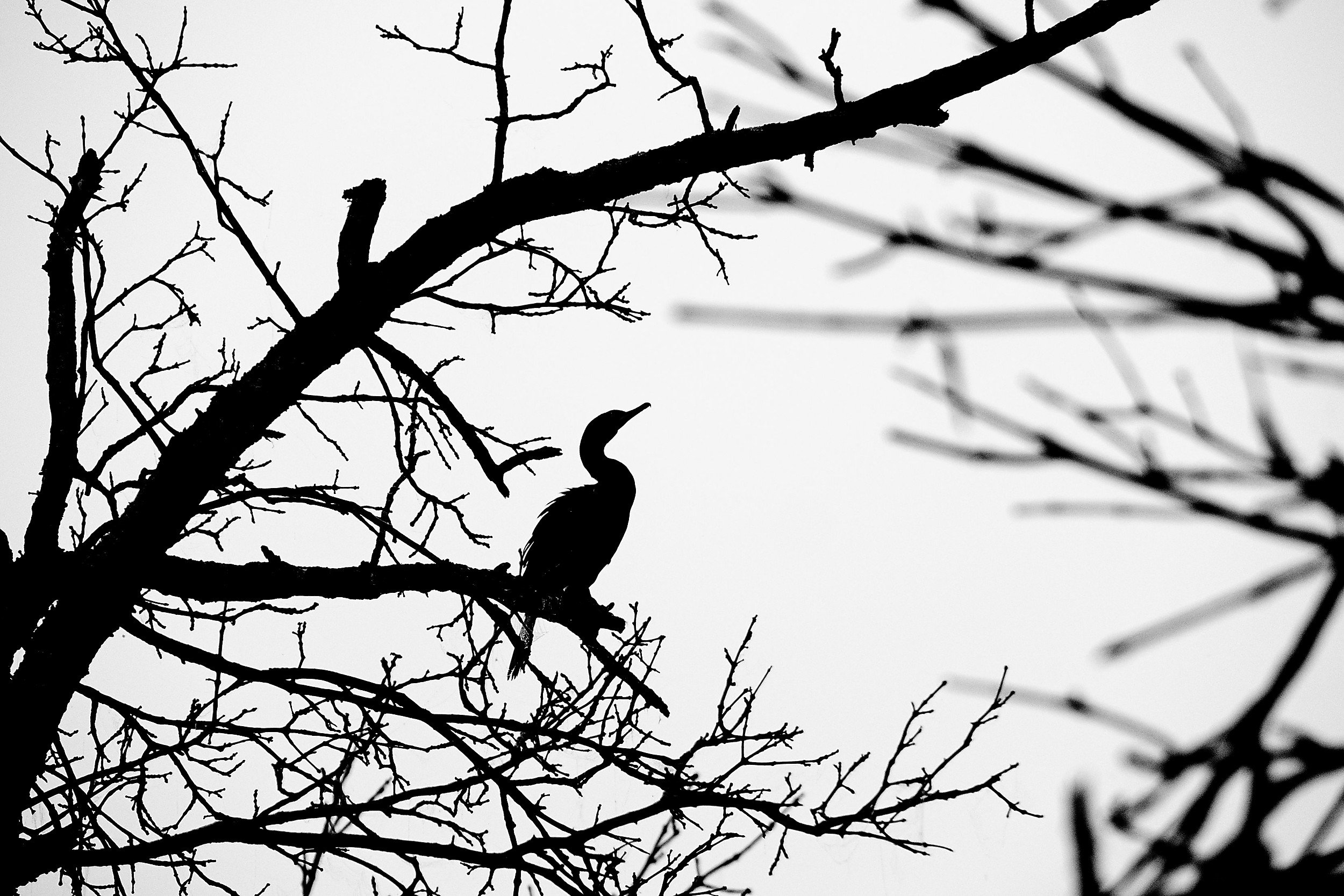
My initial objective was to capture the moment when the sun would start clearing up the fog, creating that incredible golden shine I had seen here before under similar circumstances. However, As it happened, the fog was very dense, and the sun didn't show all day. I, therefore, changed my intent and used the whiteness of the mist to create the contrasty black-and-white images I am sharing here.

I edited the raw images in ON1 with some basic adjustments:
basic image enhancements
converting to black and white
increasing the 'whites'
increasing contrast
While I could not create the images I originally had in mind, I am pleased with the final result.
Conclusion
Round Lake, NY, is a hidden gem that has captivated photographers and nature enthusiasts for generations. Its rich history, natural beauty, and the magic of early morning fog make it a truly remarkable destination. As a landscape photographer, I have had the privilege of capturing its essence during this foggy morning, which left me with a deeper appreciation for the timeless charm of this serene oasis.
Round Lake's history, from its indigenous roots to its role as a spiritual retreat and educational center, is a testament to its enduring significance. Its location near the Adirondack Park Preserve ensures the preservation of its natural beauty for future generations to enjoy. And the fog that envelops it during the early hours of the day transforms it into a realm of enchantment, where every photograph becomes a work of art.

As I continue to explore Round Lake and document its ever-changing beauty, I am reminded of the importance of preserving such natural treasures. Through photography, we capture the essence of these places and inspire others to appreciate and protect them. With its rich history and captivating fog, Round Lake will remain a source of inspiration and wonder for those seeking the natural world's magic.

The Trinity Is No More
One Camera Is Gone, And It Is Probably Not The One You Would Expect
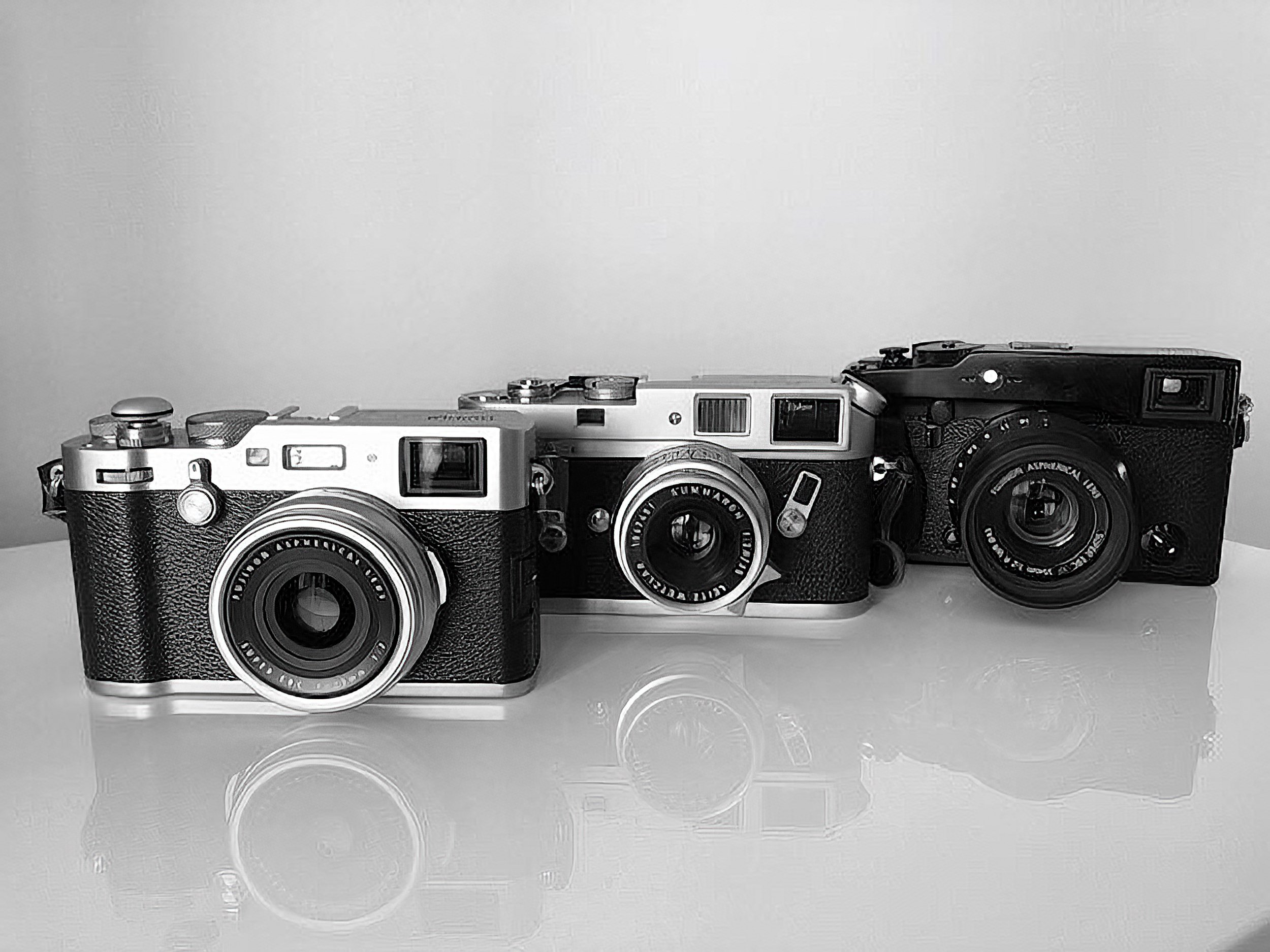
In 2019, I was fortunate to obtain two new cameras that were an excellent accompaniment to my Fujifilm X-Pro 1 and supplemented each other: a new Fujifilm X100F and a used Leica M4.
As I wrote, these three cameras became my Trinity.
One Camera Is Gone, And It Is Probably Not The One You Would Expect
In 2019, I was fortunate to obtain two new cameras that were an excellent accompaniment to my Fujifilm X-Pro 1 and supplemented each other: a new Fujifilm X100F and a used Leica M4.
As I wrote, these three cameras became my Trinity.
The X-Pro 1 was going to be my exchangeable-lens camera for when I wanted to create images with wide-angle (broader than 35mm full-frame equivalent) or longer lenses.
The X100F (with its 35mm full-frame equivalent lens) and the Leica M4 (with its 35mm Summaron) would be my daily go-to cameras, depending on whether I wanted to shoot digital or analogue.
This setup worked well; I created many street and social documentary-style images and essays with these three tools.
And now I broke the Trinity up.
What happened?
Did one of the cameras break? Did I not like any of them anymore?
Fortunately, none of those.
One of my daughters went to study abroad in September of this year and wanted to take a real camera with her. Although she has the ubiquitous iPhone, she wanted a real camera (insert dad doing a happy dance).
After researching several alternatives and the cost involved, I decided that I was going to give her the X100F.
Yup, I parted with this lovely camera to give my daughter an excellent tool and a fantastic shooting experience.
It is easy to set the Fujifilm X100F up as a 'point and shoot camera, and if she wants to go manual, that is still a possibility.
So there you have it: the X100F is no longer part of my daily toolkit.
While my daughter was thrilled with this decision - and she is making great memories with the X100F in Bonny Scotland - it gave me a challenge and an opportunity.
Without the X100F and its 23mm lens (35mm full-frame equivalent), I no longer had a direct digital match to the 35mm Summaron on the Leica M4. Because the only lenses I had for the X-Pro 1 were a Fujinon 18mm/1.2, a Fujinon 35mm/1.4, a Fujinon 35mm/1.2 XF, and a TTArtisan 50mm/1.2.
All great lenses, which I still use today, but none of them are a direct match to the 35mm angle of the Summaron.
Enter the TTArtisan 23mm/1.4
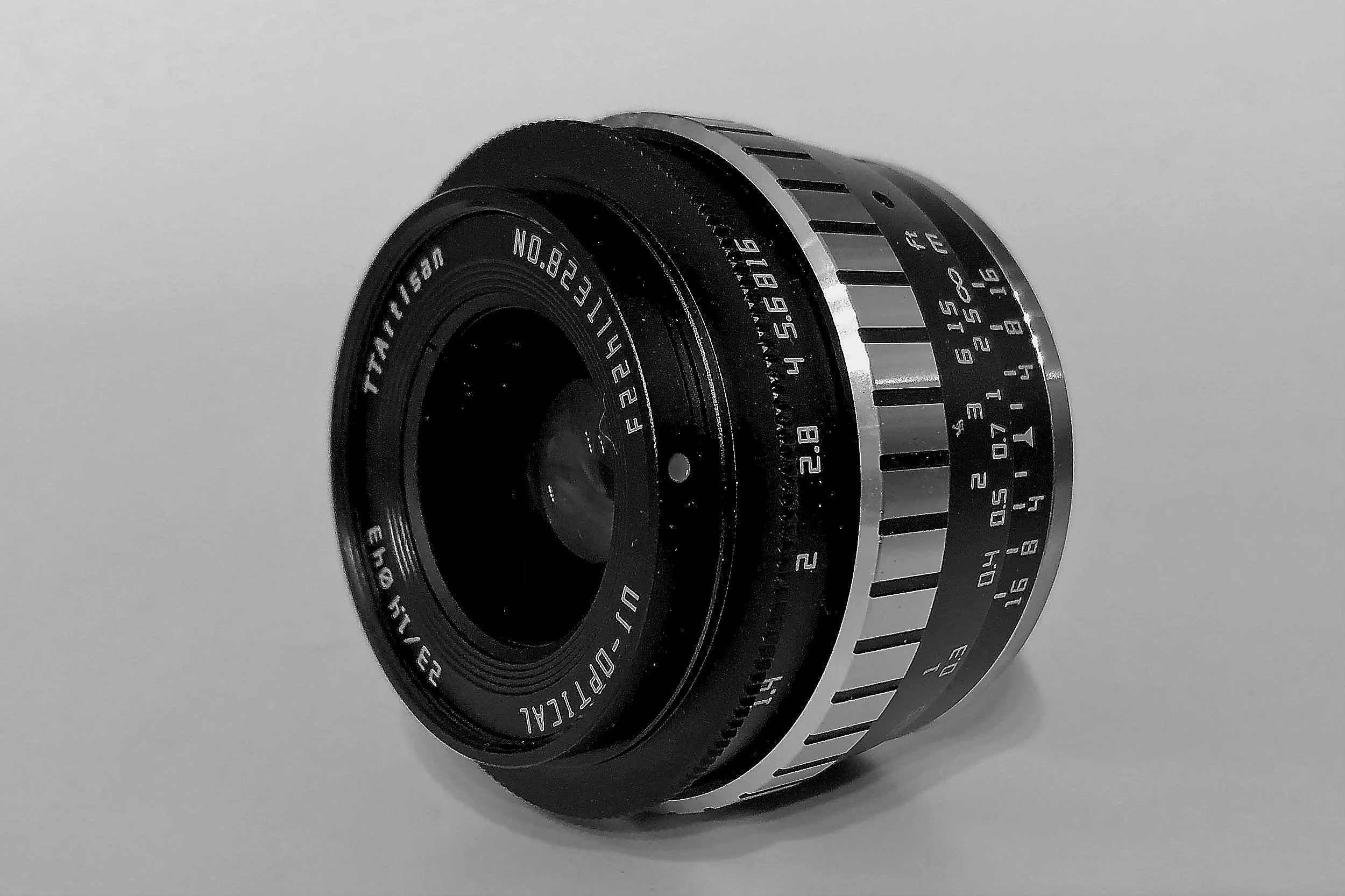
After some deliberation and research, I decided on this lens for several reasons.
It is extremely reasonably priced.
It is small.
It has a nice, solid feel to it.
It balances nicely on the X-Pro 1.
It looks cool.
And most importantly, it delivers excellent image results.
Considering this, I couldn't find a lens with a better price/quality ratio.
And there is another spec to this lens, which for me is essential: it has a distance/aperture scale which allows for zone and hyperfocal focusing! Unfortunately, the only Fujinon 23mm lens with this feature (the 23mm/1.4 R) is just over seven times more expensive.
[note: I have no affiliation with TTArtisan or Pergear, and I purchased this lens myself]
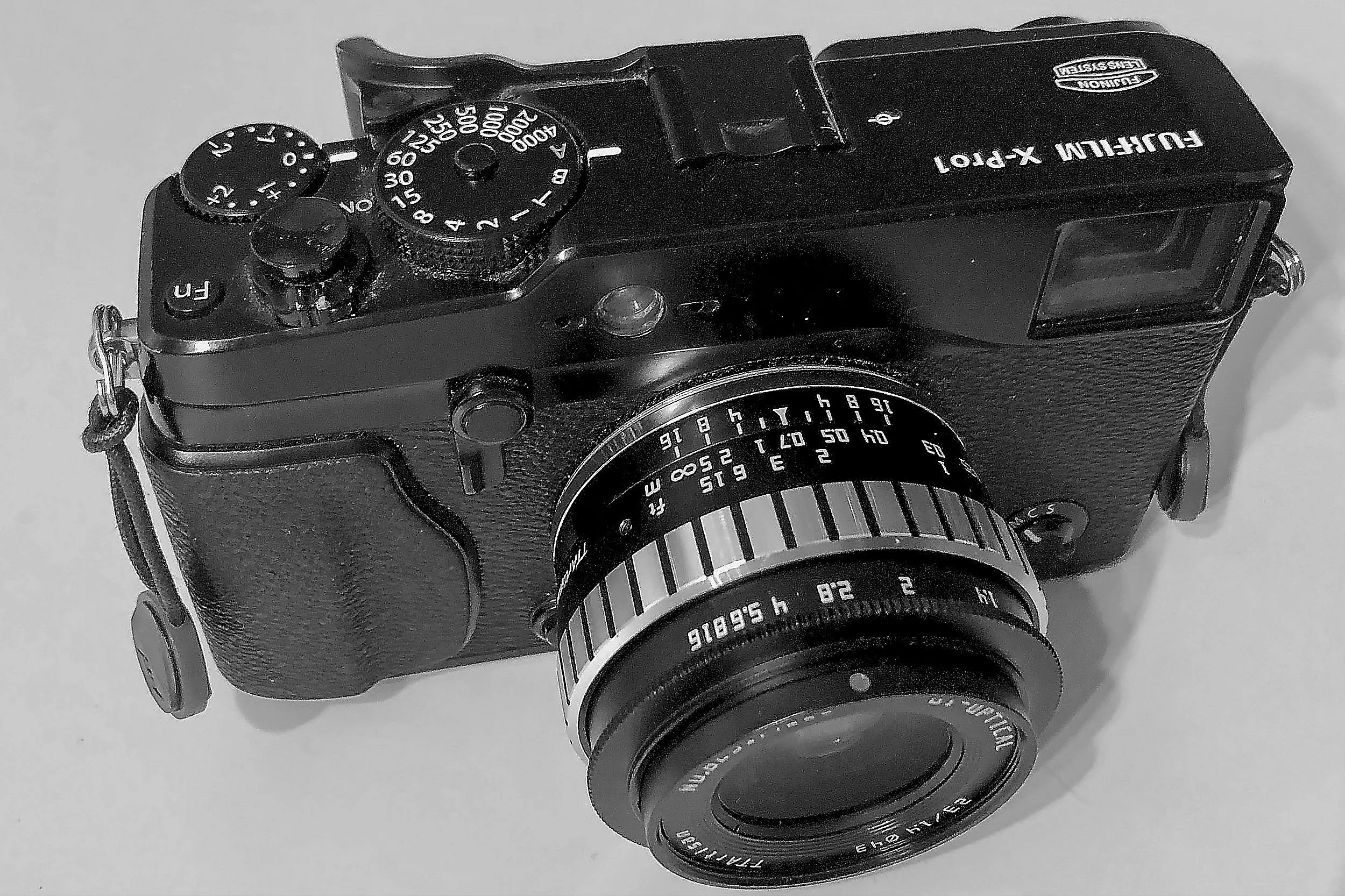
So now I am back to two daily cameras: the Leica M4 with the 35mm Summaron and the Fujifilm X-Pro 1 with the 23mm TTArtisan, which makes life also a bit easier because I don't have to choose between three cameras when going out on the street.
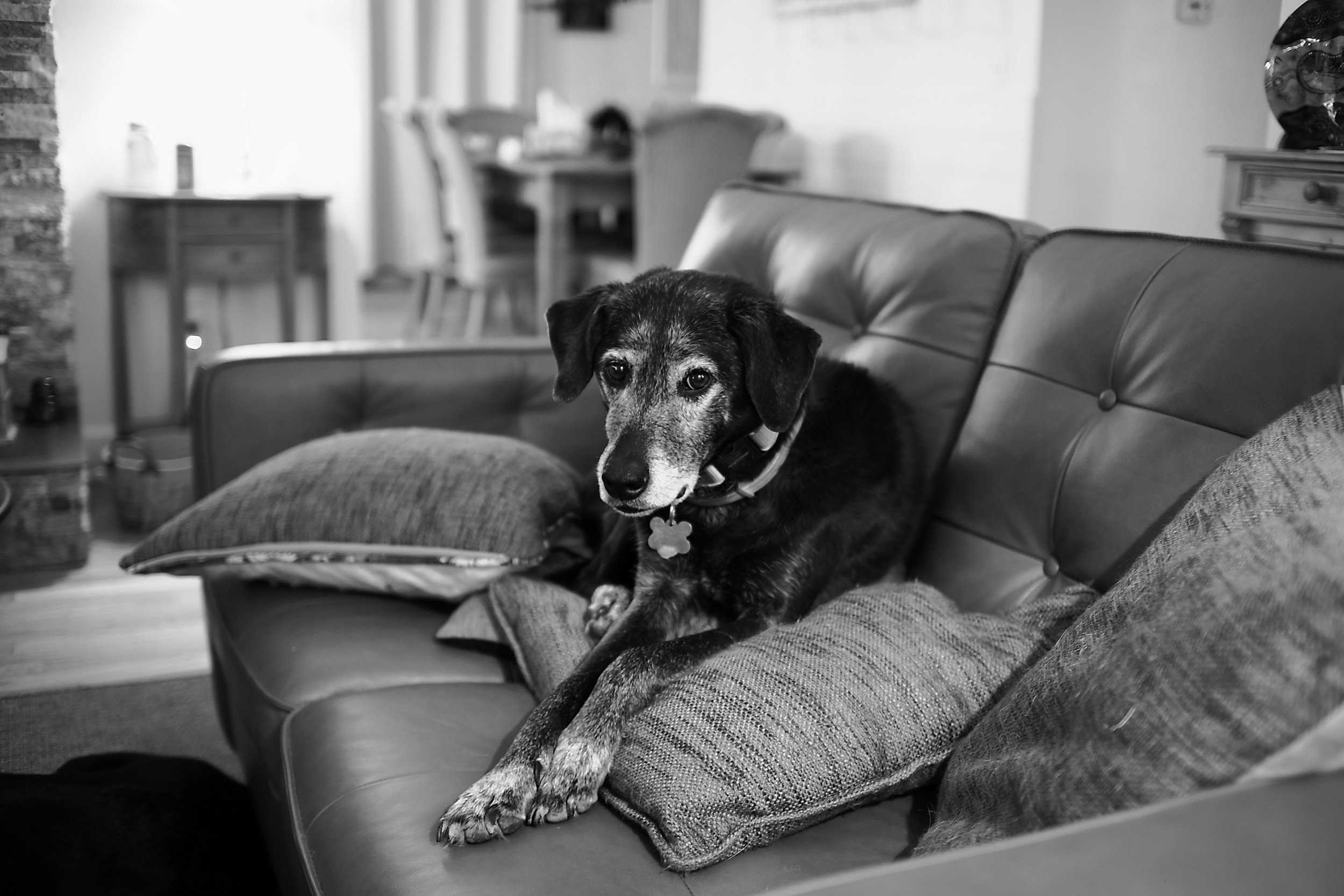
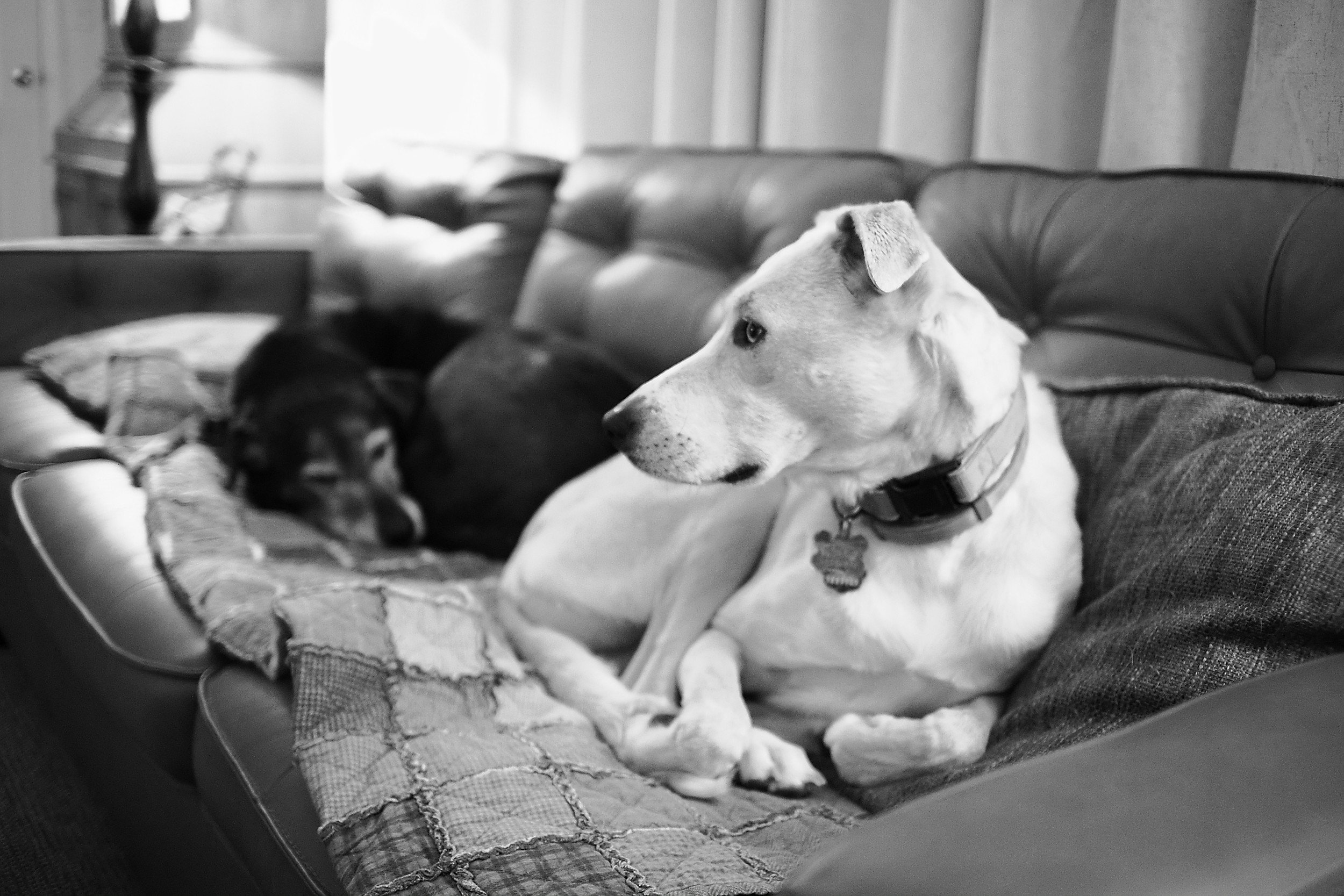
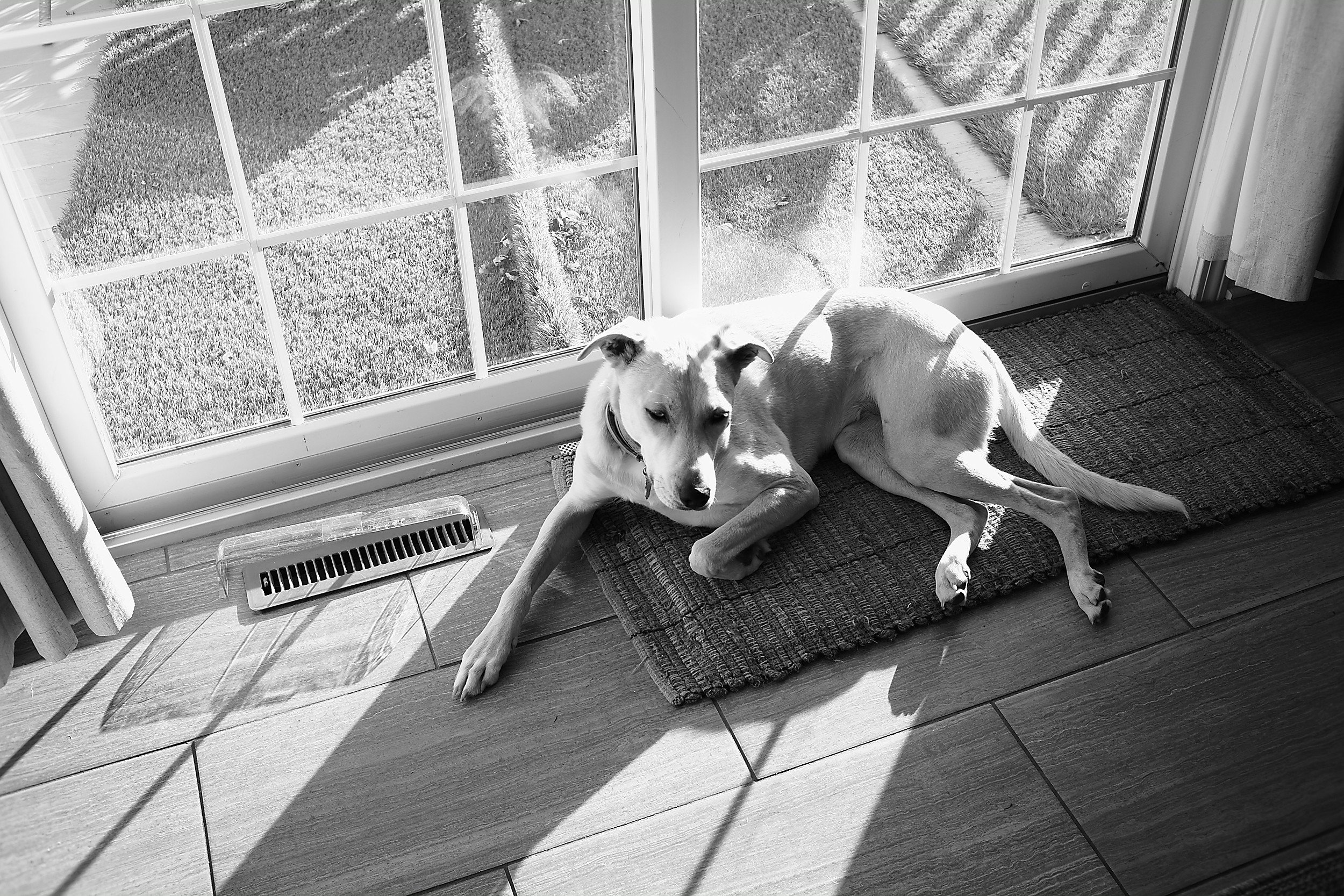
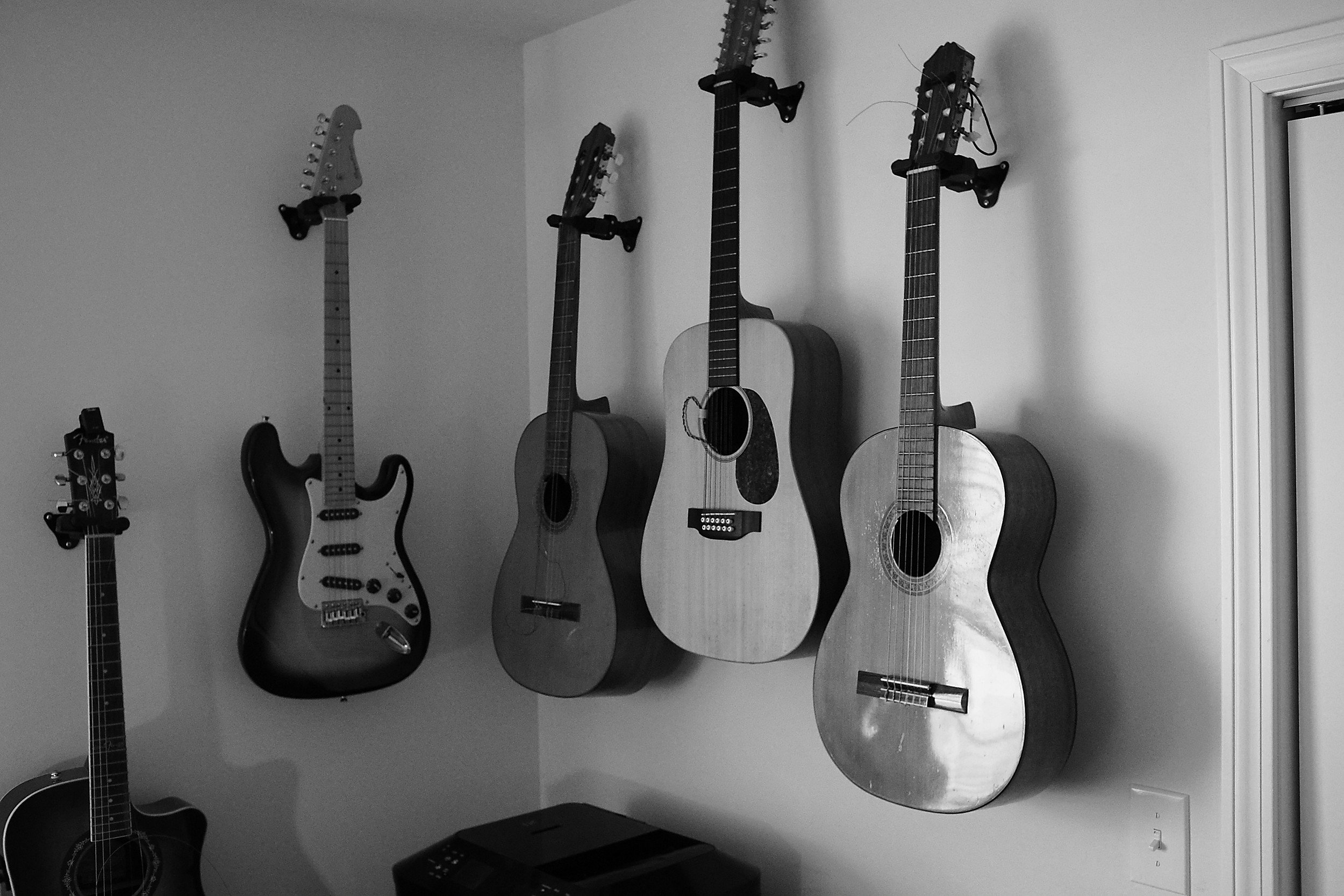
The images below are the first results of shooting with the TTArtisan 23mm (all are SOOC jpegs).
Admittedly, there is some learning curve since the lens is fully manual and does not communicate with the camera. I am finding, however, that the use of this lens is not much different from using the Summaron (all Leica devotees now probably are shaking their heads and un-friending me). And zone focusing even allows me to get great results using the X-Pro1's OVF.