The Smoke That Thunders
The Smoke That Thunders
water falling…
The Smoke That Thunders
water falling
thunder creating
mist

Gawain's Bane
Gawain's Bane
Living bewildered in the wilderness…
Living bewildered in the wilderness
Seeking, seeing, knowing
Cernunnos, Lud, and Silvanas

Fertility
Going through the never-ending cycle
Death and rebirth
Hatari Safari
Shooting Wildlife in South Africa's Parks
I love to go on a safari and shoot some animals...
Shooting Wildlife in South Africa's Parks

I love to go on a safari and shoot some animals...with my camera.
One of the perks of living in South Africa is having the opportunity to visit the many wildlife parks and go on a Safari. Something my family and I did a couple of times when we lived there in 2010 and 2011.There is an abundance of choice and type of parks. From the smaller and boutique luxury ones like Madikwe, to the medium size parks as Hluhluwe, Pilanesberg and Sabi Sands. And then of course the Mother-Of-All-Parks: Kruger National Park. Each of these having specific charms for their visitors.
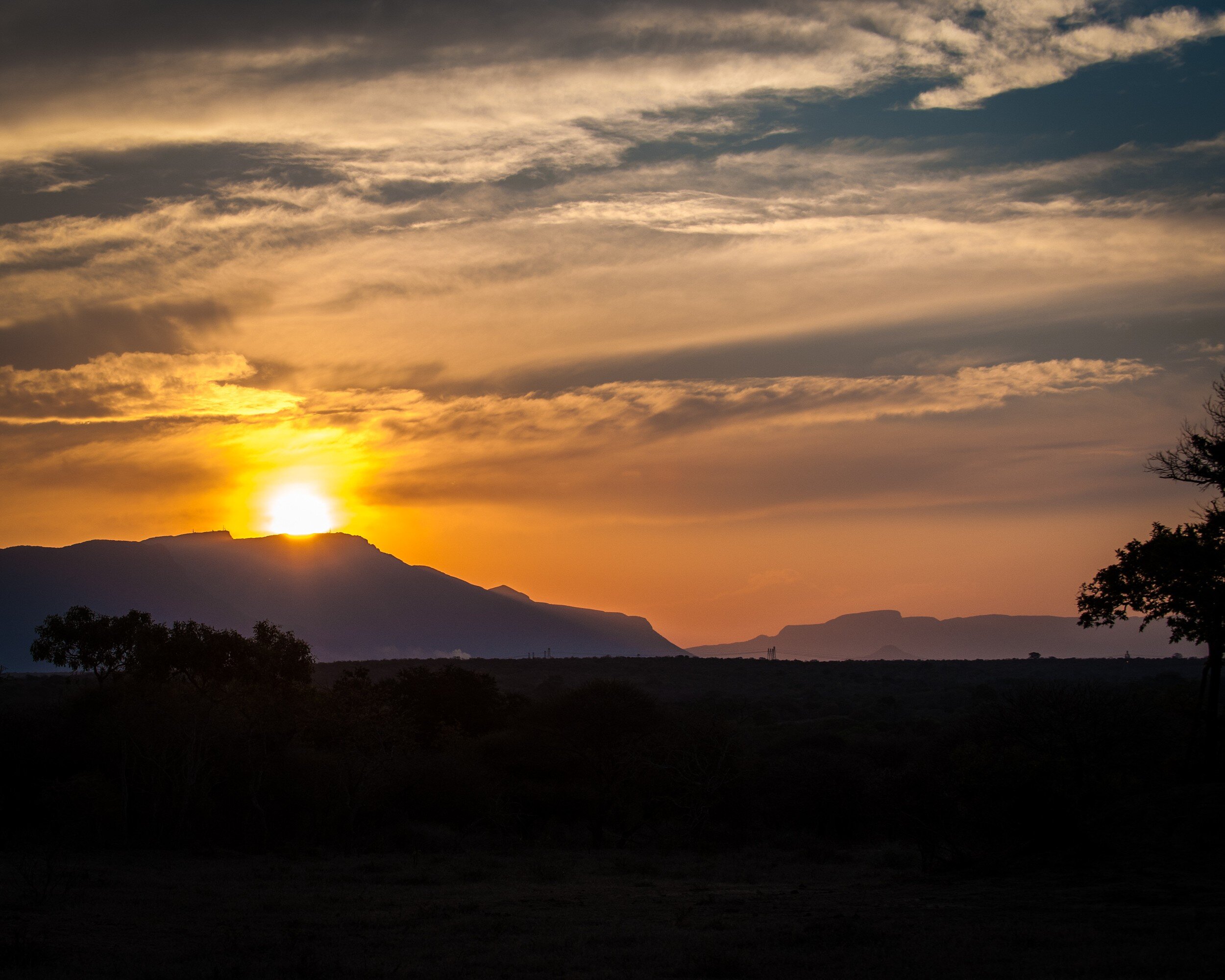
While for visitors life at a wildlife park consists of leisure time, and seeing the big five (African elephant, black rhinoceros, Cape buffalo, African lion, and African leopard) and other animals, we should not forget that there is a lot of work involved maintaining these jewels. Some of this work has been very nicely - although romanticized of course - depicted in the television show Wild At Heart. Unfortunately a major ongoing concern for maintaining these parks is the ongoing fight against poaching.

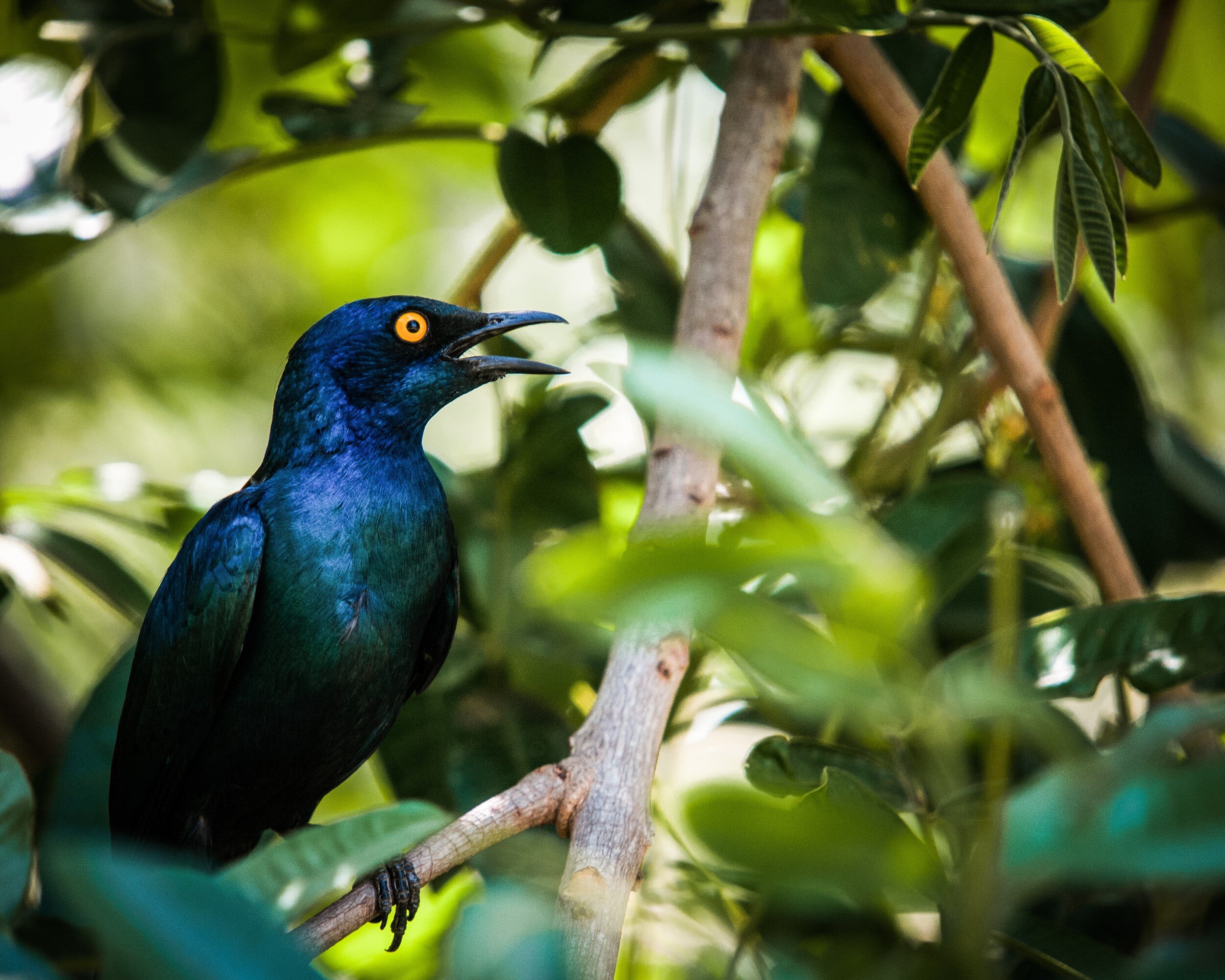
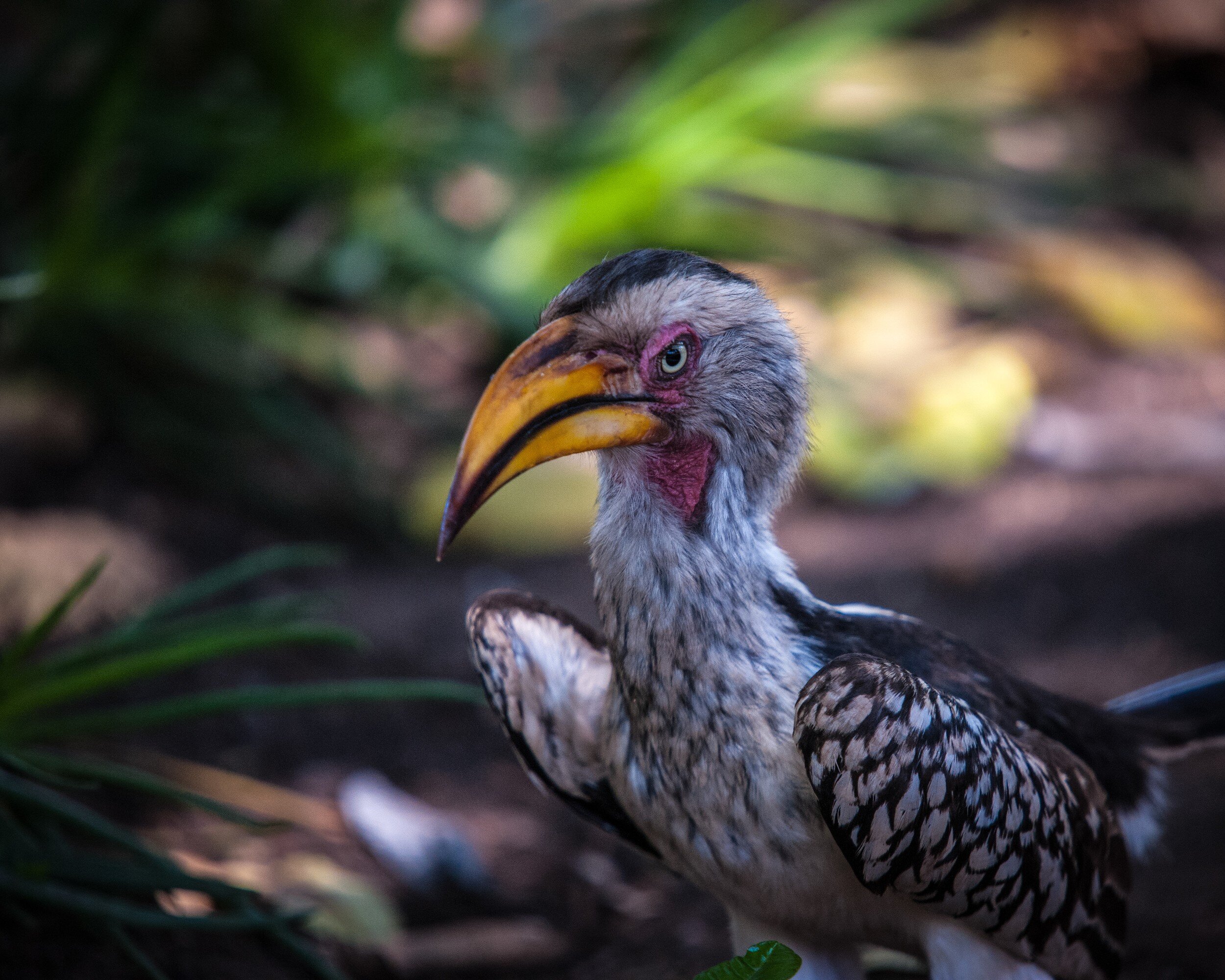
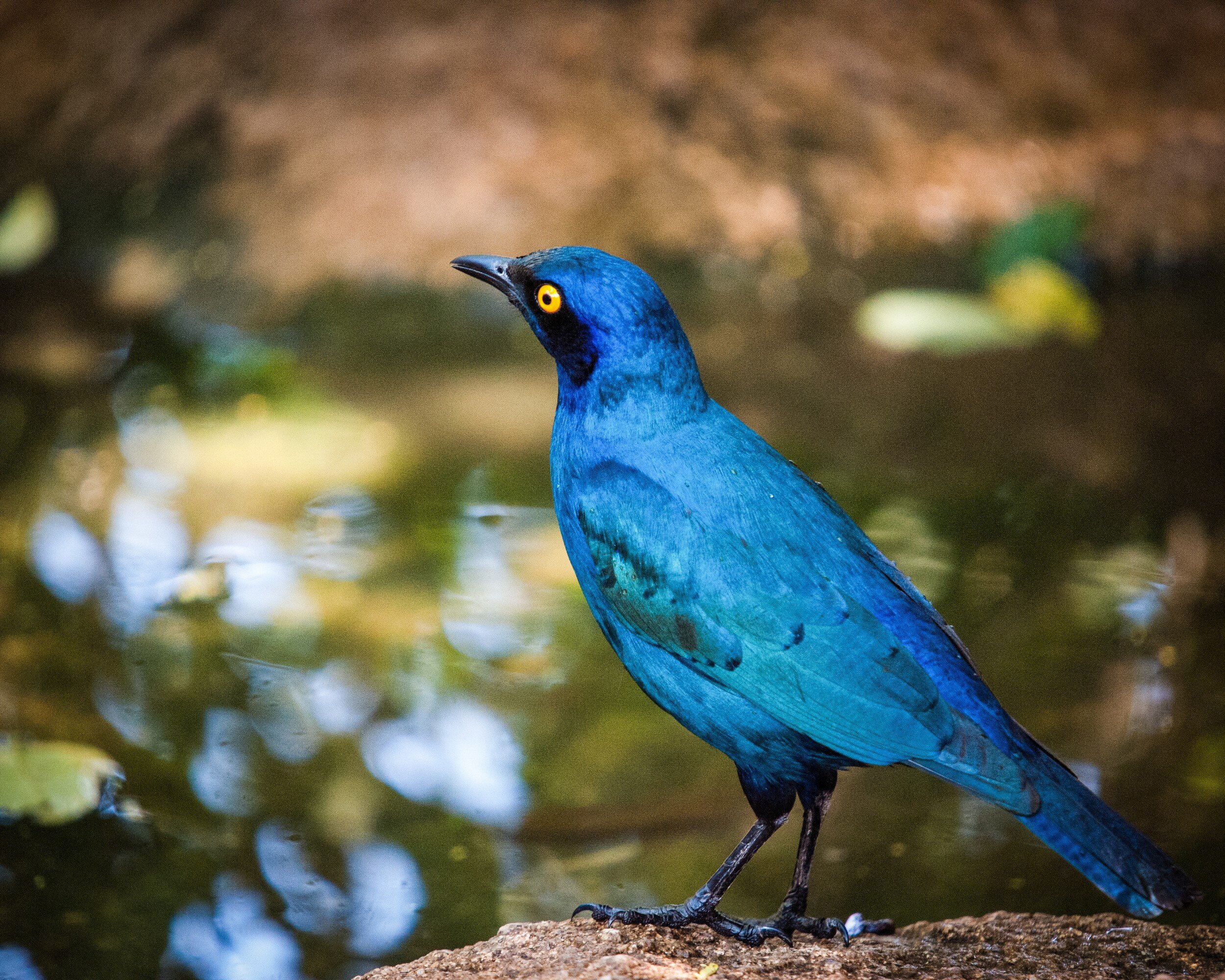
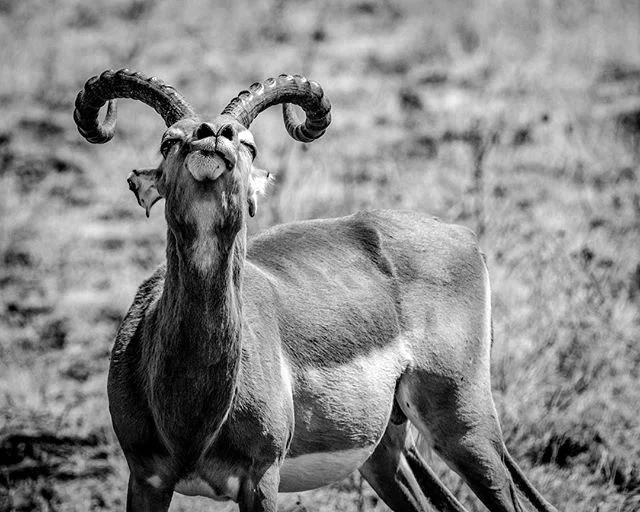
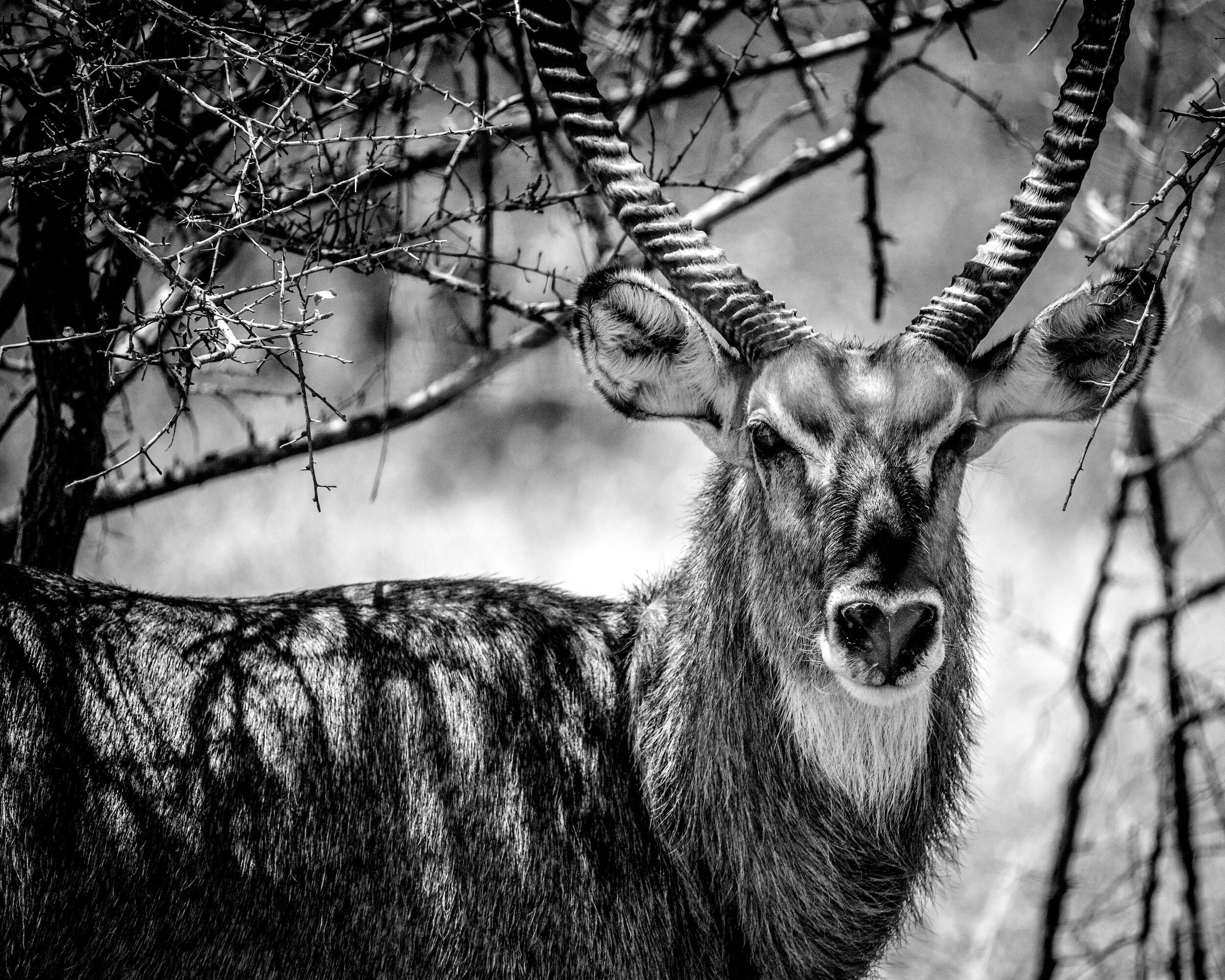
The images below have been made during several visits to different parks and show the abundance and diversity of (wild) life in South Africa. Hint: the Big Cats are at the end!
Birds

Giraffe

Buck (Bokke)
Zebra


Elephant
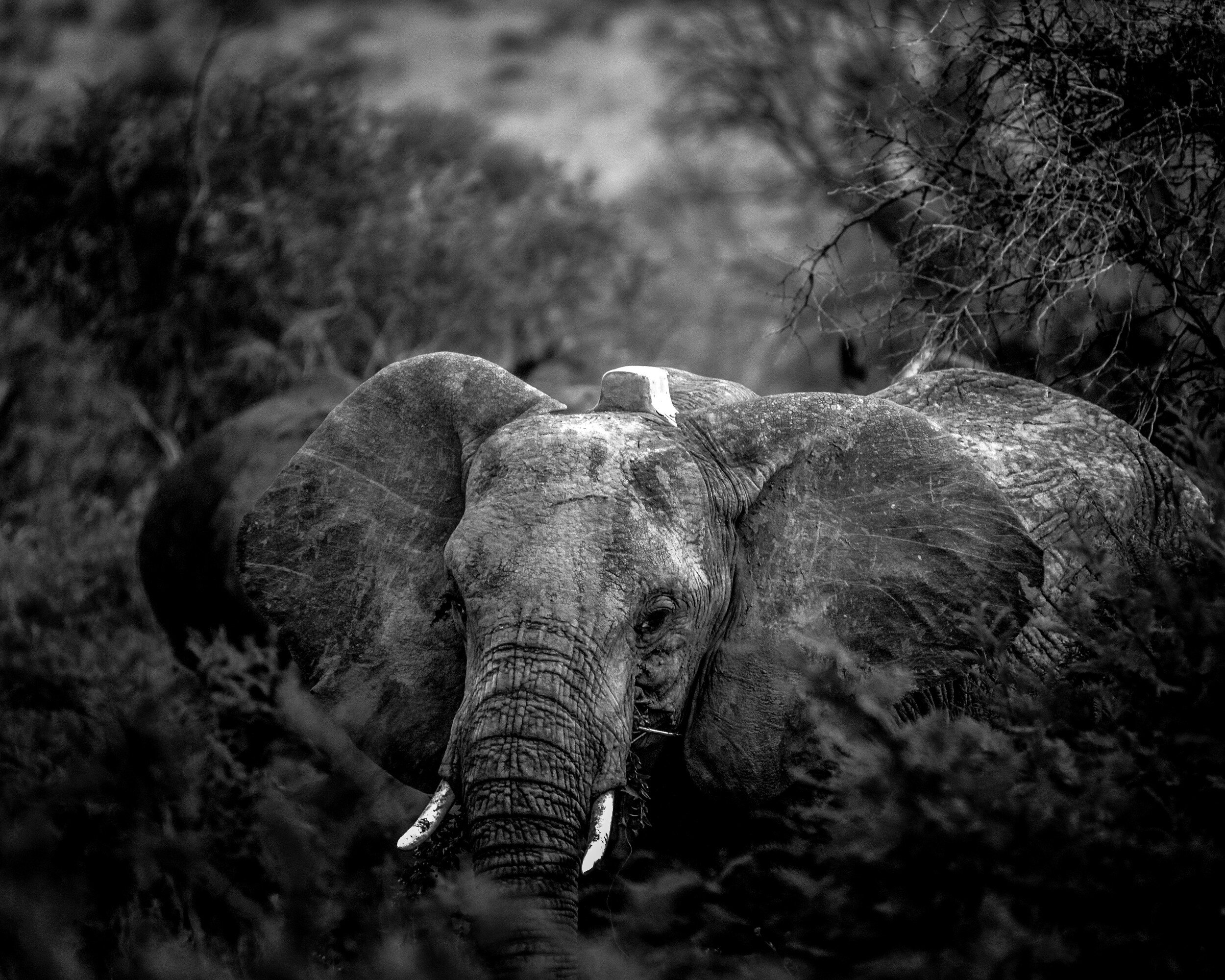


Lion


Lost Flower
Lost Flower
orange yellow green…
Lost Flower
orange yellow green
resting on an old tree stump
turning to brown too

What Is The Role Of A Photographer?
To Show What We Are Unable To See
In an attempt to define my 'niche' in photography, I asked myself "what is the role of a photographer?" Browsing…
To Show What We Are Unable To See
My Journey
In an attempt to define my 'niche' in photography, I asked myself "what is the role of a photographer?" Browsing through some old albums with pictures I made when in high school and looking back at the pictures I made during the last 15 years, I suddenly realized that my real passion is to tell stories. The albums are filled with attempts to create 'realistic' images of plastic ship and aircraft models, 'creative' pictures of railroads and buildings at weird angles, and images 'documenting' the old coal mine and other buildings in our village; all accompanied by short narrative sentences. Looking at more recent images this realization only became stronger: moving from general landscape, wildlife, and city scape shots my images are evolving towards images focused on detail, situations, and series of images that relate to each other in.....stories.
A Revelation
By pure coincidence and with perfect timing I stumbled on a quotation attributed to Anais Nin: “The role of a writer is not to say what we can all say, but what we are unable to say.” This made me realize that this is exactly how I see my role as a photographer. It also made me see what I try to achieve: not only creating fine art images, but using images to tell stories.
Telling stories, not to show what we all can see, but what we are unable to see:
Because we are not looking;
Because we don't want to look;
Because we look but just don't see it;
Because we look but don't want to see it.

My Goal
It is my objective to share a rendering of an object, a person, or a situation, looked at with a photographers' eye and vision. Sharing and explaining my vision with stories that point out beauty where we typically won't recognize it, with stories that put the finger on things we might not want to see. With stories that sometimes are tongue-in-cheek, sometimes even sarcastic. But always stories that share what I envisioned within the rectangle of the viewfinder and implicating what could be outside that rectangle. And to be honest: while most of the time I take images with a story in mind, I too sometimes only see the story afterwards.

The Tools Of The Trade
Creating stories means sharing my images with an intention: guiding you, my audience, towards an explanation of what you see. To accomplish this I use three distinct formats: Pic Tales, Haiku, and Photo Essays / Editorials.
Pic Tales
These are short stories and poems with images that provide the audience with a pre-conceived viewpoint, guiding the viewer towards an image of reality as I perceived it. Although I want to direct towards a certain feeling, atmosphere, emotion, or point of view, I also want to encourage the audience to develop their own. The viewer should be challenged to see my point, and agree or take an opposing point of view. The audience should ask themselves why I linked these specific words to these pictures.
I am telling the story and provide the images, but the viewer needs to see, read, feel, and make their individual interpretation.

Haiku
The critique for one of my entries to the 2015 Artists Guild Gallery of Greenville juried small works exhibition (the one that got me an honorable mention) observed that the image reminded the juror of wabi sabi. At that moment I had no clue...
Intrigued by this feedback, I did some research on wabi sabi, and discovered the very interesting video In Search of Wabi Sabi With Marcel Theroux. This video and the concept of wabi sabi led me to explore more about Japanese imagery and culture, which led to discovering Haiku. Although I sometimes use poems for Pic Tales, Haiku are so specific and appealing that I capture these on a specific page after publishing on my blog. The objective I want to accomplish with each Haiku is to combine it with only one image to provide the viewer a very specific experience.

Essays and Editorial
Although there are differences (photo essays having no or only limited textual guidance, leaving the viewer to create their own narratives and conclusions whereas with editorials the main focus is on the text, supported by selected images) I grouped these together because in essence they represent to me a similar way of sharing my views. To be honest, this actually is for me the most difficult way of storytelling: they have to be planned beforehand (remember I mentioned above that I too sometimes only see the story after taking the pictures?). And basically the images - especially for photo essays - (need to) speak for themselves.
Conlusion
I hope the above explains a bit the "why" and "how" of my images, and what I try to achieve. My photographic journey has not ended, probably has only just begun. But now I not only have curiosity as my road map, I also have found a destination: "The role of a photographer is not to show what we all can see, but what we are unable to see".
The Preacher
The Preacher
Look at them…
The Preacher
Look at them
They have no clue!
They need him to explain, to lecture, to guide
And he knows!

They come to hear him every week
The sinners!
Sometimes they talk
But why should he listen?!
He knows better

Proverbs 18:2 A fool finds no pleasure in understanding but delights in airing his own opinions
He will tell them what to do!
He doesn't need to hear them
As long as they listen to be saved!
Old World Charm
Old World Charm
What is it about old cities that makes us long to visit?
The narrow streets, sheer…
Old World Charm
What is it about old cities that makes us long to visit?
The narrow streets, sheer impossible to navigate by car?
The castles, reminding us of noble maidens and heroic deeds?
The majestic churches and squares coated with a patina of culture?
Or is it just the old world charm feeling of time made stand still?
Whatever it is I and, as it seems from the crowds I encountered, many other people are attracted by and drawn to the old cities and villages of Europe. While each of the European countries has its own gems (Amsterdam, Maastricht, Paris, London, Prague, Brussels, Bruges, just to name a few), for me the quintessence of this old world charm is embodied in the cities and villages of Italy and Spain.
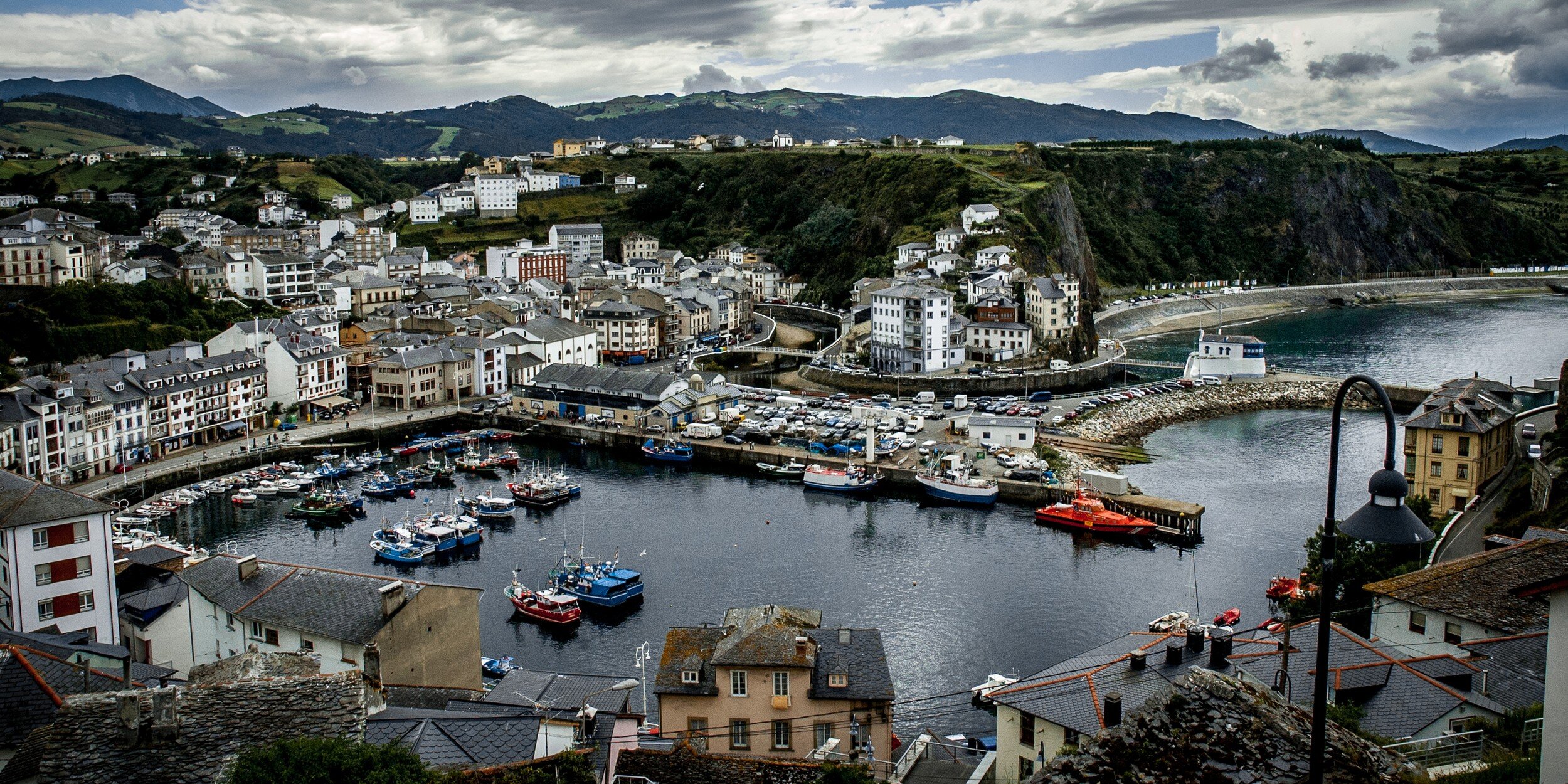
Having traveled through Italy and lived in Spain, I had the opportunity to visit several of the famous cities and some of the less documented places of these countries. The images below capture the impressions I described above; deliberately reproduced in black in white because that best reflects that intangible old world charm feeling I so much enjoyed.
ITALY


SPAIN


Further Info
The pictures above can be viewed at larger sizes and purchased on the Portfolio>4:5 B&W only page
A 38 page magazine size photo book with these pictures can be purchased on the Books page
Did you enjoy this post? Sign up below and get stories like this delivered to your inbox as soon as they are published
Spring Flowers
Spring Flowers
spring…
Spring Flowers
spring
a colorful blanket shivers
in the early morning air
The Vintage Car Club
The Vintage Car Club
Chrome Reflections…
The Vintage Car Club
Chrome Reflections
Spoked Wheels
Polished Wood

Middle Aged Men Conversing
...my twin carburetor
nice paint job...

Tarmac Nostalgia
Champagne During Golden Hour


The Carpenter
The Carpenter
Lovingly he caresses his tools…
The Carpenter
Lovingly he caresses his tools
The image in his mind is to come alive

His dream of greatness
Creating
Carving
Craving for fulfillment

Then steel cuts into wood

The Miller
The Miller
Round, and round, and round, and round…
The Miller
Round, and round, and round, and round,
the wheels are grinding
and the ground
grain fills the air with dust

It is just
if the wind is talking
and telling a tale
the wooden wheels are turning
and churning
the miller's tale

The Prisoner
The Prisoner
Outside is light…
The Prisoner
Outside is light
Freedom
What brought me here?
Can't remember
Stupidity

If I only was tall enough to reach it
Then I could see more
At least there is the sky
Look, a bird!
She's free
The Parking Attendant
The Parking Attendant
Good morning sir!
The Parking Attendant
Good morning sir!
Yes, it is broken

Please let me put your ticket in
There you go, it opens
Have a great day!

At The Pool
At The Pool
Deck chairs in a row…
At The Pool
Deck chairs in a row
Inviting her to lay down
To be admired

The hot sun scorching white skin
Waiters with cocktails
Tiny umbrellas making cubes tinkle
Reflections from the pool
White and black patterns
Dizzying, confusing

Too hot to move
White hurts the eye
Even the water is warm
The Whaler
The Whaler
Standing upright in the small boat, his eyes searching…
The Whaler
Standing upright in the small boat, his eyes searching
They spotted the pod from the big ship
Now it is up to him to bring the treasure home
This is the moment he has waited for
This is the moment he longed for in his dreams

The harpoon in his hands feels like Poseidon's trident
Where is Leviathan?
Where is his foe?
Suddenly the waters start to roar
The rowers increase their speed
There she is!

He raises his weapon, ready to strike.

Then he sees her eye
Struck with sadness
Grief fills his heart

The harpoon is lowered
A mighty tail waves goodbye

Opinion: Do Not Use LightRoom Presets
3 Important Reasons To Not Use Lightroom Presets
Have you ever looked at a picture and immediately knew who the photographer was? Do you recognize the images of Ansel…
3 Important Reasons To Not Use Lightroom Presets
Have you ever looked at a picture and immediately knew who the photographer was? Do you recognize the images of Ansel Adams, Henri Cartier-Bresson, and Sally Mann? All great photographers have their own specific style, which makes their images immediately recognizable. This style is influenced by and achieved through several components: the artist's vision, choice of subject matter, camera (and when analog: film) used, composition, the use of shutter speed and aperture, and the way the images are being developed and printed.

Today most photographers, even when using film to capture their images, do their final developing in programs like Lightroom. To make this process easier, quicker and more consistent, development presets are very convenient to use. They also can be shared: there are many Lightroom presets available on the market place.
And to be honest: some of those are really awesome. They enable you to turn your images in stunning pieces of artwork with just one click. In this post however, I am sharing three compelling reasons why you should not use developing presets when enhancing your images.

1. Aim at getting the effect you want in-camera
Presets will not fix bad pictures
Let's start with getting one thing quite clear: presets will not fix bad pictures. If you have an image that is out of focus, blurred, or extremely over or under exposed, presets will not help you to fix any of these and make it a 'good' image (unless of course it actually is a 'good' image because you did one or all of these on purpose since it is part of your style).
Whatever style you are shooting and whatever you want to accomplish with your final image, make sure you start off with creating a proper base to work from. Choose the right white balance, shutter speed, aperture, and focus that match your vision. Having a good base to work from will save you more time in processing than any preset will do.
Learn what your camera can do
Creating a proper base image in-camera has an additional benefit: it will help you to learn what your camera can do. This not only will provide you with the knowledge and experience needed for properly operating your camera. It also will help you to gain confidence: the camera in due time will become an extension of your body, and you will always be prepared to take the shot when the opportunity presents itself to you.
Presets are based on the developers' style and equipment
Something else to take into consideration at this point, is that presets not only are based on the developers' styles, but also on their equipment. Different brands of cameras and lenses render images differently, and with scanned film we add the complexity of film and scanners used. Your image source (camera, lens, film, and scanner) might be completely different from the developer's, which will impact the way the preset will affect your image.
Real filters are better than Lightroom effects
A final reason to create the effect you want in-camera is that in my experience real filters are better than Lightroom effects. Yes, you can balance exposure by using the graduated filter effect, and you can darken the sky by using the color sliders. But try and use a real graduated neutral density filter or a polarizing filter while taking the picture and you will see the difference. And keep in mind that being able to use these effects in Lightroom is nice, but not having to saves time!

2. You are passing on an opportunity to learn Lightroom
Just using pre-cooked settings doesn't learn you anything
Assuming you created good images in-camera to use as a base for further developing, there usually still are some things you want to change to accomplish images that match your specific style. And while presets might seem a quick and easy way to make the adjustments you are looking for, just using what someone else created doesn't learn you anything. Each preset is a fine-tuned combination of several developing settings that accomplish a total effect. By just clicking the preset your picture will change, but do you understand why and how? Would you be able to recreate the same changes to your pictures if you would have to do it yourself? Would you be able to change your camera settings to create the same effect in-camera, or to create a base image that would need less tweaking?
Learn from your mistakes
And what if you had it wrong in-camera? It probably never will happen...but, what if...? As mentioned above, presets probably are not going to save you. But using a preset is probably worse than going into the details of Lightroom and making manual adjustments. The preset might enhance your image a bit, but do you know why? Making the adjustments manually does not only show you how to 'fix' image problems: it also will help you to understand what the problem is and how to prevent it when you are going out and take your next pictures.
Experiment
How do you know what changes you want to make to your images that reflect your vision and style? Just applying presets will result in a cookie-cutter approach without thinking. Experiment: go into the details of Lightroom and discover what works for you and what not. And keep in mind: every image you take will be a bit different, and might need some other changes to match it to your vision and style.

3. Whose image is it anyway?
Will it be your image or the preset creator's?
You probably have a vision of how your images should look. So you go out there, making sure you create the best exposed image as possible in-camera: carefully taking care of composition, white balance, focus, shutter speed, and aperture. And the next thing you do is importing your image in Lightroom, and with one click adapting it to a style that has been developed by someone else.
Wow!
Imagine the following: Pablo Picasso having some idle time creates a quick painting of a young woman sitting in a chair. He doesn't really like how it looks but doesn't want to spend much time to make it better. He gives it to Salvador Dali. Dali takes it and while keeping the general outline of Picasso's drawing creates a beautiful painting from it. So what do we have here now: a great Picasso with some Dali enhancements? Or is it actually and will people recognize it as a Dali? Get the picture? (pun intended)
Create pictures in your own style
While looking at other photographers' images is a great way to learn and to develop your own style, you probably do not want to become a copy-cat. And that is just what using presets might lead to. I encourage you to dive into the Lightroom manual, learn how everything works, and use that knowledge to create pictures that show your own style and vision.

Okay, now go ahead and use presets. But do it right
What? But you just said do not use presets!?
Yes. I just made a case for not using presets. But let's be honest: using presets saves time, and it also supports consistency. Presets can help you to create a portfolio of images that display a consistent application of your creative vision. The trick however is to use presets for the right reasons and in the right way. Don't use presets to have a quick fix for your image problems, or to copy a certain style.
Presets can be great sources for inspiration
I encourage every photographer to visit museums, exhibitions and websites, and to read photo books and biographies of other photographers. They are great sources for inspiration and will help you to define and develop your own photographic vision and style. For the same reasons I do encourage you to look at, and even purchase, presets developed by other photographers. These also can provide inspiration and guide you defining and developing your vision.
Presets can be great starting points
Although I keep warning for blindly using whatever presets are available, they can be great starting points to create images that align with your vision and creative goals. You however need to look into the details of the presets you use, and change them to meet what you want to accomplish. And that brings me to the next benefit of using presets.
Learn from it, understand what was done
When you have presets installed, prior to using them look into their details. Check what sliders have been changed. Look at other changes that have been applied; for example sharpness or vignette. Learn from what the developer has done and use what you learned, to tweak the preset to meet your requirements, or to develop your own presets. This leads to my final reason to actually use presets.
Develop and use your own presets
When you know how to create great images in-camera, when you understand how Lightroom and presets work, and when you learned how presets can help you achieve your photographic vision and style, you should consider developing and using your own presets. Creating your own presets is fun and provides another great learning opportunity. You can develop your presets using someone elses presets as a base, or you can create them totally from scratch. How to do this will be something for a future post.
Share your thoughts
What do you think? Are presets a blessing or a curse? Do you use them? Have you developed your own? Share your thoughts and opinions in the Comments section below.
The Driver
The Driver
She was beautiful…
The Driver
She was beautiful.
She still was beautiful.
Lovingly his hand caressed her black curves.
Sixty years.
Sixty years already?

He remembered the day he first met her; how he fell in love.
He remembered when they went out the first time.
Her trembling, responding to his hands.
Sixty years is a long time.
Together they had served.

He remembered when the old lady was a young child.
They had taken her out.
To the park.
They waited while the child and her nanny walked beneath the trees.
Ice cream spills, lovingly wiped off.

Then came school.
They had taken her every day.
Books thrown in; boyfriends too.
Music on the radio, stolen kisses.
He always looked away.

The wedding!
He had dressed her with garlands.
The white flowers painting promises on her black skin.
The young couple laughing.
He was proud.

They had shared sadness.
The funeral.
How they took the lady to the grave.
They were first in line.
Behind the hearse.

Today was their last day.
He was old, she was old.
Too old to serve.
He drove her home.
One last time.

Juxtaposition: Photo Essays and Illustrated Stories
Photo Essays and Illustrated Stories: Story Telling Cousins
Renowned photographer David Duchemin wrote a great post on the Craft&Vision site about creating photographic stories. He…
Photo Essays and Illustrated Stories: Story Telling Cousins
Renowned photographer David Duchemin wrote a great post on the Craft&Vision site about creating photographic stories. He used an image he created in Istanbul to explain how patience, timing, and composition are key to creating strong images that tell stories. One sentence however stood out for me: "You don't make stories, you wait for them".

Photo Essays
Although I fully agree with David's statement and explanation, this in my opinion is only one possible way to create photographic stories. What David in an excellent way explains and describes is the photo essay. One image or a set of related images that tell a story without the need of additional explanation. Looking at the image(s) the viewer immediately understands and sees. And although each viewer probably will see a different story, it is the strength of the image that plants the story in the viewer's mind.

Illustrated Stories
Another way to create photographic stories is what I would call illustrated stories. Although the image (or images) provide the basis for the story, the artist complements the image with text. In this case it will be the words provided by the artist that plants the story in the viewer's mind. The image still plays a key role in creating the story, but it is not any more the leading object. The text provided (be it a poem, prose, or maybe even only a brief image description) creates the main setting in which the viewer will experience the image; provides an additional lens through which the image will be viewed. An example of an illustrated story is the The Firefighter, posted in this blog.
Your Thoughts?
Photo Essays and Illustrated Stories. Are they different? Are they two ways of creating a story with images? Do you experience images different when text is provided?
Leave your thoughts and reactions in the Comments section below.
The Firefighter
The Firefighter
Black smoke in the distance…
The Firefighter
Black smoke in the distance
Going there
Fear
Always fear
Will it ever go away?
Black smoke coming nearer
Almost there
Volunteer
Why did I volunteer?
Now I have to go in

Only one question left
Will there be enough water?
Help Needed With Portfolio Decision
Should I go Black and White Only, or not?
When reviewing my portfolio it will become clear that I have quite a preference for black and white images: two-thirds of all…
Should I go Black and White Only, or not?
When reviewing my portfolio it will become clear that I have quite a preference for black and white images: two thirds of all images are black and white and just less than one third are in color.
Reflecting on this I found that the main reasons for my preference for black and white images are:
Since there are no distracting patches of color in the image, there is a better focus on the subject matter;
The impact of black and white images is more dependent on the right use of lines, forms, and texture and as a consequence I am (need to be!) more focused on these;
Lately I am leaning towards creating more abstract images, which to my opinion have a bigger impact when in black and white;
For me it is easier to create a moody feeling in black in white;
In general I like the look and feel of black and white images better.
To be honest however, sometimes color just works better. Some subjects need to be viewed in color; sometimes color is key to creating the right emotion and feeling in the image; sometimes color is needed to guide the viewer's attention to the key elements of the image.

Can all color images successfully be converted into black and white? Definitely no. And since I have several color images in my portfolio that I really like, I am not sure yet that I should abandon these.
So here is where I need your help: have a look at the examples below (and if you would like at all pictures in my portfolio) and then let me know what your preference and advice is. Should I go "full black and white" or continue with color images also? Please share your remarks and observations in the comments section at the bottom of this page.