
Harbingers
Clouds are Harbingers: For Better or Worse
Who hasn't looked up to the sky to watch clouds floating by? Sometimes they announce an approaching…
Clouds are Harbingers: For Better or Worse
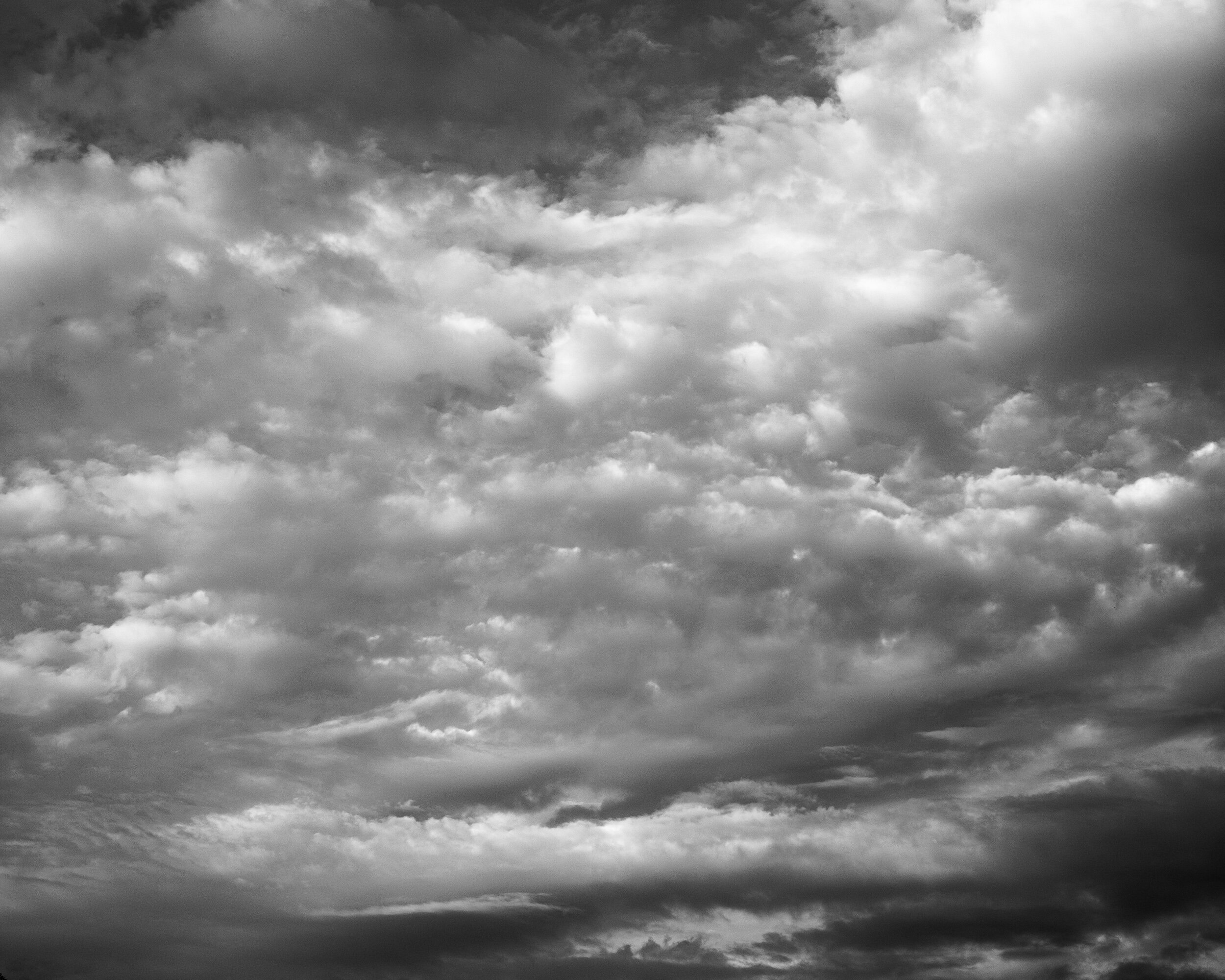
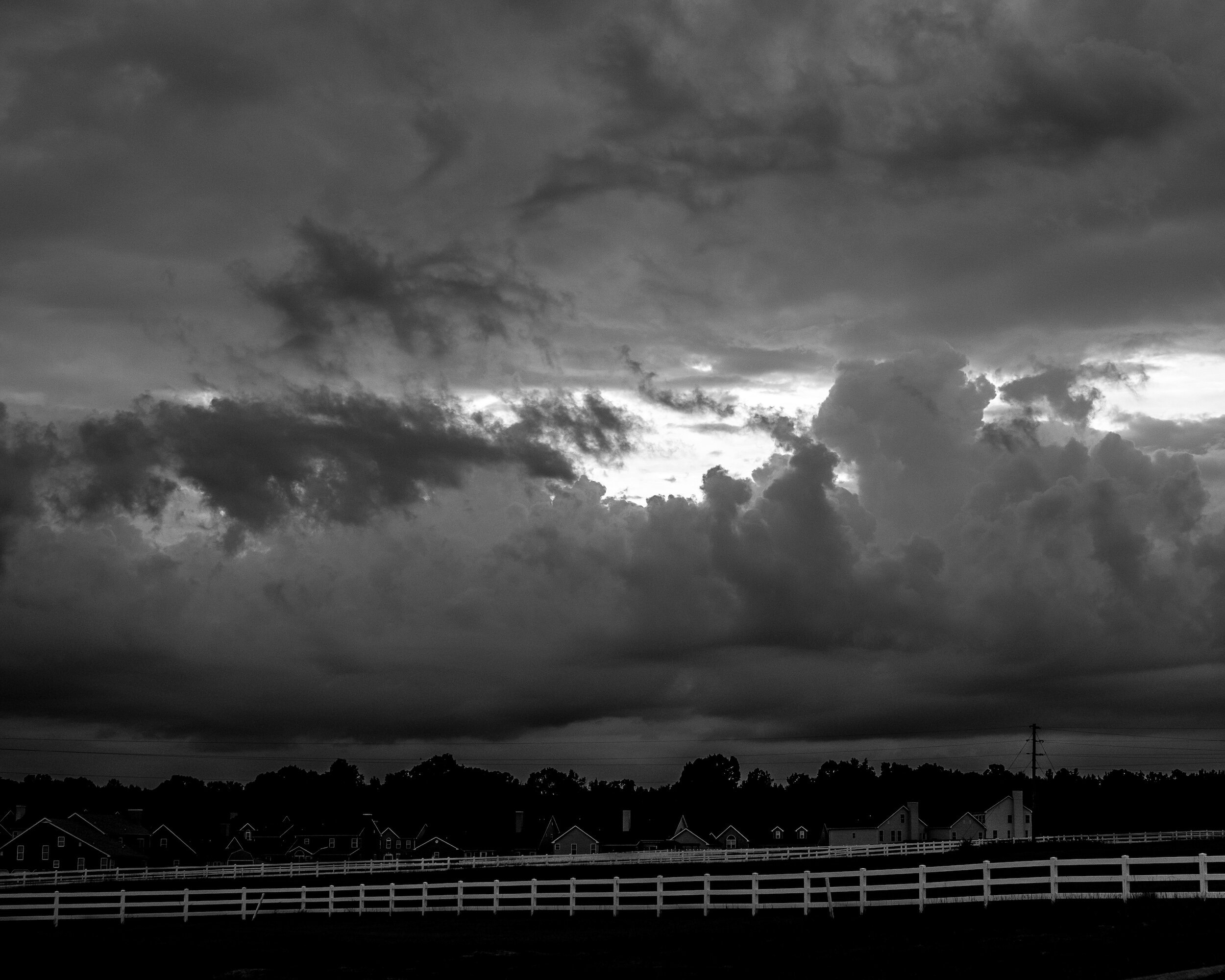
Who hasn't looked up to the sky to watch clouds floating by. Sometimes they announce an approaching thunderstorm; sometimes they announce much needed rain after a drought. Even when lying on the grass in summer and looking up at the small, puffy clouds in and otherwise blue sky, I can not escape the thought that they want to tell me something.
Clouds are harbingers: for better or worse...




Cozy Candy
Cozy Candy
The days are getting shorter…
Cozy Candy
The days are getting shorter
Trees are changing color, and
Sweaters are taken out of storage.
Excitement is building:
It will almost be time to light the fireplace;
Snuggle on the couch with hot drinks.
Let's go to the village and see the lights,
People window shopping, and finally
To that old candy store.

Fall Has Arrived
Fall Has Arrived
Foggy dew…
Fall Has Arrived
Foggy dew;
golden trees, set on fire
by the early sun.
Fall has arrived

Behind The Scenes: American Dream
About the image I used for last week's American Dream haiku
I created this image a couple of years ago, when on a business trip to Southern California. I was testing a…
About the image I used for last week's American Dream haiku
I created this image a couple of years ago, when on a business trip to Southern California. I was testing a 1950's FED2 camera that I jut purchased, and I decided to take it on this trip.
The "American Dream" for many people still stands for abundance, shopping, and good living. I remembered taking this picture, and the whole feel of the setting inspired me to use it for last week's blog post. An American flag, some shopping carts, the clear blue sky, and a tree that nicely filled up an area that otherwise would have been too much negative space in the image. And the whole scene nicely framed between the flagmast and the lamppost to the right. It all came together.
There even was a branch of one of the major US banks nearby which I, unfortunately, could not capture in the frame without ruining the composition with the flag and the shopping carts. When I took this picture I was standing on a sidewalk that was about 6 foot lower than the parking area where the flag and shopping carts were. I did some cropping in Lightroom to exclude a wall with the bank and other advertisements, and to ensure the top of the retaining wall is just visible in the bottom of the picture, adding the notion that the American Dream might be a challenge to realize.
It was only after posting last week's blog, that I noticed that the trunk and branches of the tree more or less form the old Soviet hammer and sickle symbol. I don't know if there is any symbolism here, but it seems to be a strange and interesting coincidence.

About the camera and the film
I learned later that the camera I have actually is a FED2b, version PE0395. It is a rangefinder camera built some time between 1956 and 1958 in the former Soviet Union, and it came with a 50mm Industar 26M lens. Some people claim the FED cameras were even better than the Leica it was copied from. If you are interested in FED and other old cameras manufactured in the former Soviet Union, SovietCams.com is a good place to start.

The film stock I used for these test shots was Kodak Portra 400, which has a very nicely balanced contrast and color.
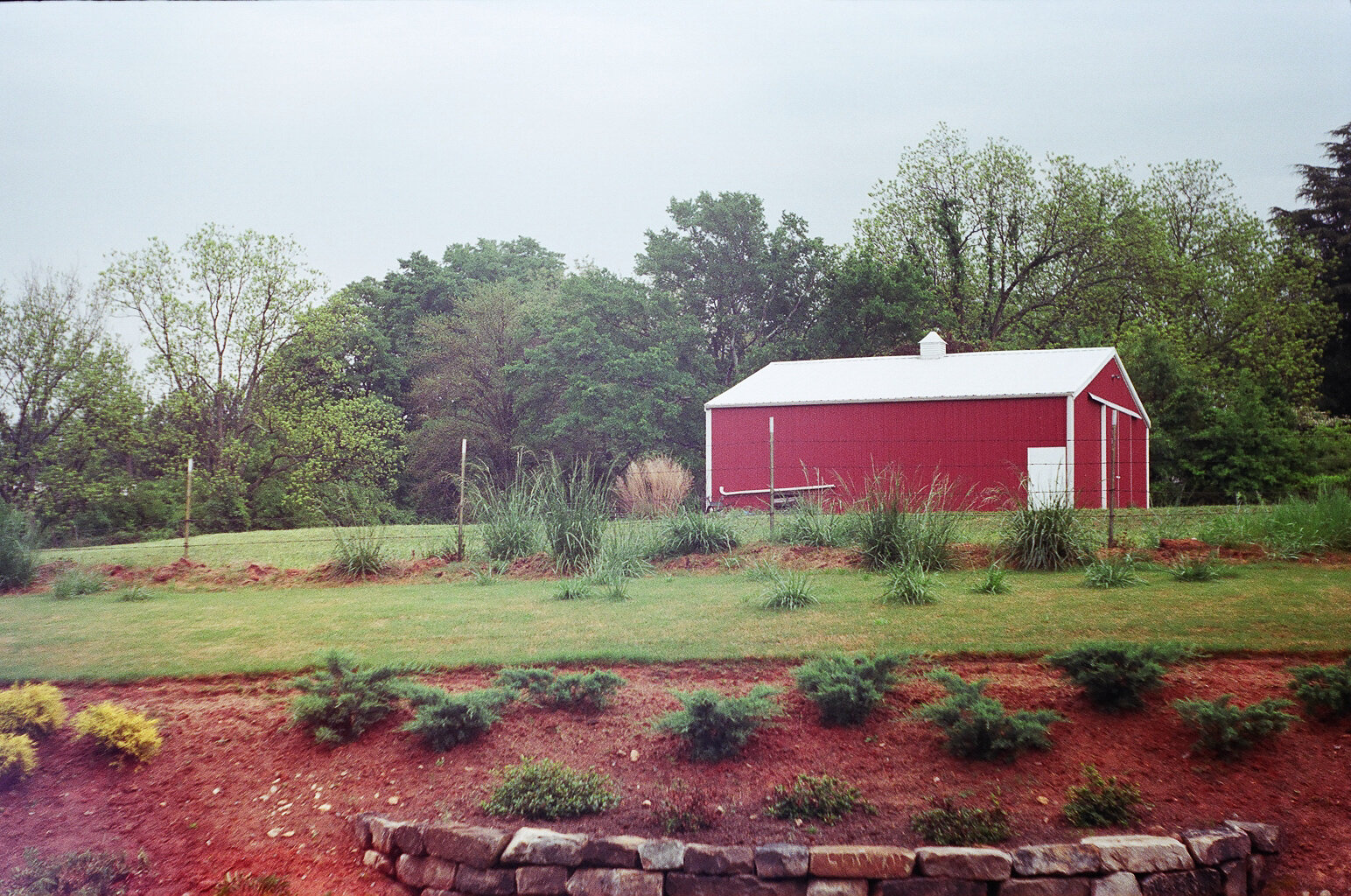
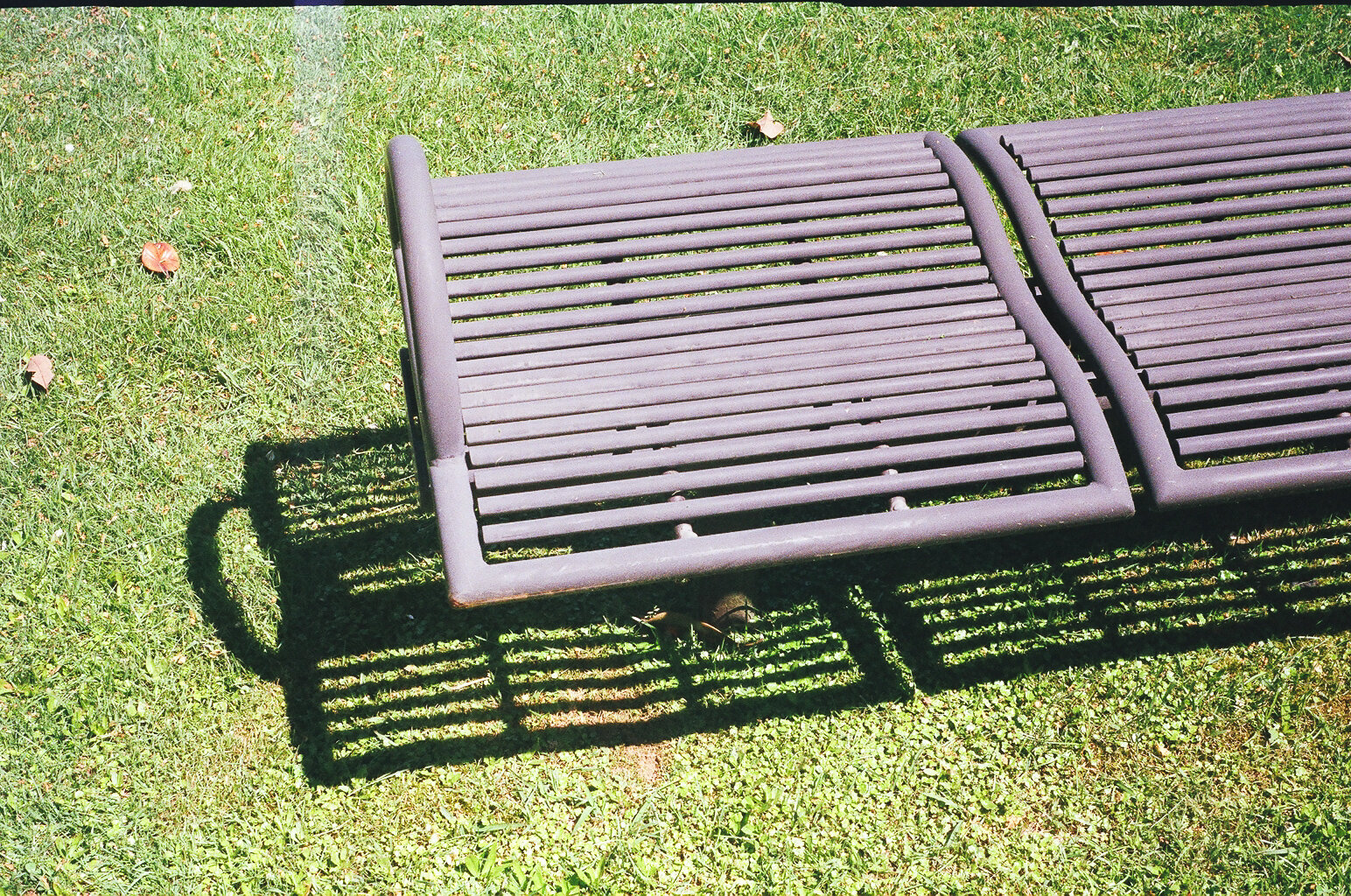
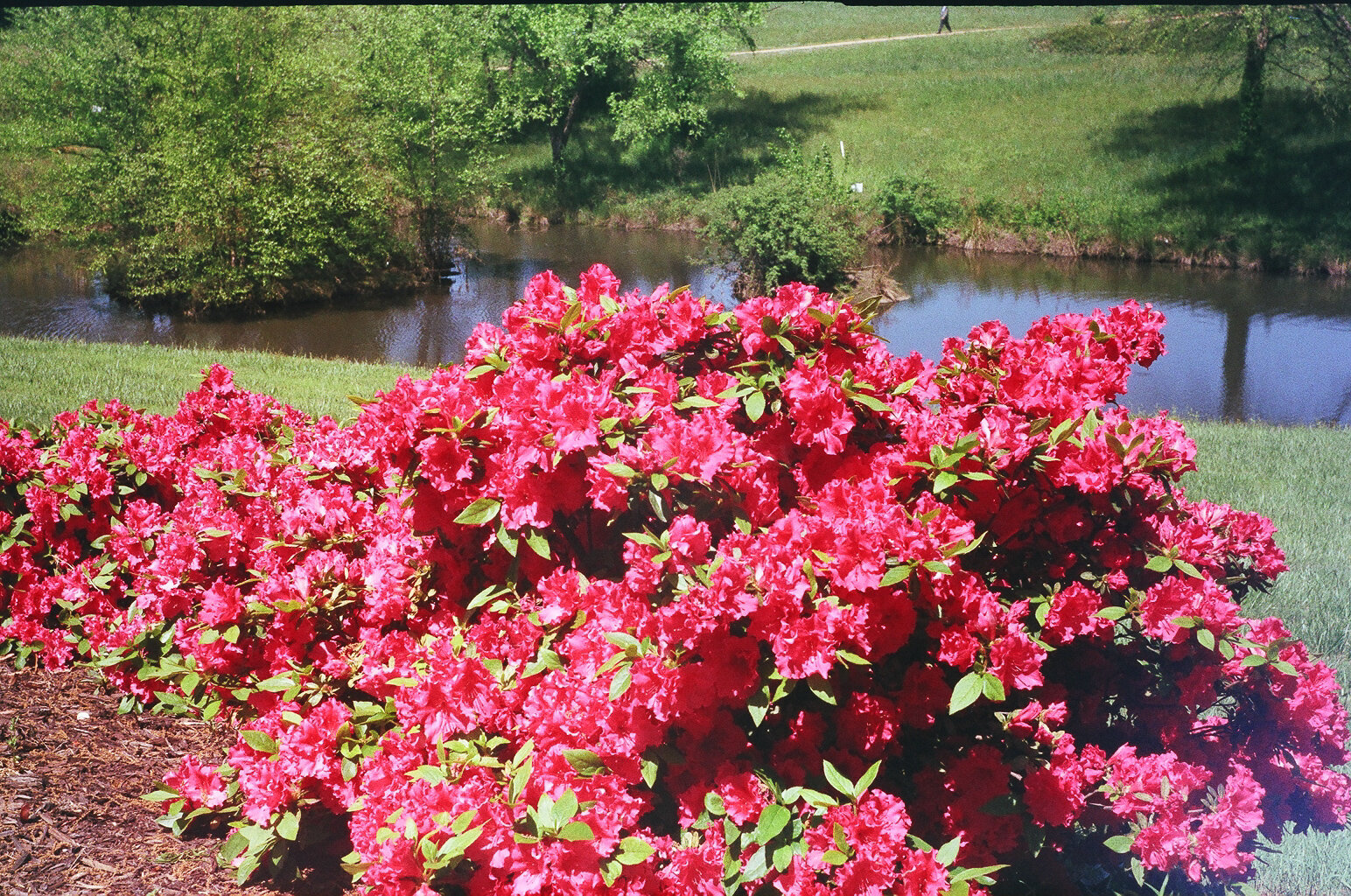
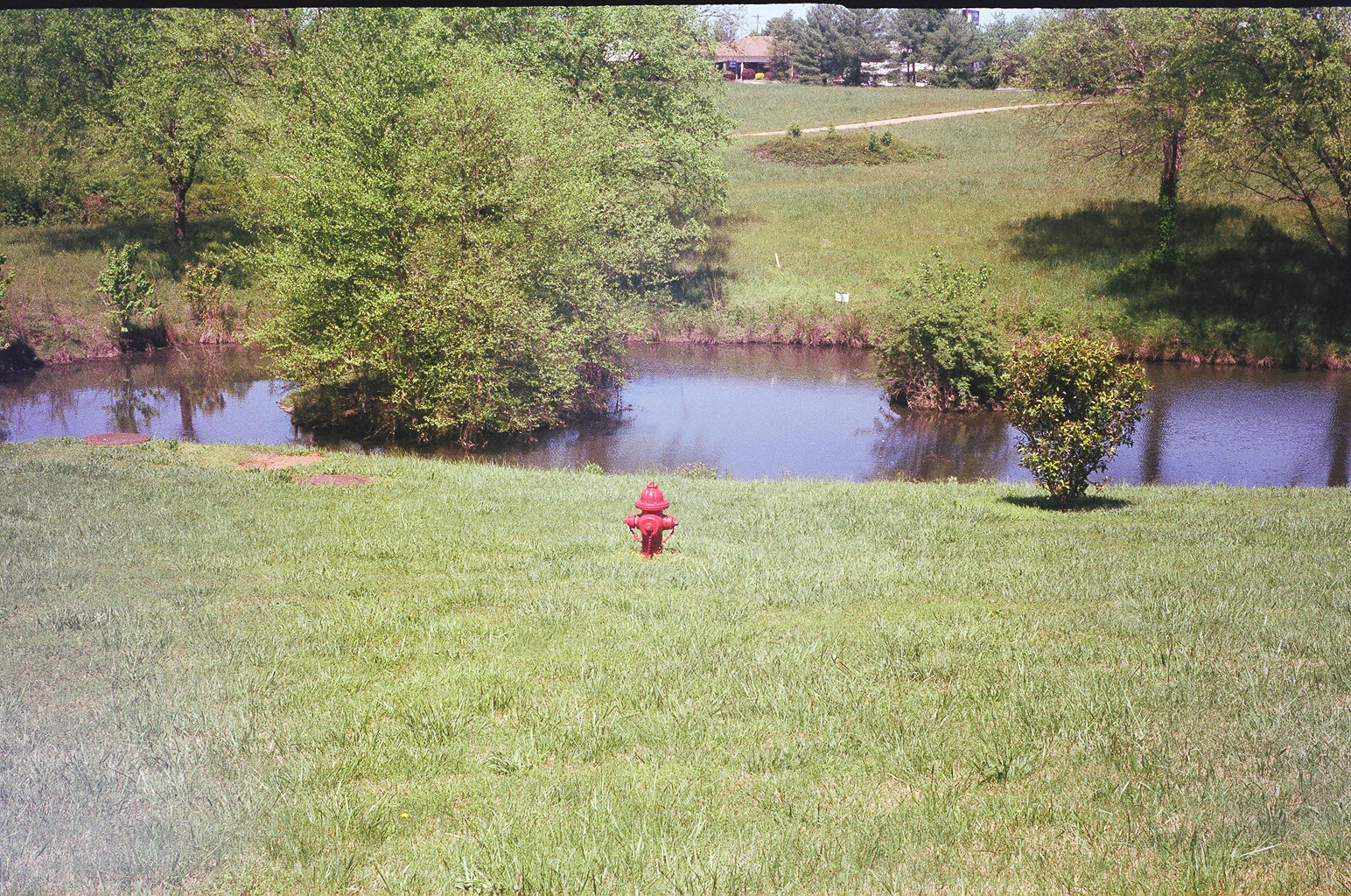
All shots came out quite nice: the combination of this camera and lens, with the Kodak Portra 400 film, resulted in what I would call a good vintage look. And I actually was happily surprised with the quality of the shots in general: color, sharpness, and overall "feel". Remember these have been taken with a camera that is almost 60 years old! Below are some more images from that first roll with the FED, starting with the original image (not cropped) I used for the blog post. You also will notice that I had some flare or a light leak showing in one of the images.
American Dream
American Dream
flag, tree, shopping carts…
American Dream
flag, tree, shopping carts
under a blue sky, it's the
American dream
Pic Tales, Haiku, Essays, and More
What To Discover on the Manten|Photography Website
I have been developing this site since 2013 now, with my first blog post in 2015, and in due progress, several changes…
Pic Tales, Haiku, Essays, and More



I have been developing this site since 2013 now, with my first blog post in 2015, and in due progress, several changes have been made.
Where I initially started my internet presence to just showcase my photography portfolio, I have discovered that I want to create and share more than just a collection of fine art images. Although creating images that can withstand my own scrutiny, let alone that of others is a challenge on its own, I wanted to share more: my vision and the stories I conceived while creating these images.
Inspired by a quote from Anais Nin I want to share not the obvious, but what we usually are unable to see. The best way for me to achieve this, and to communicate my thoughts and feelings about my images, is through stories: Pic Tales, Haiku, and Photo Essays.
As a result of this discovery and my ongoing artistic development, I had to redesign this site a couple of times to reflect and contain the three main story formats mentioned above.
By the way: if you like what you find on this site, why not subscribe below to get links to new blog posts directly in your inbox?
Pic Tales
Pic Tales are stories and poems guiding the viewer towards one of many possible realities relating to the objects or people observed.
Haiku
Haiku are similar to Pic Tales in the way they guide the viewer towards a specific vision. My intent here, however, is to use the ancient Japanese Haiku format and focus on images and impressions that relate to the concept of Wabi Sabi.
Essays
Photo Essays, having no or only limited textual guidance, leave the viewer to create their own narratives and conclusions whereas for Editorials the text has the main focus and is supported by selected images.
Pic Tales, Haiku, and Essays are all different means to achieve the same goal: sharing a story by combining images and text. I have written more elaborate about the differences between Pic Tales and Haiku versus photo essays in my article Juxtaposition: Photo Essays and Illustrated Stories.
Occasionally I also write about general photography topics, about topics that hopefully are of interest to art collectors and everyone else who likes to look at photos, and about topics that provide some "behind the scenes" information about me and my images. These posts are all collected on my Other Blog Posts page.
Thanks for visiting and reading, and if you like what you see: why not subscribe to the blog?
Loneliness
Loneliness
Under a gray sky…
Loneliness
Under a gray sky
A tree, an empty landscape
Loneliness it is


Greenville Welcomes CAF
June 2017 Commemorative Air Force (CAF) Visit to Greenville, SC
A couple of months ago the Commemorative Air Force (CAF) visited Greenville, SC with three of their military…
June 2017 Commemorative Air Force (CAF) Visit to Greenville, SC

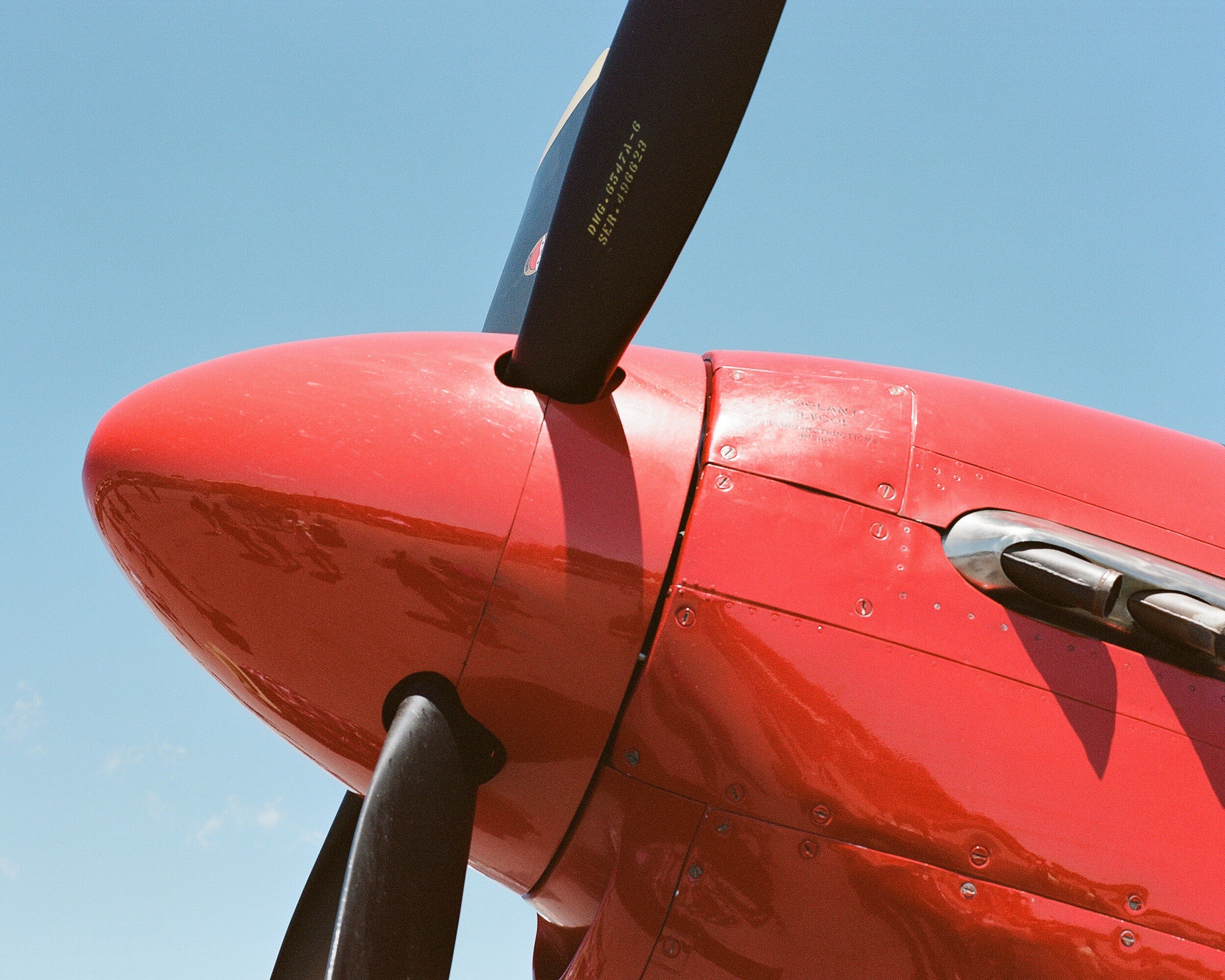
A couple of months ago the Commemorative Air Force (CAF) visited Greenville, SC with three of their military aircraft:
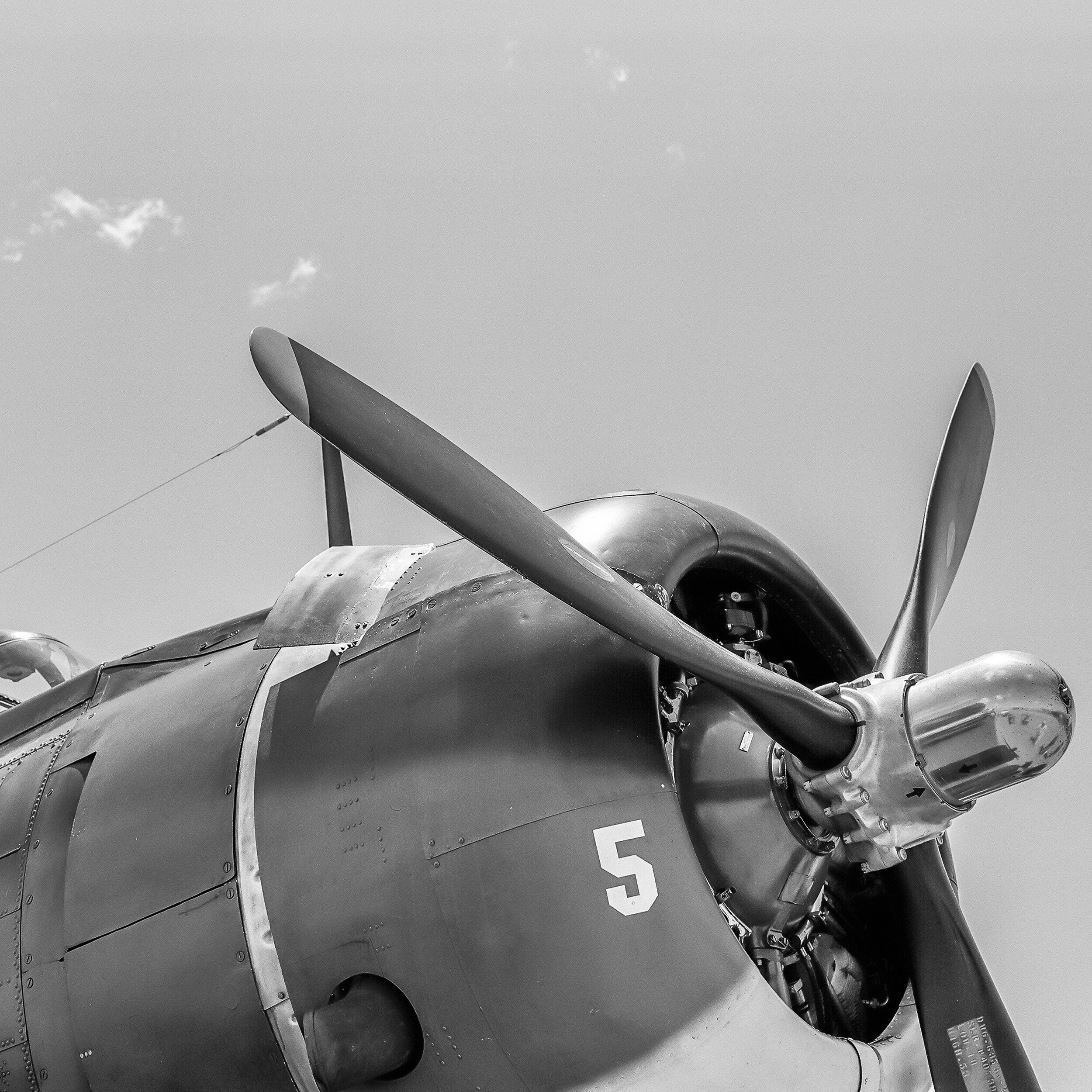
SBD-5 Dauntless;
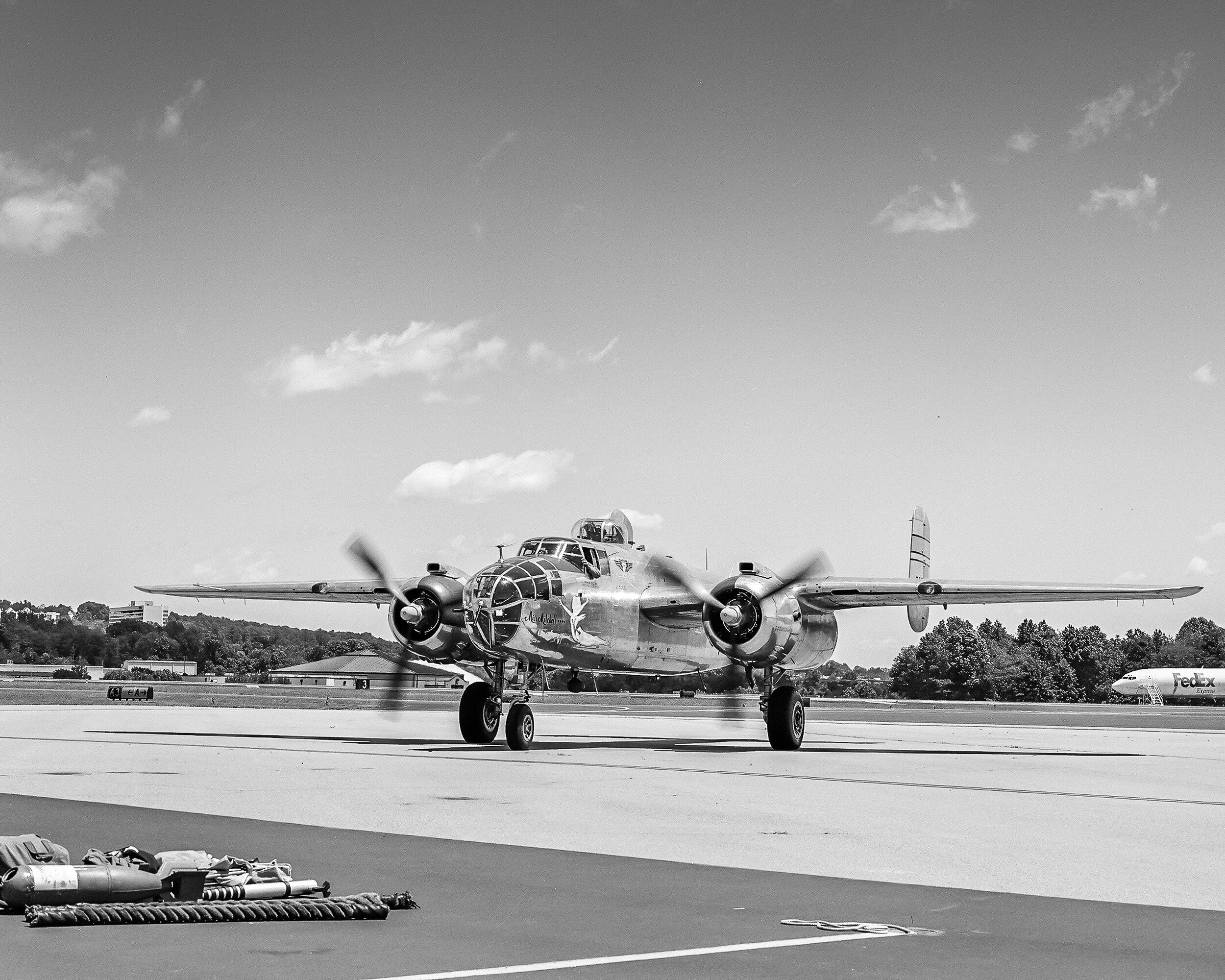
B25 Mitchell;
P51 Mustang.
Three aircraft that made history in the European and Pacific Theaters of Operation during World War II.
It was a nice early-summer day, and I brought the Mamiya RZ67 Pro-II, and some Kodak 400TX (black and white) and Kodak Portra 400 (color) film to the Runway Cafe at the Greenville Downtown Airport.
For more information on these aircraft and the CAF, please have a look at the Commemorative Air Force Dixie Wing and Minnesota Wing web sites
Douglas SBD-5 Dauntless




The Engineer
The Engineer
Up the line…
The Engineer
Up the line
Down the line
Up the line
Down the line
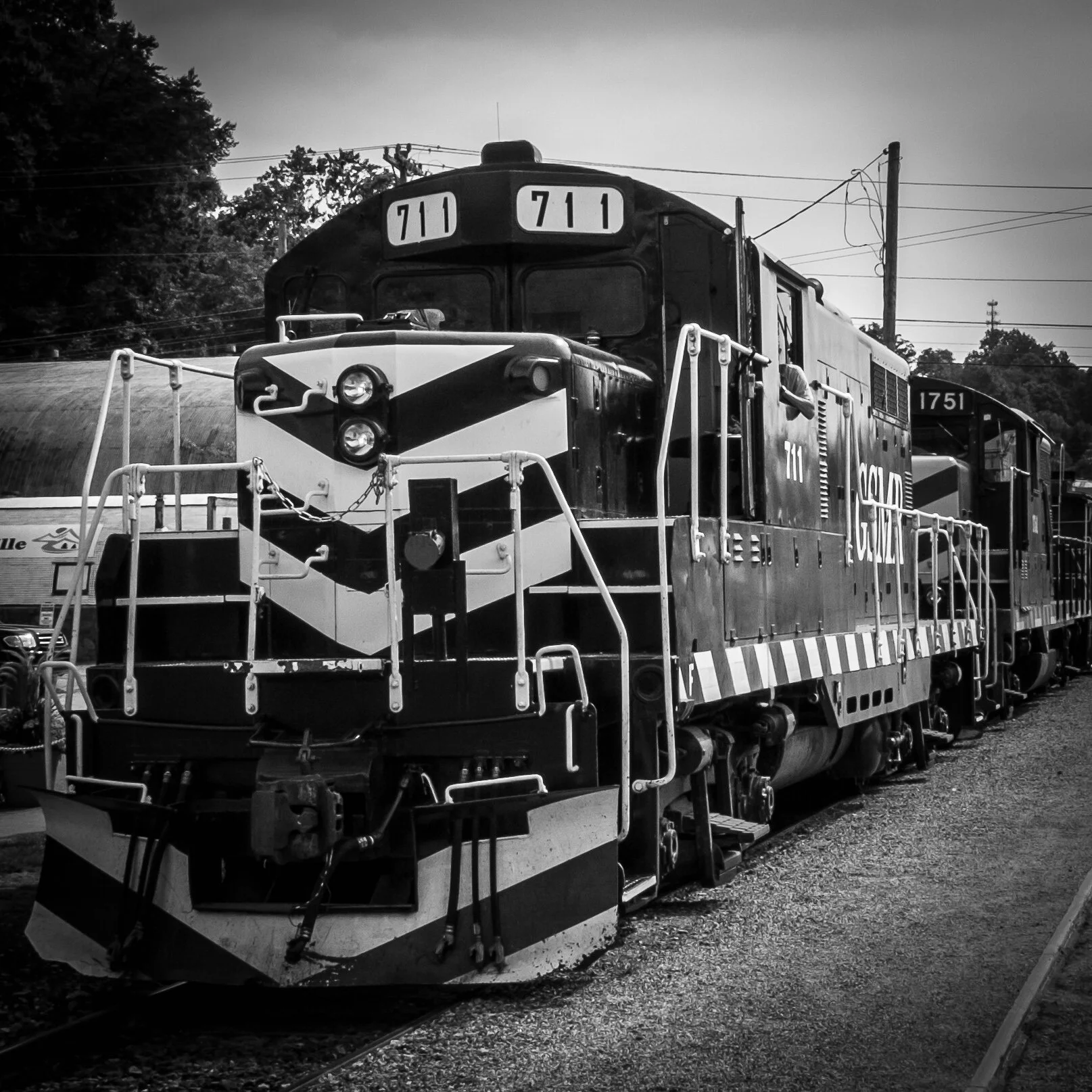
Every night the same track
Cadence of the wheels
Monotonous through the night
Creating stories
A regulated typewriter

Peering into the darkness
The light showing the way
The world whizzing by
Trees, houses, a flash - that was a car
. . . . . . .
Never let go of the dead man’s switch
All coming to a stop
Wheels screeching, steel on steel
But no, that was a dream

Up the line
Down the line
Up the line
Down the line
. . . . . . .
It never ends

Little Friend's Safety
Little Friends' Safety
Waiting on the wing…
Little Friends' Safety
Waiting on the wing
Ready for action
Never deployed
Protecting the protector
Memories...

Memories...
Of missions accomplished
Going halfway out
Meeting halfway in
Big friends returning, limping, dying
Memories...
Never fading
Al missions now for show
Realistic but not real
To keep the memories alive
Book Reviews and Comparison: Abandoned America and Autopsy of America
Comparing Two Urban Exploration Photo Books
A couple of weeks ago I purchased two urban exploration photography books: Abandoned America by…
Comparing Two Urban Exploration Photo Books

Introduction
A couple of weeks ago I purchased two urban exploration photography books: Abandoned America by Matthew Christopher and Autopsy of America by Seph Lawless.
Urban exploration (often shortened as urbex, UE, bexing, urbexing and sometimes known as roof-and-tunnel hacking) is the exploration of man-made structures, usually abandoned ruins or not usually seen components of the man-made environment [Definition from Wikipedia]
Both books have been published by Carpet Bombing Culture, a UK-based publishing company who describe themselves as "your counter-cultural publisher par excellence". Their objective is to provide the readers with premium quality art and photography books that contain critical and highly subjective commentary.
Although both books contain essays with great photography of abandoned places and buildings in the USA, it seems that the point of view - and as a result the exploration of the topic - of both photographer-writers is quite different, resulting in different approaches of the same subject matter.
I enjoyed and recommend both books, and will check out other titles by these photographers and from this publisher, in the end however my personal preference goes to Abandoned America. Read through to the conclusion to see why.
Abandoned America - Dismantling The dream

Author: Matthew Christopher
Pages: 240
Cover: hardcover
Size: 254mm x 254mm
ISBN 978-1908211-42-2
Edition: First edition 2016
Photos: 154
Review
From the author's website: "Matthew Christoper is a commercial event, portrait, and architectural photographer who also teaches and tutors in photography and photo editing. He has had an interest in abandoned sites since he was a child, but started documenting them a decade ago while researching the decline of the state hospital system." Christopher also offers urban exploration workshops to the sites he covers in the book. More on Christopher, the book, and the workshops can be found on the Abandoned America website.
In his foreword Don Wildman captures the essence of the book and Christopher's approach: "The haunting beauty of Christopher's images...employs...geographic objectivity, a refreshing and purposeful lack of judgement...delivering the image artfully composed without heavy-handed commentary..."
What specifically struck me in the foreword and reviewing the images is that it is "...surprising...how many of these sullen images seem almost celebratory-again". And how "...images...somehow give a sense of hope, not melancholy". While the essays in the book serve to illustrate situations where (government) policies and decisions led to devastating results, and sometimes maybe might have been better changed, or adapted than dumped, they definitely also show that "...while it's tempting to sigh, swoon, and wistfully fantasize about better days behind us, progress is all that really ever makes sense and it comes from moving forward, drawing from the past lessons we must learn for a better-built future." This is exactly how I read and perceived the essays: beautiful images and important stories that need to be told to share these past lessons.
In his own introduction Christopher explains how he came to love photographing ruins and more importantly what drives him to create these essays. It is the combination of the photographs and the stories that "made these places amazing". He also spends a lot of time in exploring the background of the buildings and the people who lived, worked or studied there, "in order to create something that honors the sites, and those whose lives they were a part of, with the dignity and respect they deserve". He interestingly states that, because he feels he never achieved that goal, it is not easy or even enjoyable for him to photograph these locations and write the stories.
According to Christopher "Perhaps the most gratifying element of all has been seeing how many other people have come to realize they love these places too, that an homage to our past can be at once a shared goal, a eulogy, and at times even a celebration...They [these places] deserve to be looked at neither as some feel-good fantasy where all things wind up for the best, nor only as wraiths foretelling an eventual disintegration that awaits us all......they contain lessons about time, change, and surviving the darkness when it comes...". Christopher's dedication to the places he documents and their possible future, is probably best illustrated by the fact that he through his workshops generated a quite substantial sum ($18,000 by the time of publication) for the preservation of abandoned sites.
The book contains 13 essays. Each documenting in images and words the past and present of the buildings, areas and objects at the focus of each essay. The text of each essay is a mix of Christopher's own perception and feelings for the place, research he did, and interviews with people who lived, worked, or studied there. He also shares how he got to photograph the specific buildings and sites.
As Christopher indicates in his introduction, each essay not only illustrates the decay, and the reason(s) for it, or how things in the past could have been done better. Each also contains a glimpse of hope. In most cases this hope is created by people and organizations who are working - and sometimes fighting - to preserve the sites, bringing them back to their former glory.
Christopher's images have a very distinct appearance, because of composition and color palette. They very much remind me of cinematography stills, with rich colors that give the viewer the impression of really 'being there' with the photographer. The photos are extremely well executed, and combined with the text provide a complete impression of the places pictured: not only as they look now but also providing the viewer/reader with an image of how these places might have looked in their glory years, and how they might look again.
I really liked viewing the images and reading the essays. It gave a feeling of sadness, of what could have been and is not, of what might have gone wrong and could have been done better. But also a sparkle of hope: where individuals and communities are working to restore the buildings and sites.
Autopsy of America - The Death Of A Nation

Author: Seph Lawless
Pages: 198
Cover: hardcover
Size: 251mm x 251mm
ISBN 978-1908211-49-1
Edition: First edition 2017
Photos: 147
Review
Seph Lawless is the pseudonym for an American-based artist, political activist, and photojournalist who has been documenting abandoned sites in the USA since 2005. Although his work is globally recognized and has been broadly covered by major US and international news stations, he has deliberately chosen to conceal his real identity. More on Lawless, his vision, and his other explorations can be found on the Seph Lawless official website.
The foreword/introduction by Michael Goldfarb puts the reader and viewer directly in the direction the book is going. Describing Lawless' work as "Bleak and beautiful shots of ruins..." depicting the "...wreckage of a vanished civilization..." he immediately sets the tone for what is coming. Comparing current big cities with the ghost towns of the past as "places where hopes were crushed by catastrophe...on the scale of war" that "was waged by America's economic system on its own people", this book's intention is clearly to show that "The America that produced these buildings is receding".
Goldfarb asks whether people who live nearby, and probably on a daily basis drive past these ruins of modern civilization are angry. Lawless explained to him that they are, and that this is one of the reasons of the big political upheaval at the end of 2016 when Donald Trump was elected as President of the United States of America. The beautiful images Lawless created according to Goldfarb being the history of the USA in the Age of Trump.
This thread continuous throughout the book: it is not as much a collection of essays about specific places but a collection of images of destruction and despair sometimes almost haphazardly grouped in chapters. The images all have a distinct gloomy appearance. Even those taken in bright sunlight have a feeling of darkness around them. Whereas the images in the first chapters are pretty consistent, the second half of the book appears to be less structured with images of abandoned schools, malls, factories, churches, and train graveyards seemingly randomly mixed.
There is not much accompanying narrative that provides the viewer any insight into what he is looking at. And in some instances the use of text adds to the confusion: in one instance three pages that appear to be title pages of different chapters (An American Horror Story, The Final Curtain, and Hurricane Katrina) follow consecutively without anything in between. In first instance I actually thought that I might have purchased a wrongly assembled copy. Based on the flow of other pages however I think my copy is okay.
As mentioned, the narrative is very limited and where it exists, it is all doom and gloom. From all the examples I could have used, the following in my opinion best reflects the mood of the book: "America is a man falling off the roof of a skyscraper, and as he passes by every floor he says to himself...so far so good."
The combination of the beautiful but moody pictures, and the text focusing on the apocalyptic state of the places photographed and the reason these places are in their current state creates a feeling of disorientation and confusion. If this is what Lawless wanted to achieve, it is a clear case of 'mission accomplished'.
The interesting thing is that I was not able to put the book away. In first instance I didn't know if I was annoyed or upset by what I was viewing and reading. After researching Lawless' website however, and although I definitely do not share his worldview and opinion, I realized that he did a great job in getting his message across. After this revelation I was able to pick up the book again and actually appreciate it's setup and layout.
Summary and Conclusion
Both books are extremely well executed. The quality of the cover, the binding and the paper is very good. Although all pages are heavy weight glossy and smooth, as a result of the printing process several images feel as if they have some structure added. The images by both photographers are great: from a technological perspective and also from an 'feeling' perspective. Both authors in my opinion have succeeded in getting their message across. Abandoned America and Autopsy of America both provide thought provoking insights in the decayed sites and buildings, and the reasons that led to their existence and their current state. Both books also entice to look at other publications by Carpet Bombing Culture: Soviet Ghosts, Ask the Dust, Haikyo, Fukushima, Beauty in Decay I and II, States of Decay, and Abandoned planet.
From a subject matter approach point of view however, I like Abandoned America more.
The first reason being that Christopher provides a lot of background information about the locations he describes. I like to understand what it is we are looking at, why it was created in the first place, why it is in its current state, and what possibly might happen with it in the future. The personal stories of people who lived, worked, and studied in the documented places provide a great human touch, sometimes heart breaking, sometimes providing a glimpse of hope. This background information generally is lacking in Lawless' approach: he focuses on the current state of the places he documents and his opinion on the reasons why they are in their current state.
This is linked to the second reason why I like Abandoned America more. However much we need to be critical about what we are doing to our environments and other humans Autopsy of America has too much a negative bearing for my taste: too much an apocalyptic approach focusing on how capitalism has lead to the destruction of areas, places, and people. Although Abandoned America too shows the results of bad decisions and wrong policy, Christopher has a more neutral approach and includes an effort to show the greatness of these old places, and the hope and even some early indications that betterment is possible.
Similar in execution and very different in approach of the subject matter, I definitely recommend both books to be purchased and become part of your photography essays library.
Summer Arrived
Summer Arrived
Summer arrived: long hot evenings…
Summer Arrived
Summer arrived:
long hot evenings
dinner with friends
tables on the grass
stories, laughter, drinking wine
children playing, cicadas humming
Summer arrived!!

The Fountain Pen
The Fountain Pen
a blank sheet of paper…
The Fountain Pen
a blank sheet of paper
a fountain pen doodles
a poem

New York, New York
Impressions from the Big Apple
My wife and daughters just returned from a week-long trip to New York City. For my wife and youngest daughter it…
Impressions from the Big Apple
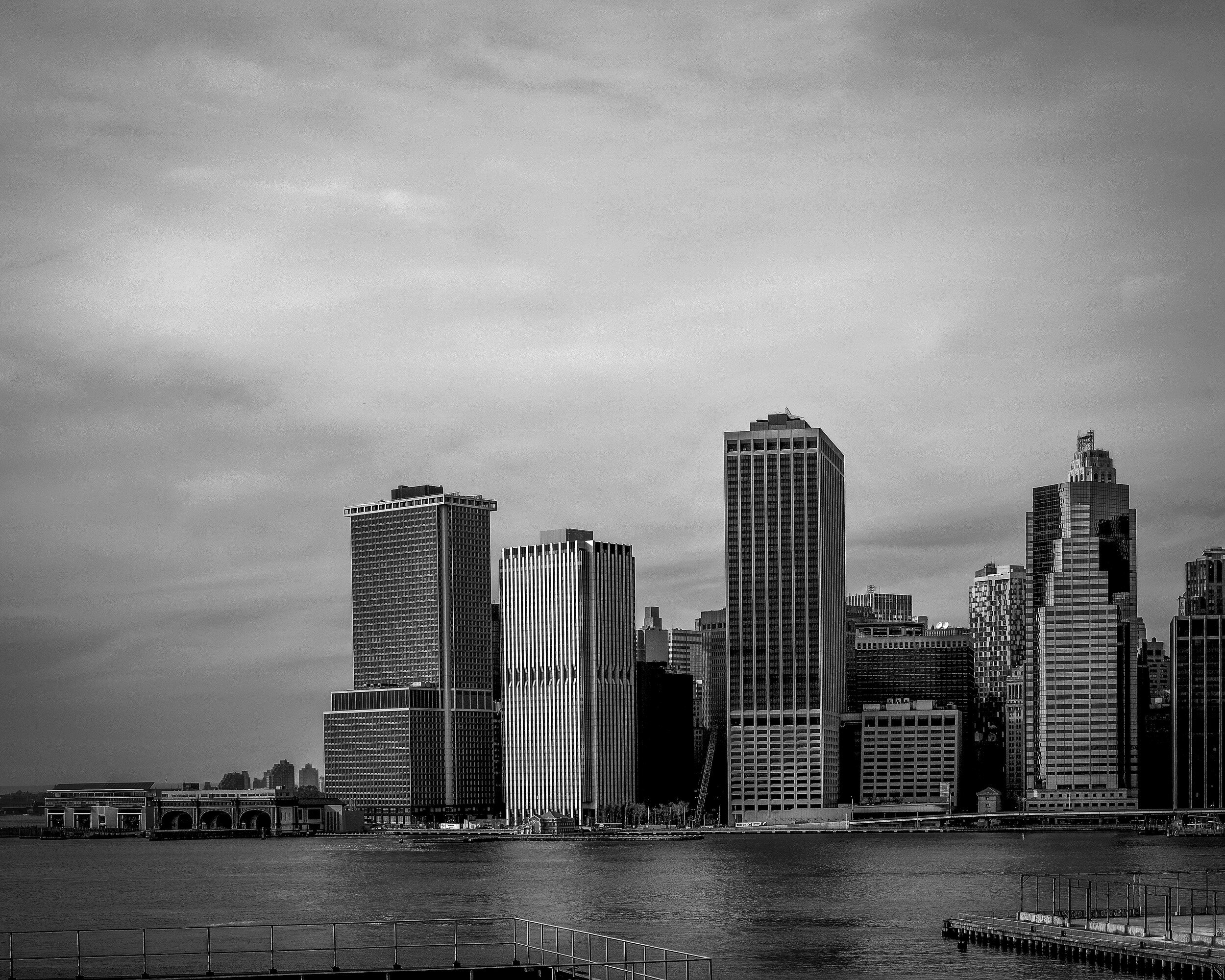
My wife and daughters just returned from a week-long trip to New York City. For my wife and youngest daughter it was their third visit during the six years we now have been living in the US.
We love living in a rural area in South Carolina, and although our family is divided on the question of whether we could live in a place like New York its diversity of architecture, cultural mix, and entertainment opportunities pulls all of us like a magnet.
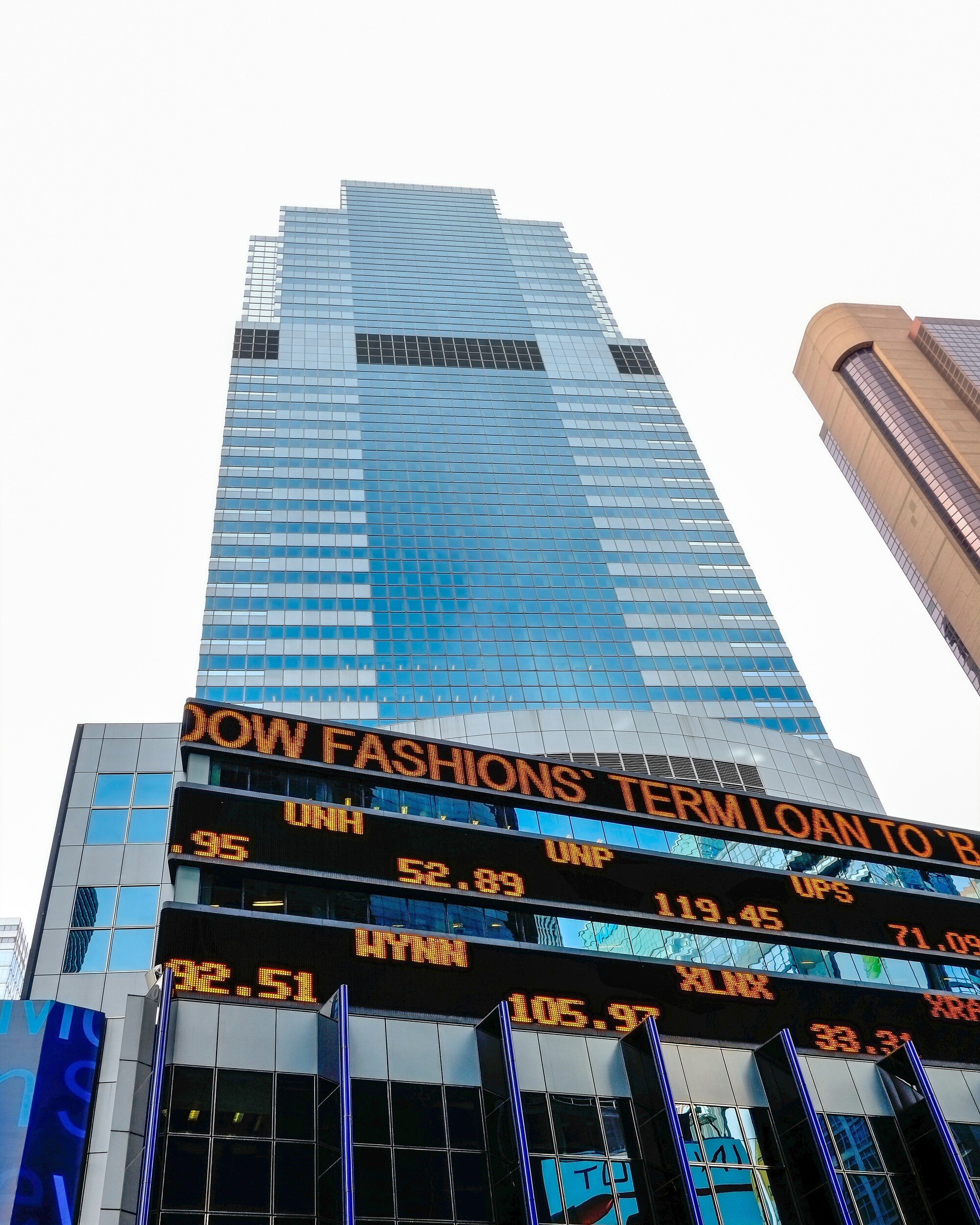
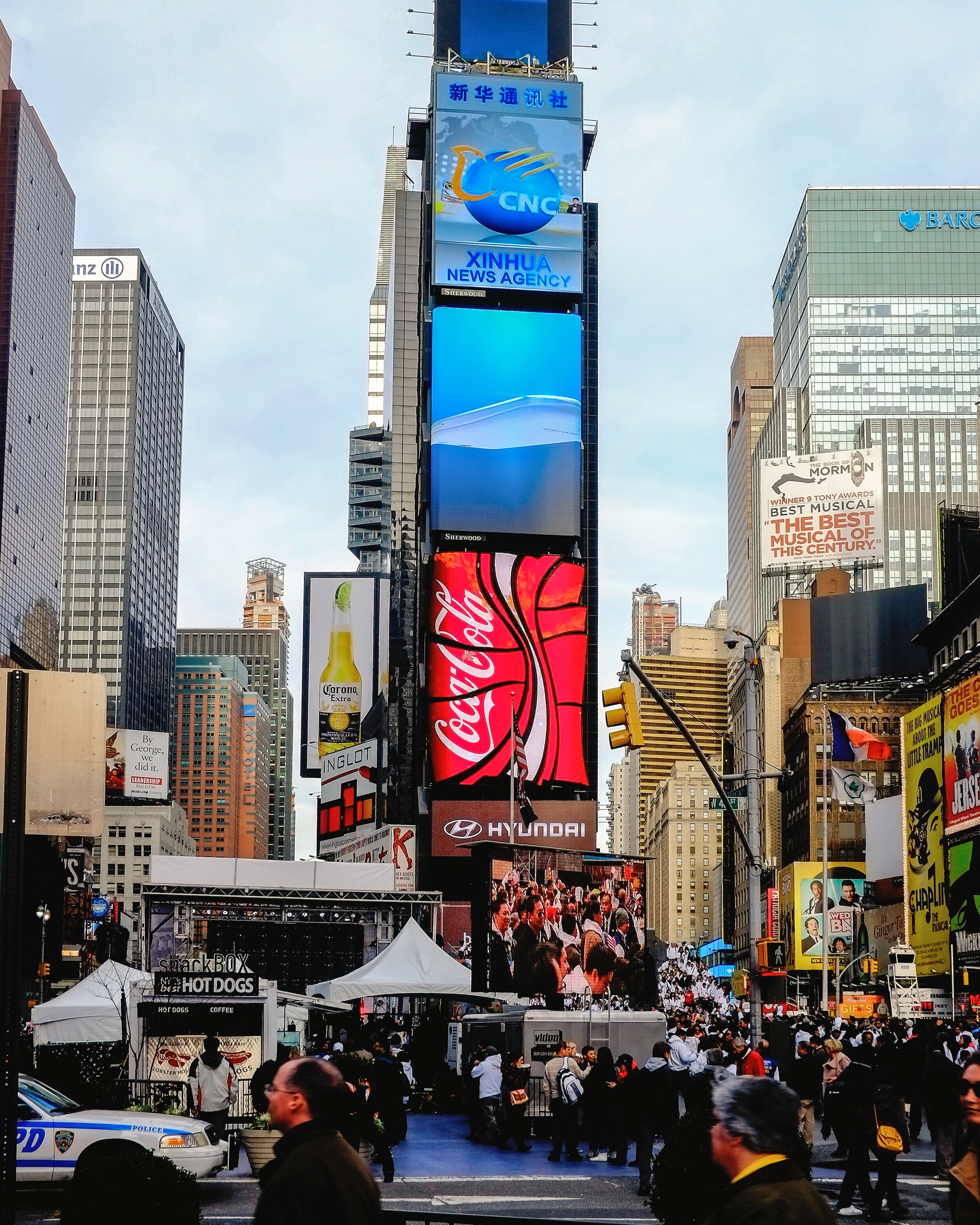
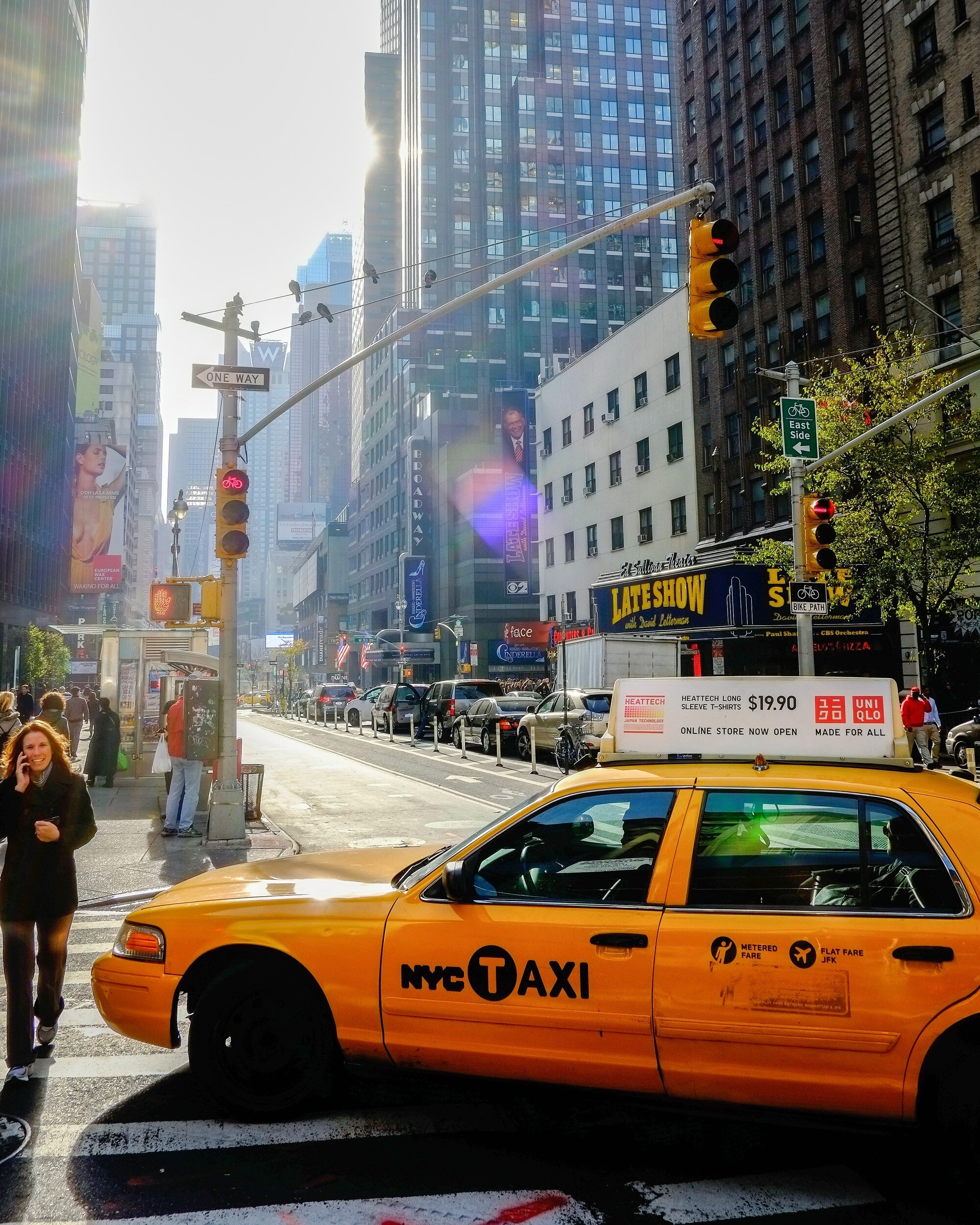
Not only because of the great landmarks: the Statue of Liberty, Empire State Building, Ground Zero, Saint Patrick's Cathedral, and so much more. Also, and far more entertaining, because of the people. Locals and tourists provide an ever-changing palette of colors and behaviors against the Big Apple's backdrop of high rises, neon signs, yellow cabs and the never-ceasing sounds of a big city.
I, unfortunately, have been to this bustling melting pot only once, and I definitely want to go back. The images below are some impressions from that visit, published in a magazine-size photo book.
All pictures taken with a Fujifilm X-Pro 1 and the Fujinon 18mm and 35mm lenses.
Black and White Impressions
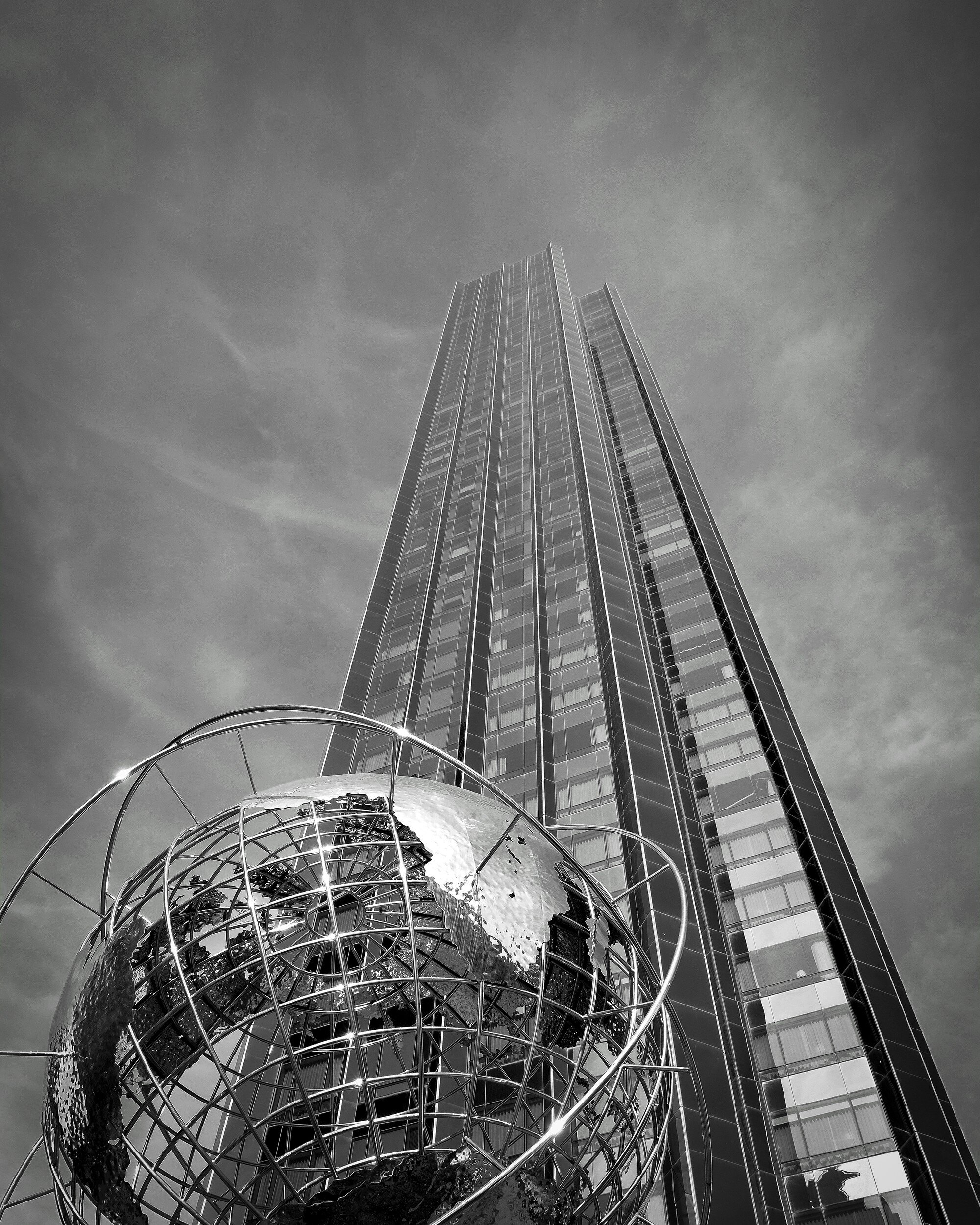
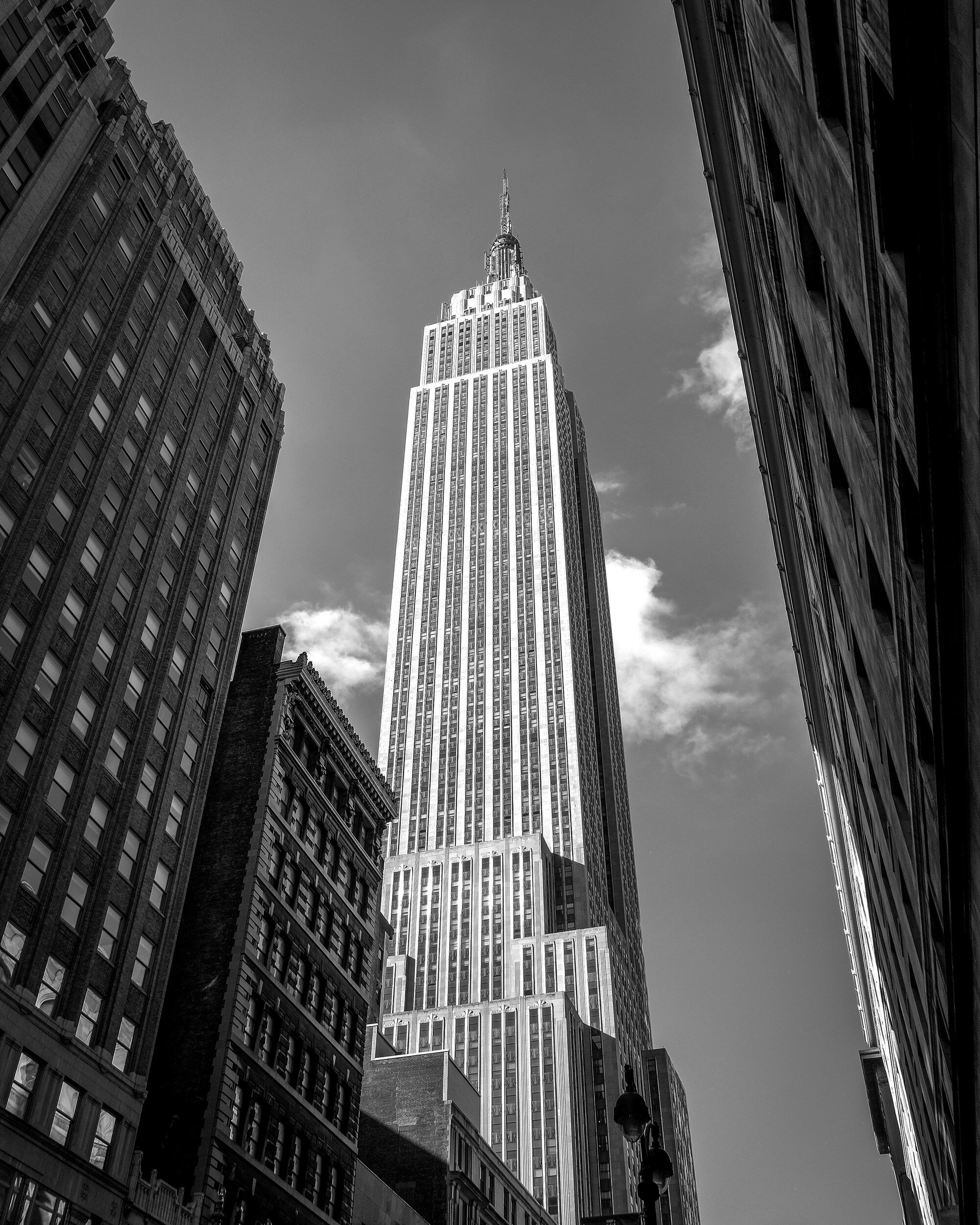
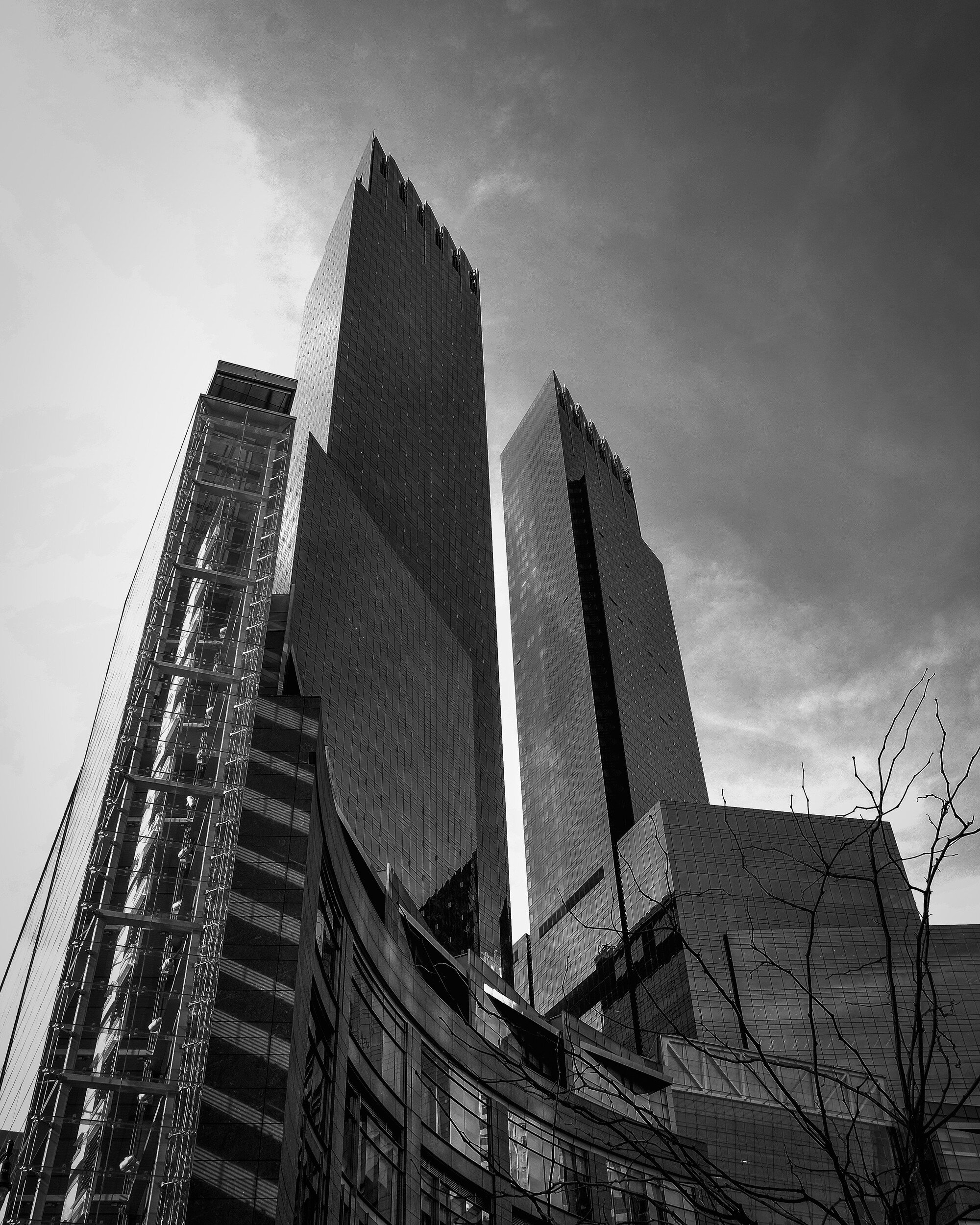
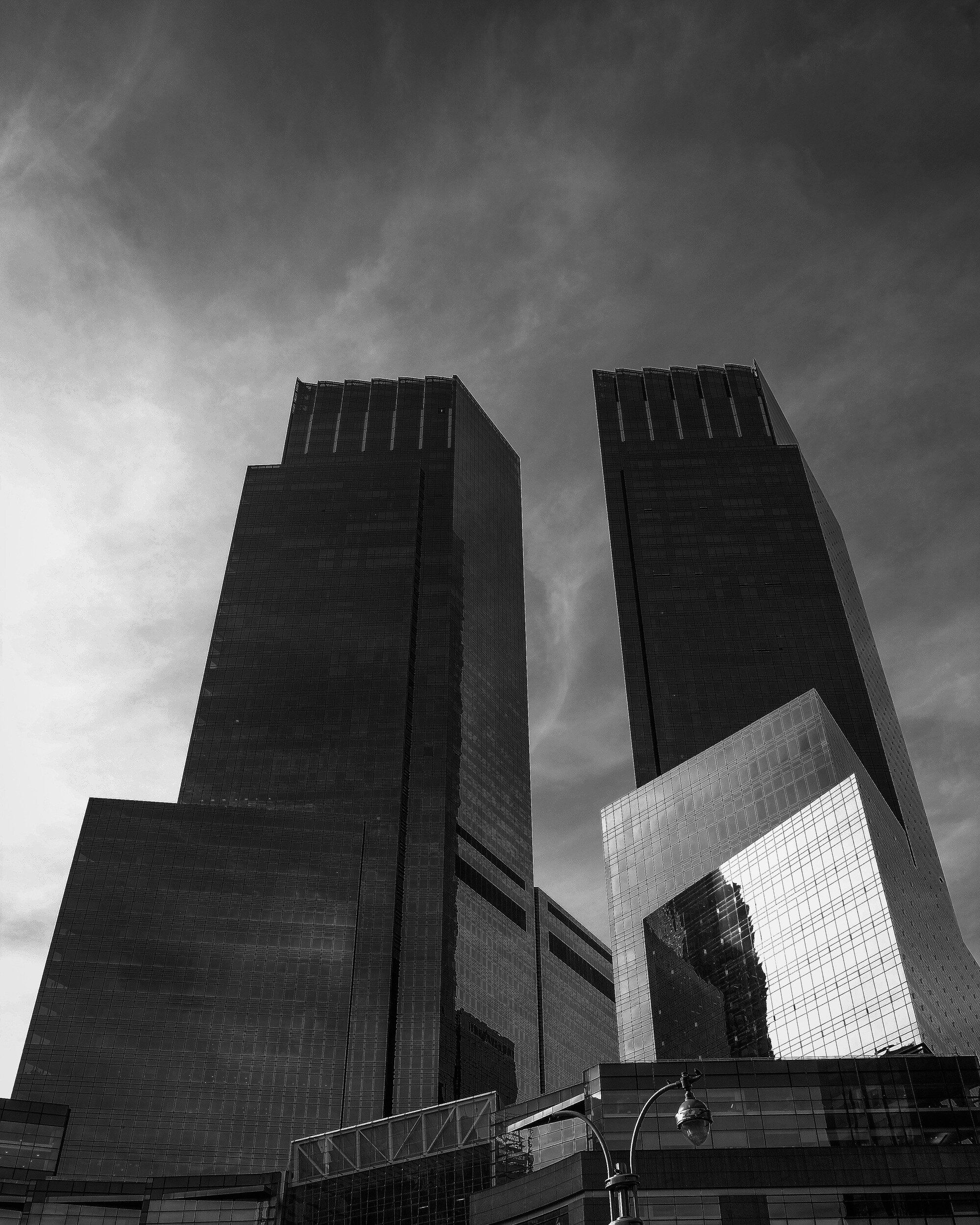
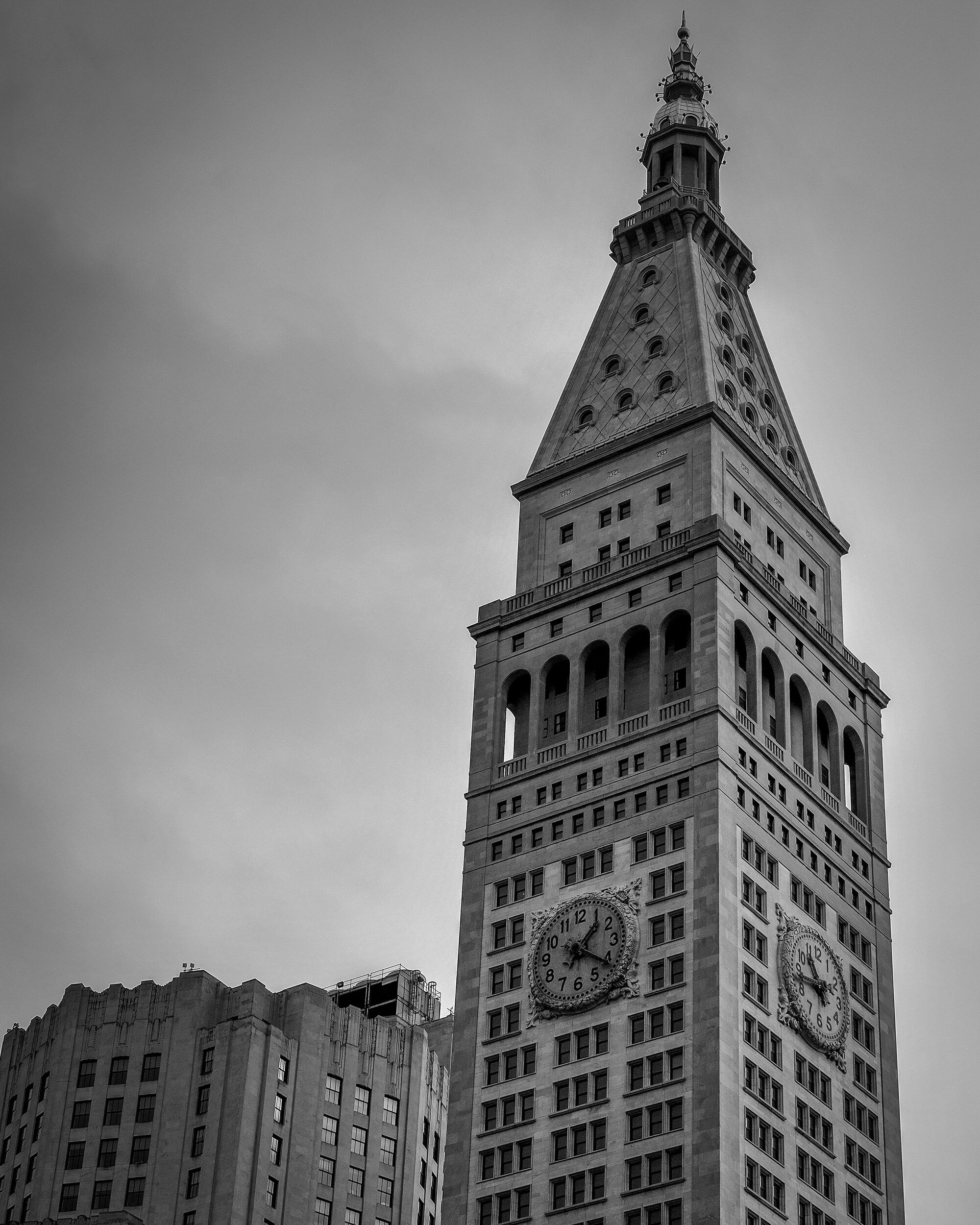
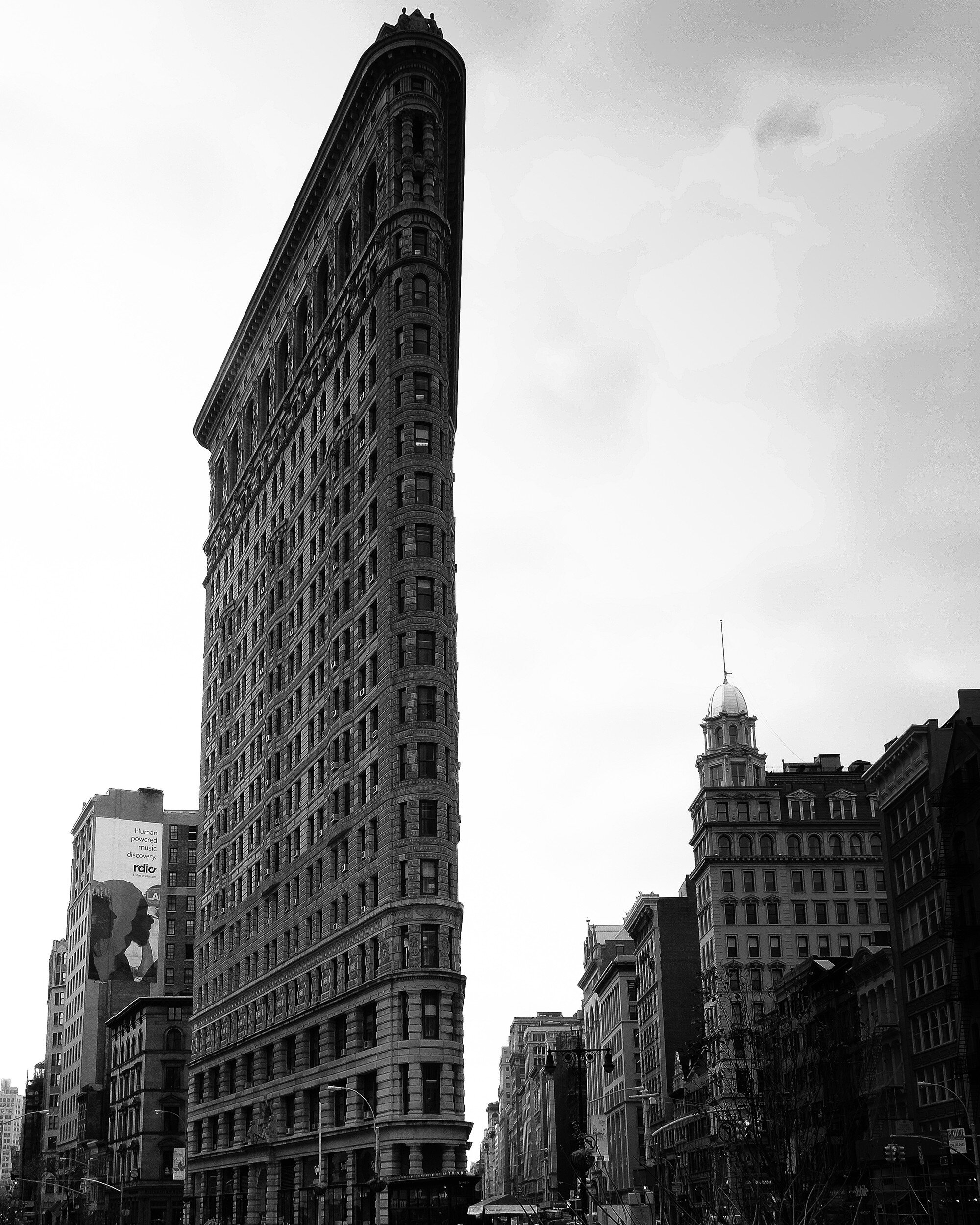
Street, architectural, and city-scape images usually appeal to me most when created in black and white. Not having any color accents distracting from the main image subjects helps me focusing on forms, lines, and the situation at hand.








Color Impressions
Sometimes, however, color is a must have! This might seem contradictory to what I just stated above, but whereas in general black and white is my preferred setting for street and cityscape photography color can help focusing on accents, juxtapositions, providing additional layers of texture, or just capturing the vibrancy of a city like New York.
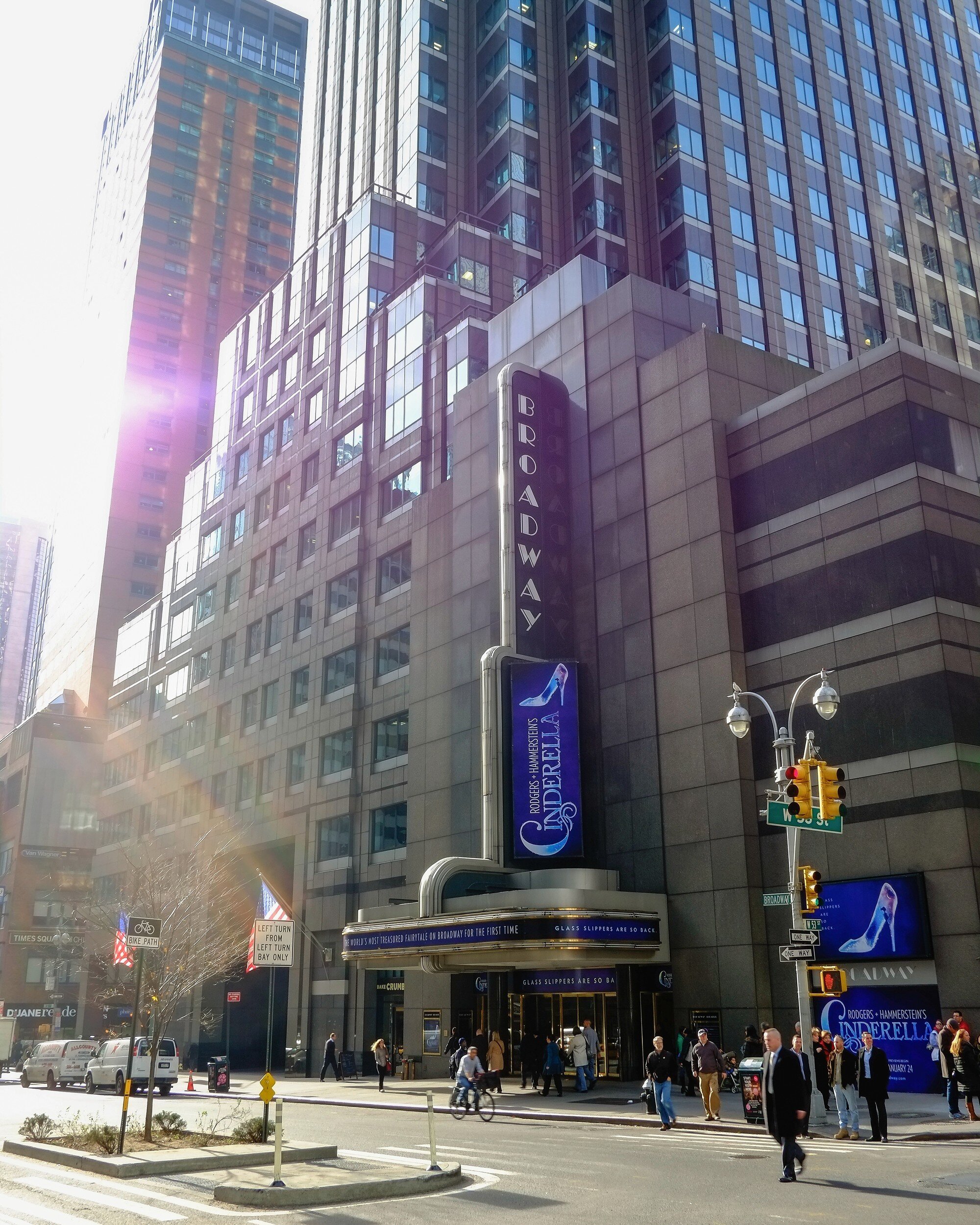
Compare the picture below with the first black and white picture above. Actually the same image rendered in black and white, and in color. I would be hard-pressed if asked which one I actually like more; both have their own appeal. Which one do you like most?




Perseverance
Perseverance
a rusty sewage pipe…
Perseverance
a rusty sewage pipe
a tiny sapling grows
between its joints

The Gardener
The Gardener
A long day in the sun…
The Gardener
A long day in the sun
Raking
Weeding
Nurturing
Laboring to make things grow

Now it is time to rest
Tools cleaned and lined up
Looking back with satisfaction
to everything accomplished
Now let nature do her part

Two Cranes Dancing
Two Cranes Dancing
hot sun on metal…
Two Cranes Dancing
hot sun on metal
two crane choreography
rusty joints screeching
