

Why You Should Use Third-Party Lenses on Fujifilm X-Series Cameras
It Is Probably Not For The Reason You Expect
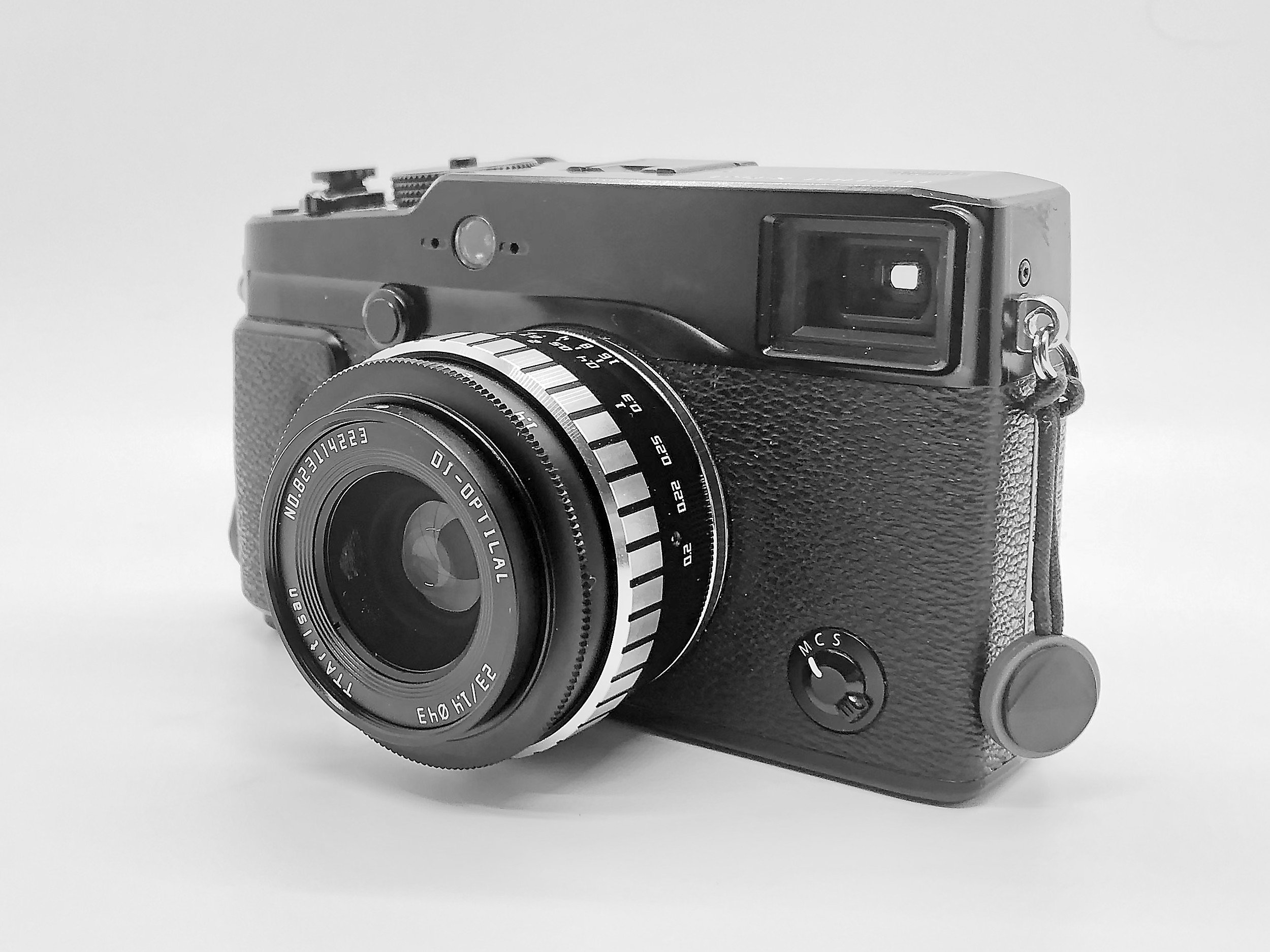
In last week's article, I mentioned that I purchased a TTArtisan 23mm f/1.4 lens for my Fujifilm X-Pro 1…

It Is Probably Not For The Reason You Expect
In last week's article, I mentioned that I purchased a TTArtisan 23mm f/1.4 lens for my Fujifilm X-Pro 1.
The initial motive for this purchase was to get a lens with a 35mm full-frame equivalent focal length. However, there is a second reason why I use this and other third-party lenses on the X-Pro 1.
And it is not about image quality.
Why I Use Third-Party Lenses on the Fujifilm X-Pro 1
While there are multiple third-party lenses with excellent image quality, I mainly use lenses other than Fujinon x-mount ones because these have distance and depth-of-field scales.
According to Fujifilm's overview of x-mount lenses, there are currently only three lenses with distance/depth-of-field scales: the 14mm f/2.8 R, the 16mm f/1.4 R WR, and the 23mm f/1.4 R.
While the 23mm would perfectly do the job and probably be easier since it would auto-focus, it also is about seven times the cost of the TTArtisan 23mm. So that would be an additional reason to go third-party.
As mentioned last week, I added the 23mm to my toolbox for focal length consistency because it matches the 35mm full-frame equivalent of the Summaron on my Leica M4.
Sometimes, however, I want to use a slightly longer focal length. For example, when I do not want to get too close to my subjects or when I can not get close enough to them because of the actual situation.
In those cases, I want to use a lens with a full-frame equivalent focal length of (about) 50mm or 75mm.
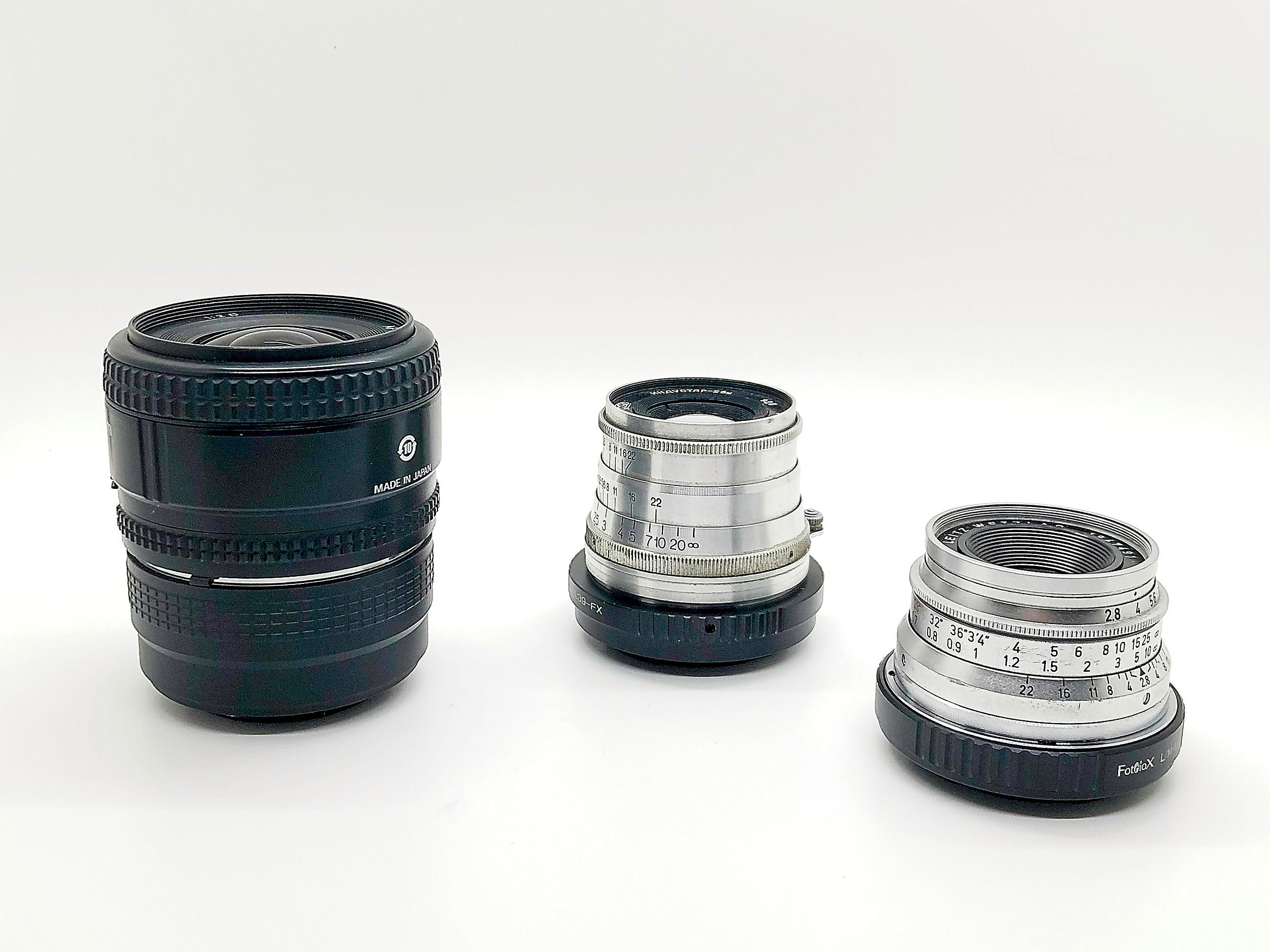
For these instances, I have several third-party lenses available that can either be directly used on the Fujifilm X-Pro 1 or by using an adapter:
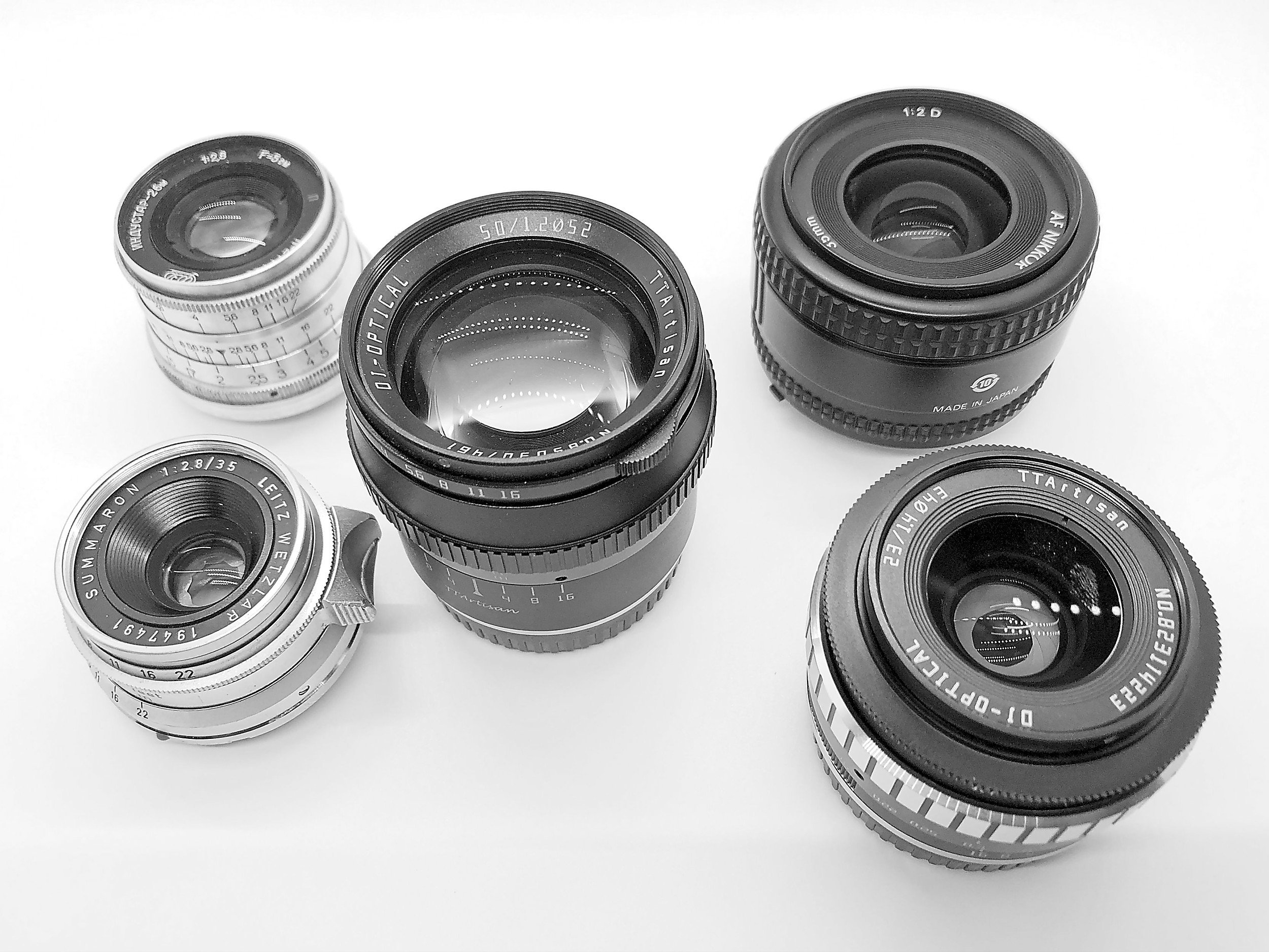
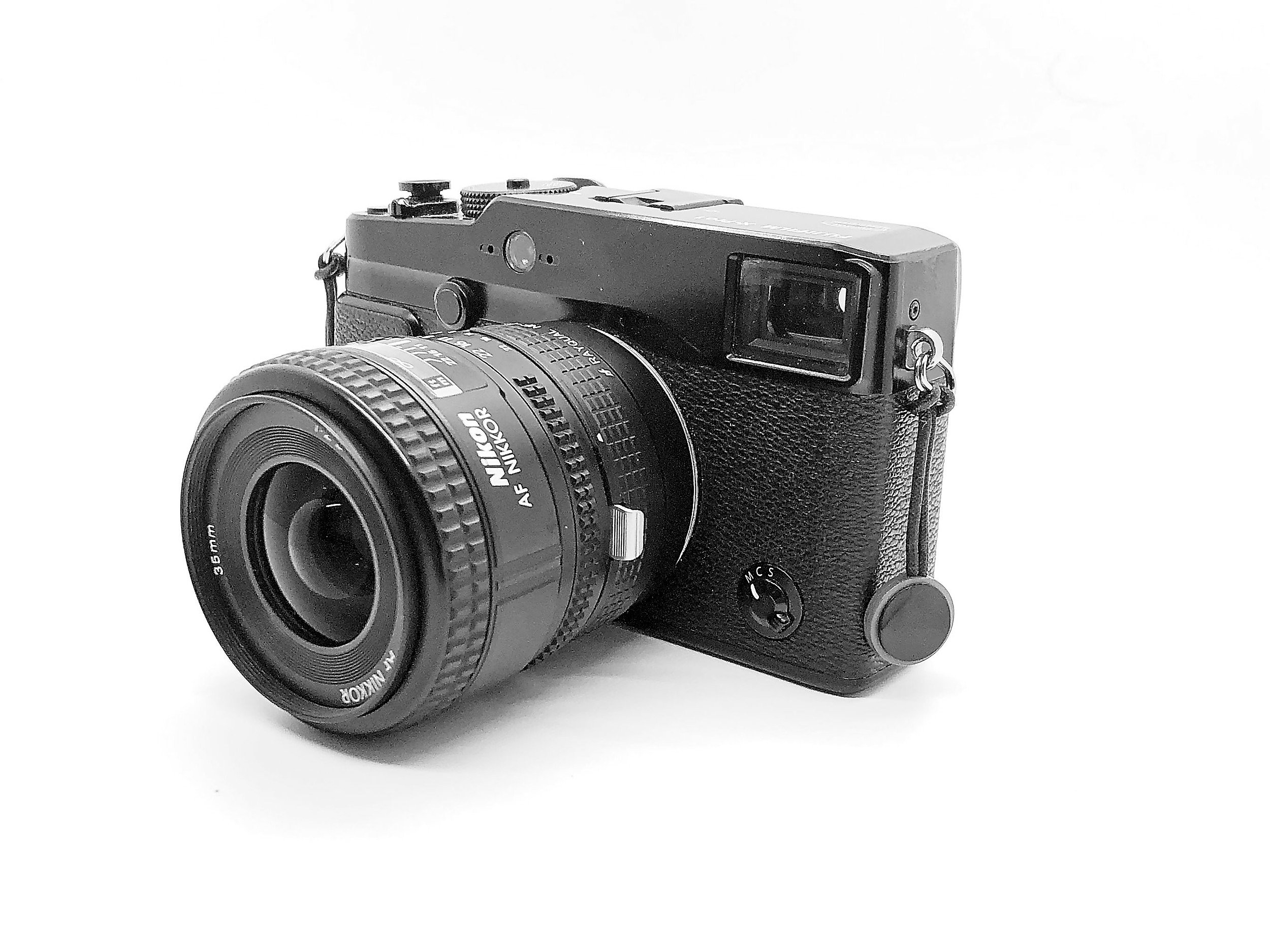
An AF Nikkor 35mm f/2.0D, which is a remains from my Nikon days
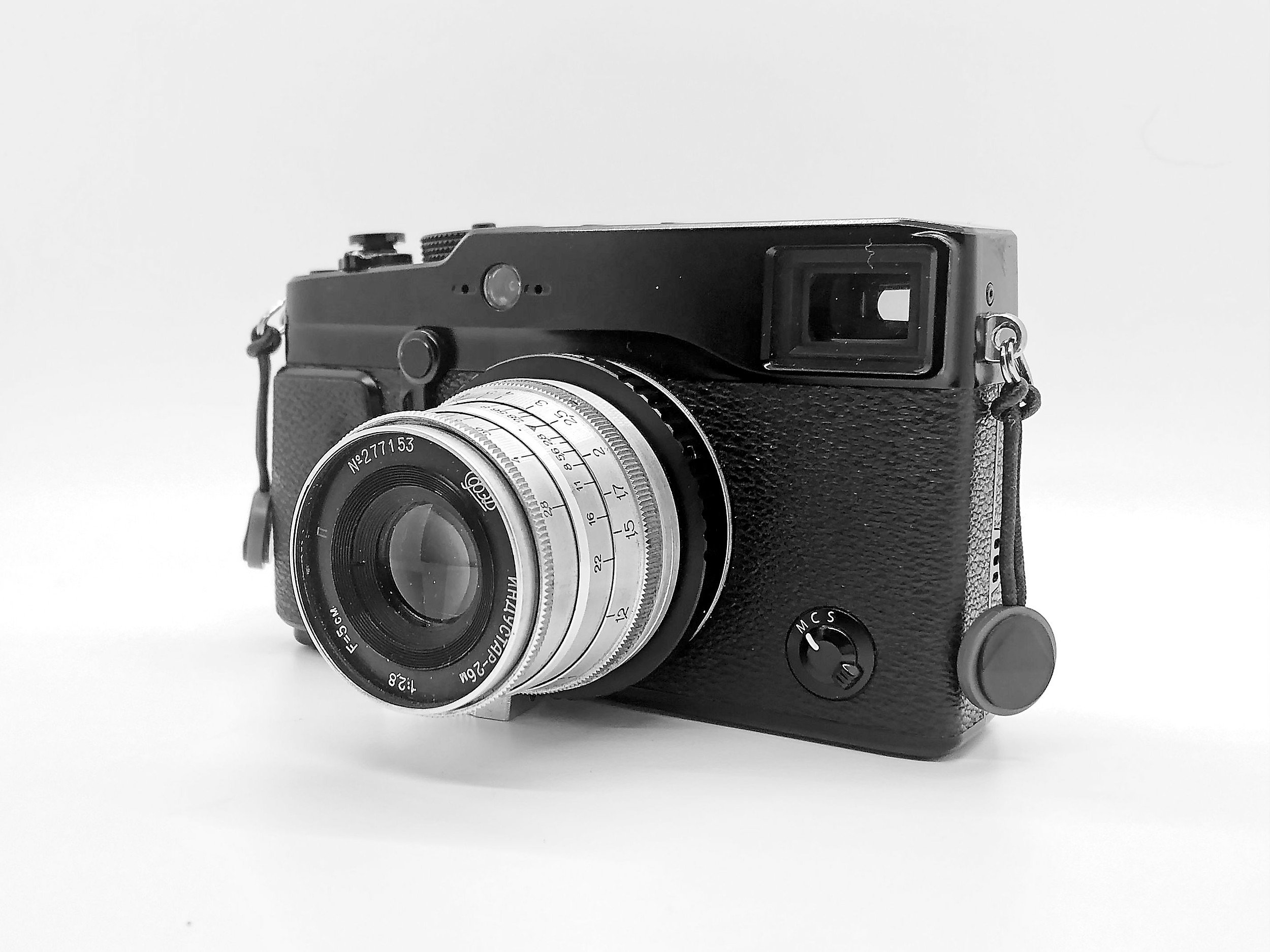
An Industar 26M 50mm f/2.8, which usually lives on the FED-2
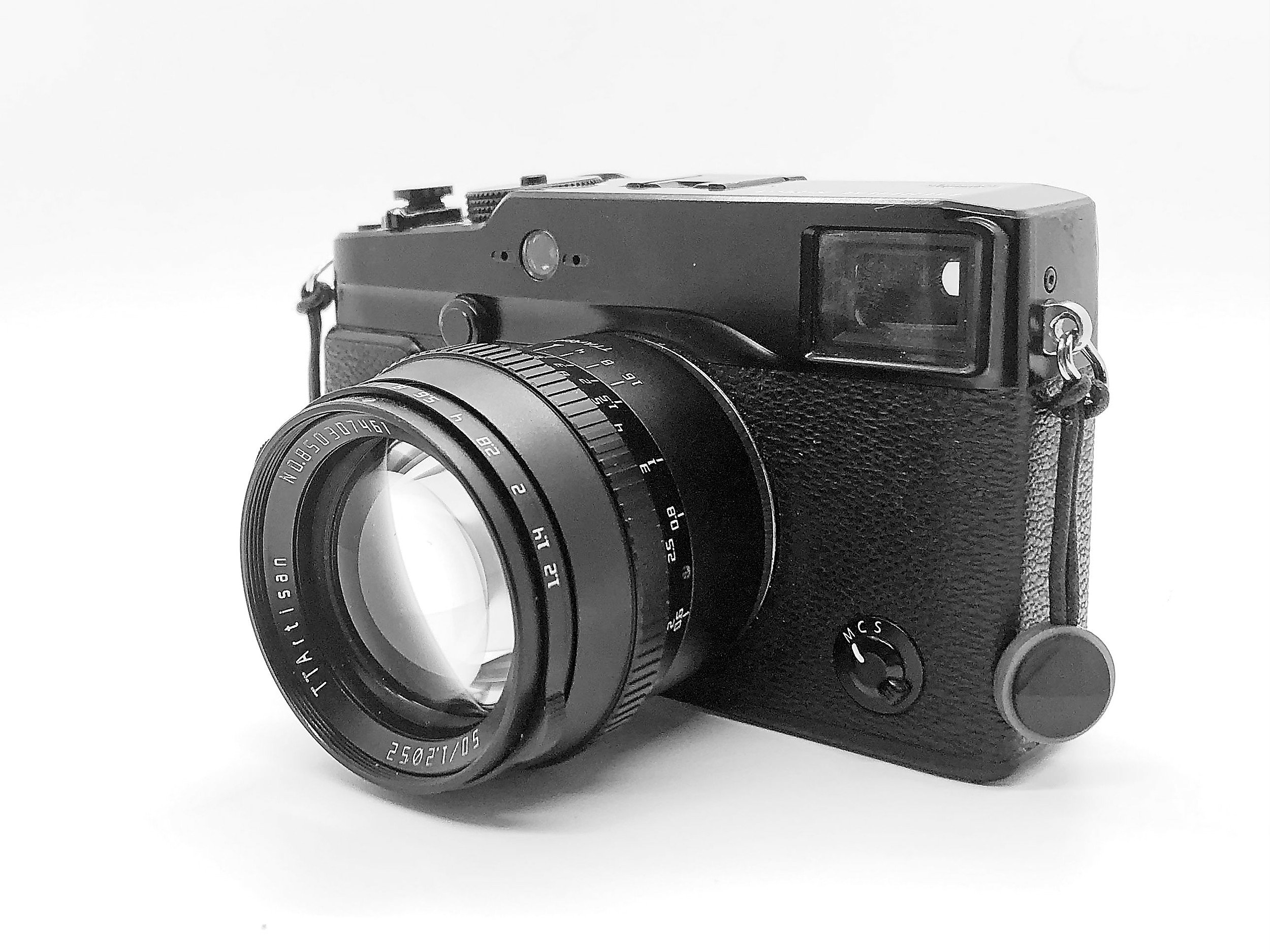
A TTArtisan 50mm f/1.2, with x-mount
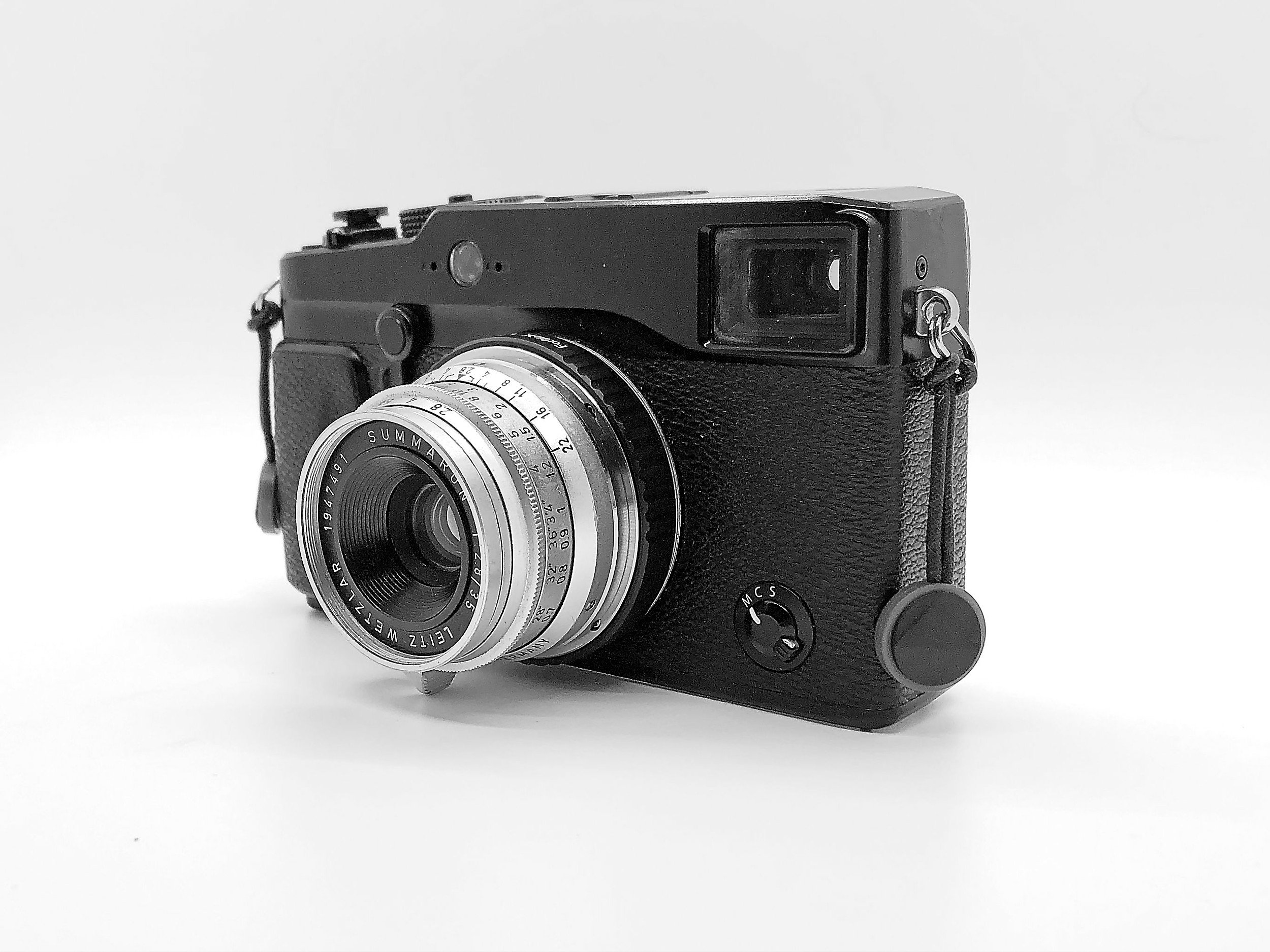
And, of course, the Summaron 35mm f/2.8 from the M4
The x-mount TTArtisan goes directly on the X-Pro 1; I have specific adapters for the Nikkor, the Industar, and the Summaron.

Why Is A Depth-of-field Scale Important
As mentioned above, the depth-of-field scale is the main reason to use third-party lenses on a Fujifilm x-series camera.
This is important because it lets me use the zone and hyperfocal focusing techniques, allowing for extremely quick image-taking in the streets.
While all third-party lenses I have are either fully manual or only work as manual lenses on the X-Pro 1, zone-focusing with these lenses is quicker than autofocusing with Fujinon lenses!
If you don't know what zone-focusing is, you can read more about it in an article about zone-focusing with a Fujifilm x-series camera I published a while ago. In that article, you also can read how to zone-focus with x-series cameras when using lenses without depth-of-field scales (such as the fixed lens of the Fujifilm X100F).
How To Use Third-Party Lenses On A Fujifilm X-Series Camera
Since my third-party lenses only can be used as manual-focusing ones, I need to adjust several settings of the X-Pro 1.
First, set SHOOT WITHOUT LENS to 'ON' in Shooting Menu #3.
This allows for taking images without a Fujinon lens mounted.

Secondly, you can adjust the MOUNT ADAPTOR SETTING in Shooting Menu #3 to reflect the focal length of the lens you will be using. Note that this will not help or impact the actual use of the lens. This setting only registers the focal length of the lens you are using, which is then captured in the image's EXIF data.

Lastly, in Shooting Menu #5, I recommend setting MF ASSIST to PEAK. This will help get the correct focus using the Electronic View Finder (EVF). Focus peaking settings on the earlier x-series cameras, such as the X-Pro 1, are limited. The newer x-series cameras, however, have more extensive possibilities.

Notably, when zone-focusing with these manual lenses, I do not even have to use focus peaking and can actually use the Optical View Finder (OVF) of the X-Pro 1. However, especially with wider angle lenses, of course, I then need to be aware of possible parallax errors.
Should You Buy A Fujifilm X100F?
Is the X100F still a camera to get, now that the X100V is available?
While I was transferring some images I took with my Fujifilm X100F to my laptop, I wondered if people are still interested in this…

Is the X100F still a camera to get, now that the X100V is available?
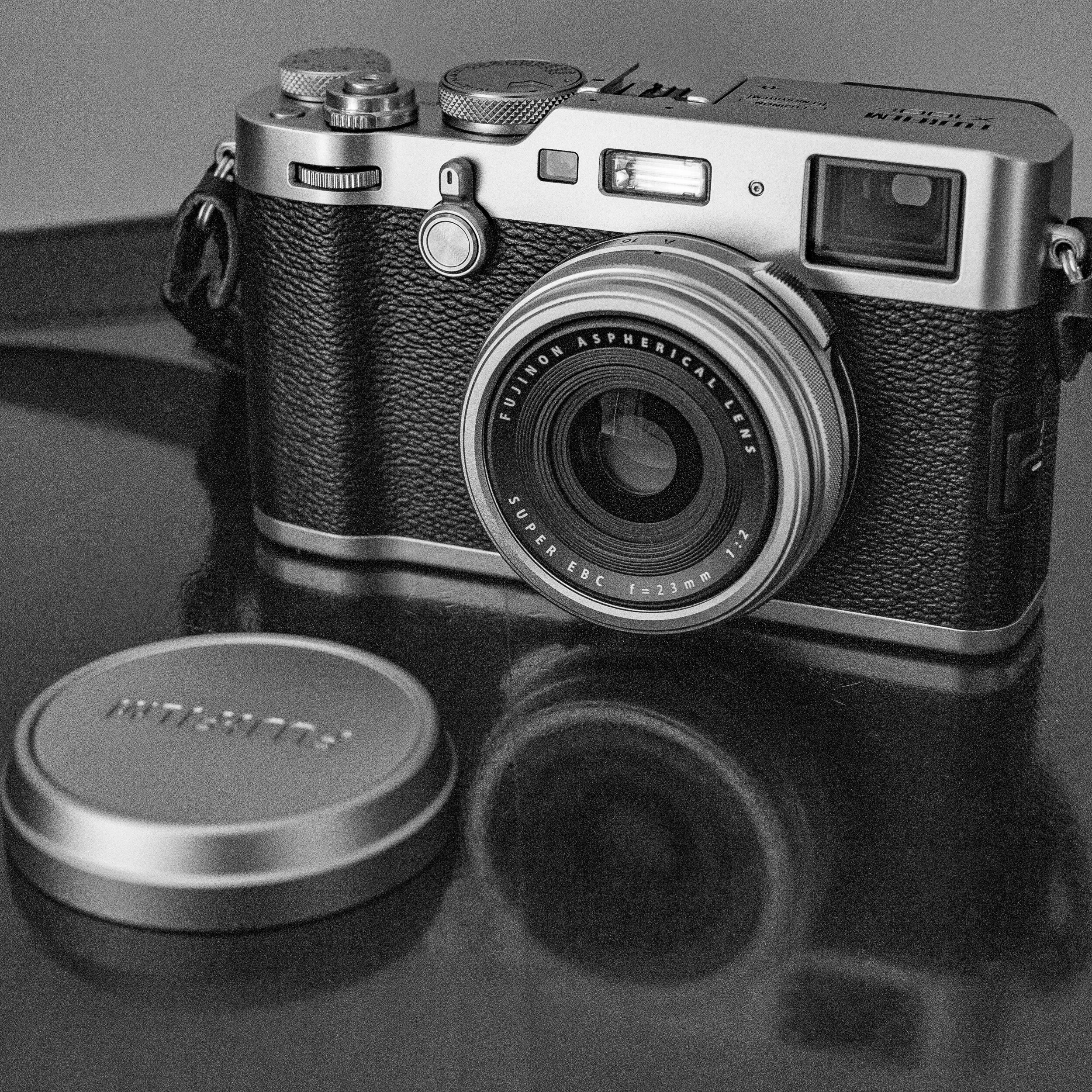
While I was transferring some images I took with my Fujifilm X100F to my laptop, I wondered if people are still interested in this camera. And if anyone would buy this camera now that a newer and updated version is available.
Although I didn't check any statistics regarding camera sales, a good indicator might be the traffic my X100F related posts are getting.
My posts about the Fujifilm X100F continue to be among the most popular on my blog; many people are still very interested in this camera and what it can do. And I have to admit: it is a versatile camera with a lot of punch, packed in a beautifully small package.
Check the articles out for yourself:
A NEW LOCATION, A NEW X
South Africa With The Fujifilm X100F
Although this fourth iteration of Fujifilm's X100 camera is already a couple of years on the market, it still is a great camera that still ticks all the boxes:
it has a reasonably compact body (slightly smaller than the X-Pro cameras, and the pancake-like lens makes a difference);
it has the OVF/EVF combo (and some more);
it has Fujifilm's magic sensor, with excellent film simulation modes (including the famous Acros black and white film simulation);
it is a tremendously unobtrusive camera for street and documentary photography.
FURTHER EXPLORING THE FUJIFILM X100F
Exploring The Film Simulation Modes Of The X100F
Although I am not a proponent of just copy-pasting presets, the results from the presets developed by Ritchie Roesch have me wanting to experiment more with presets. Maybe tweaking them a bit more, perhaps experimenting with some other film simulations.
TAKING THE FUJIFILM X100F TO NEW YORK
New York City And The X100F With Film Simulation Settings
My first real experience with the X100F came when I had to go to New York for a visa application, and my schedule left me with plenty of time to explore the city and put my Fujifilm X100F to work. Shooting the streets of NYC provided an excellent opportunity to use some of the presets I discussed in my previous article: Acros Push Processed, CineStill800T, Velvia, and Agfacolor.
FUJIFILM X100F PRESETS EXPERIMENTATION: IT'S A WRAP
What I Learned From Using Film Simulations And In-Camera Presets With The Fujifilm X100F
The main points I learned from using film simulation presets were:
Understanding how these settings impact the RAW file and produce the straight out of camera JPEGs
Understanding how other camera settings affect these settings and the final JPEGs
Knowledge how to tweak or built my film simulation settings
HOW TO ZONE-FOCUS WITH A FUJIFILM X-SERIES CAMERA
Zone Focusing With The Fujifilm X100F
This article explained how to set up the X100F for zone focusing.
By zone-focusing the camera prior to looking for images, I can save the time I otherwise would need to focus. I just bring my camera to my eye and press the shutter release button. I would not even need to look through the viewfinder: from my experience with the camera, I know what will be in the frame by looking just over de camera or even shooting from the hip.
TAKING THE X100F TO MADRID
Street Photography With The Fujifilm X100F In Madrid
During a trip to Madrid, Spain, I took the trinity with me with the intent to shoot some street photography.
The Fujifilm X100F was, according to plan, used during night time.
In Conclusion
I still love my X100F, and with the old and reliable X-Pro1 and the Leica M4, it forms my ideal camera trinity.
The traffic to my blog posts about this camera indicates that people still are interested in this version of the X100 series.
But of course, if the cost difference today between the X100F and X100V is only $100...
Should you get the X100V if this is your first X100 camera? Absolutely! Should you upgrade to the X100V from an X100F? I don't think the money you will lose selling the older camera is worth it.